
Last updated October 16, 2026
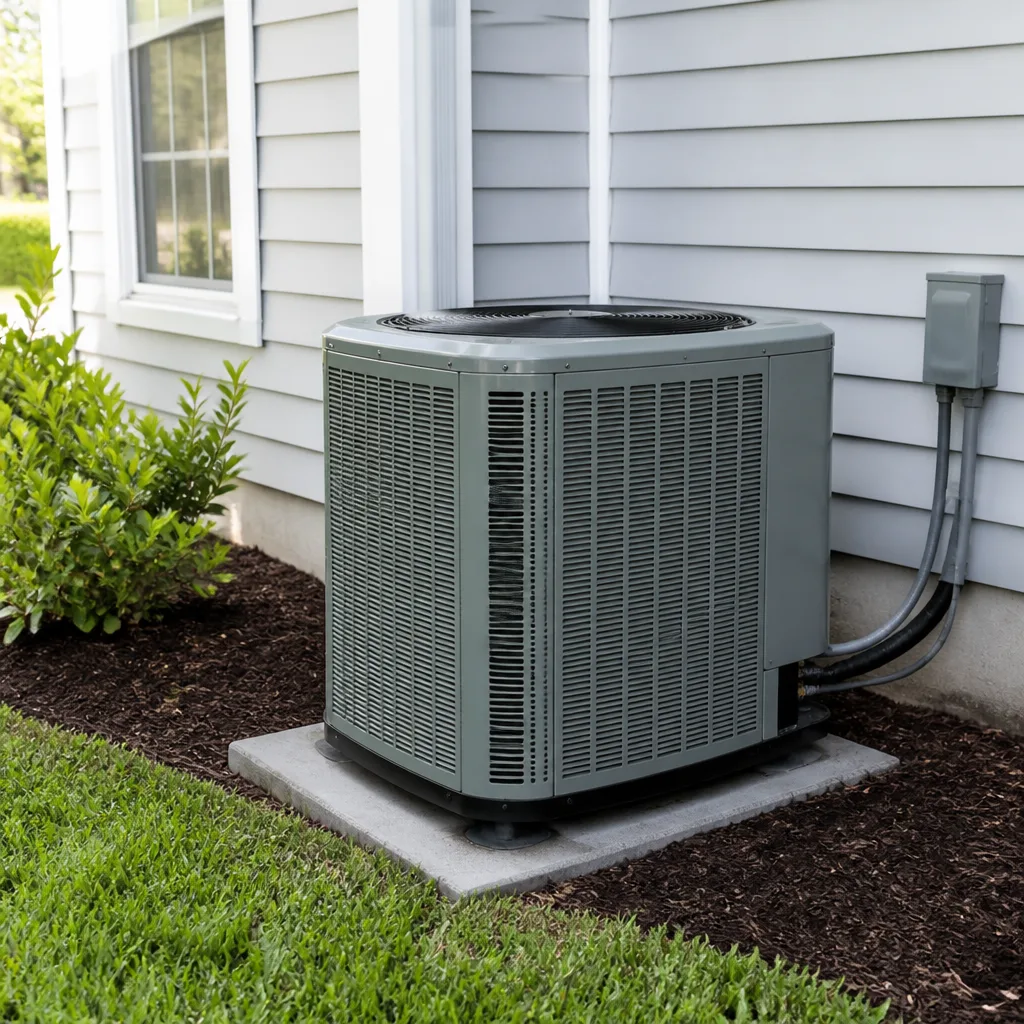 AC repair
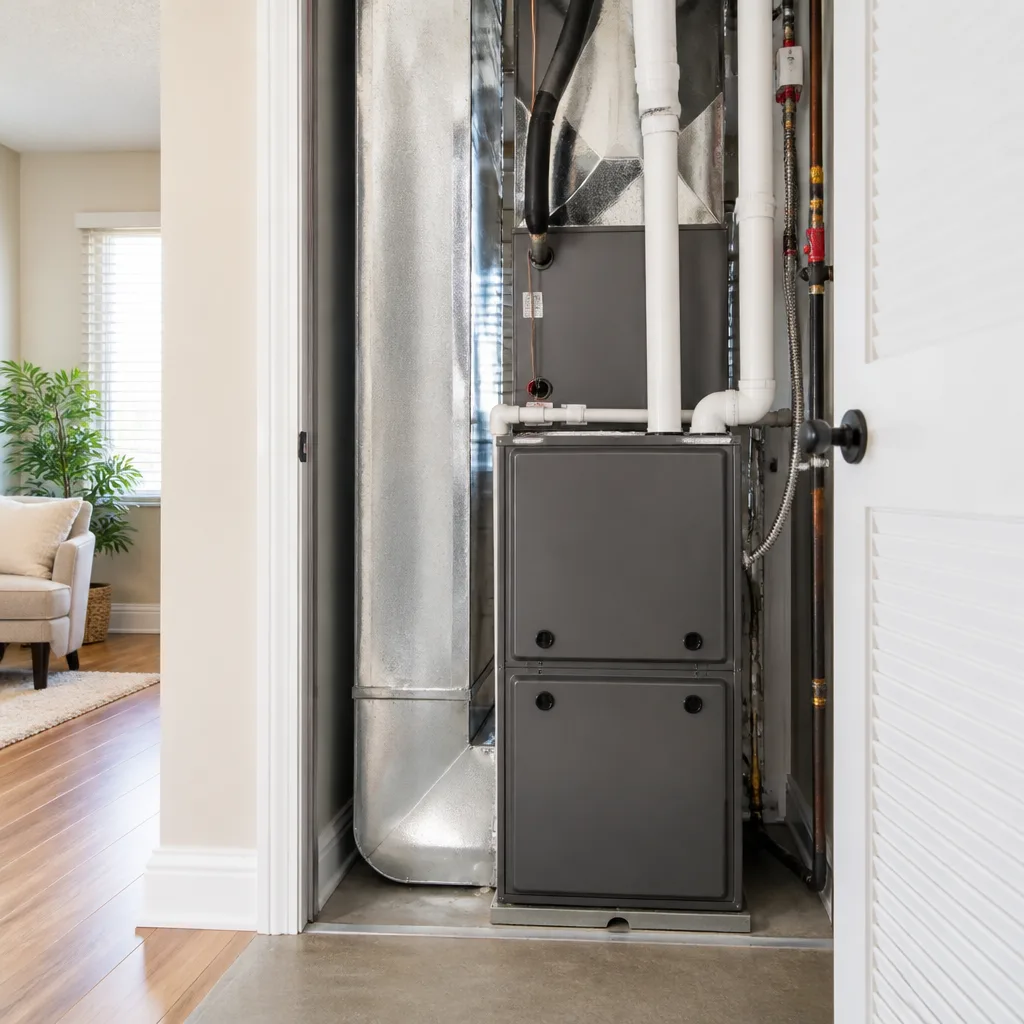 Furnace & heating
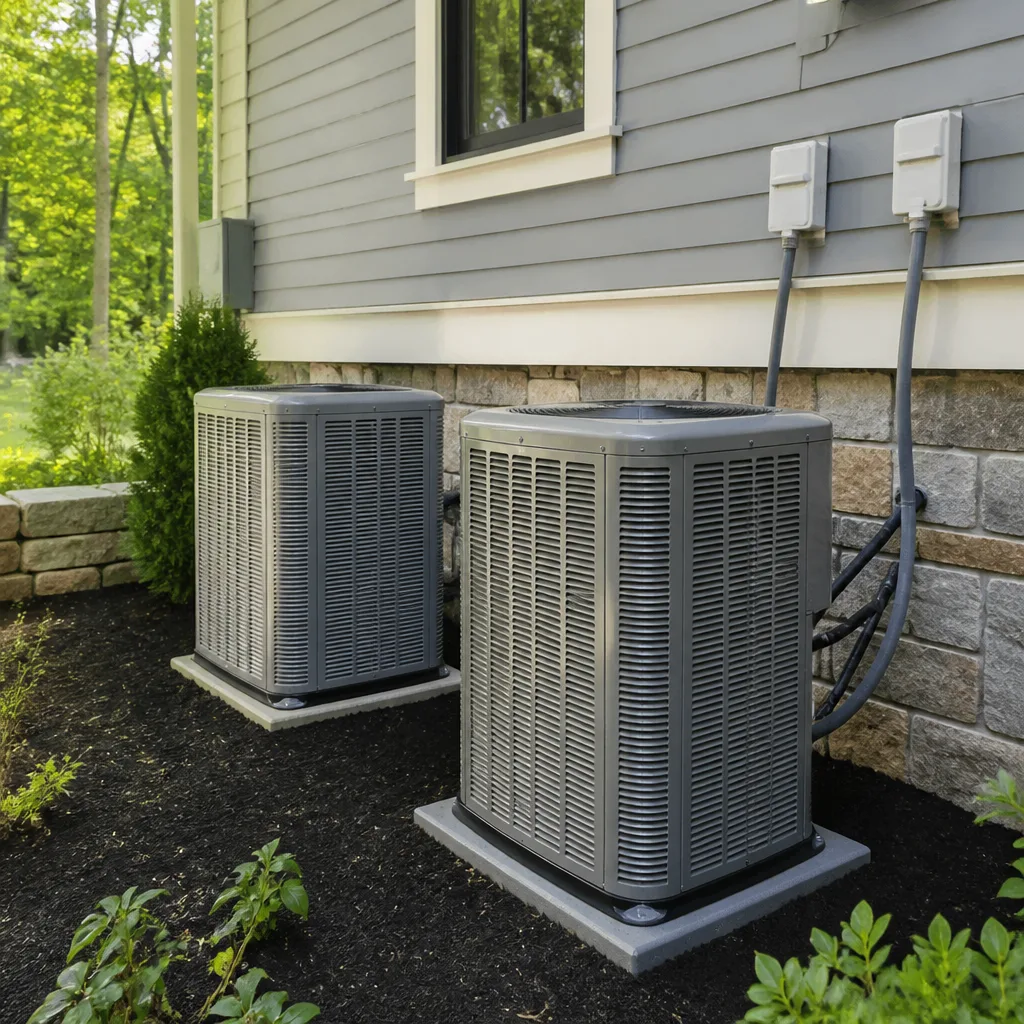 Heat pumps
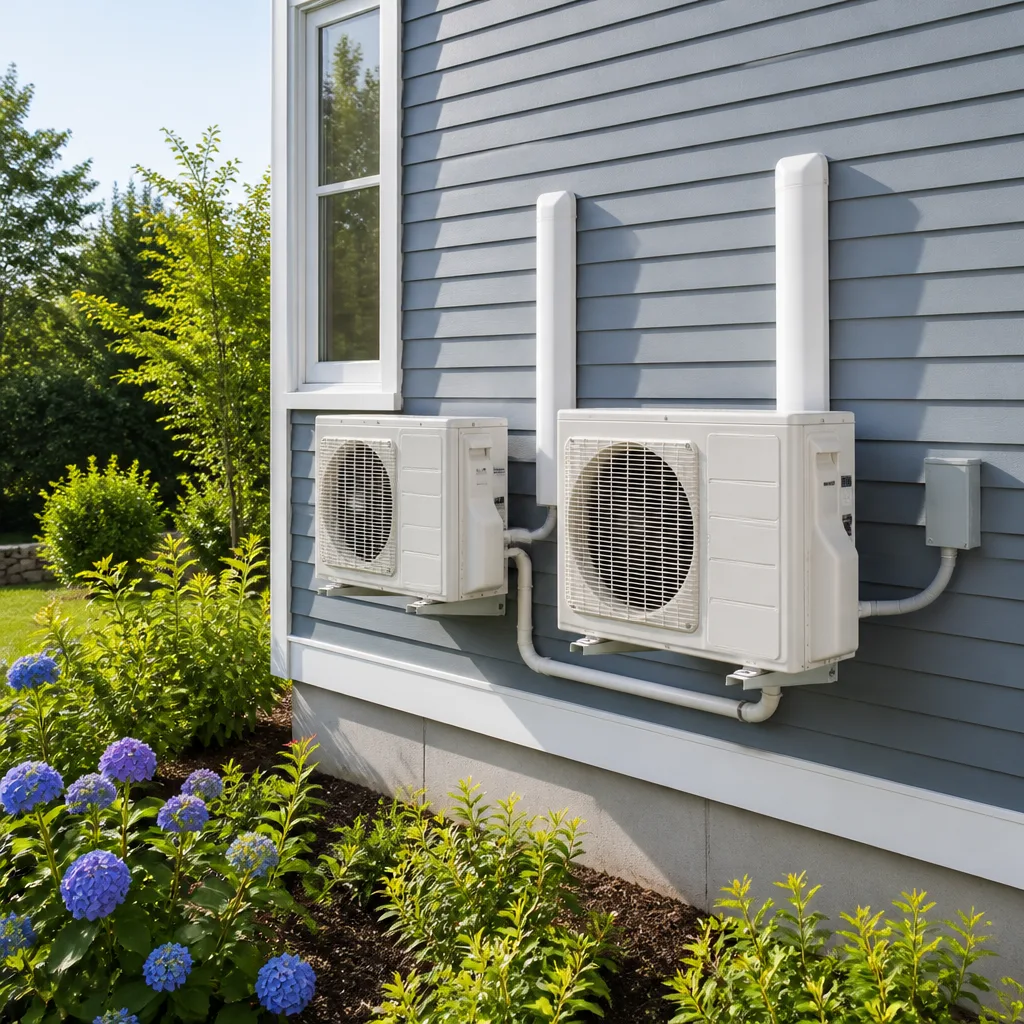 Ductless mini splits
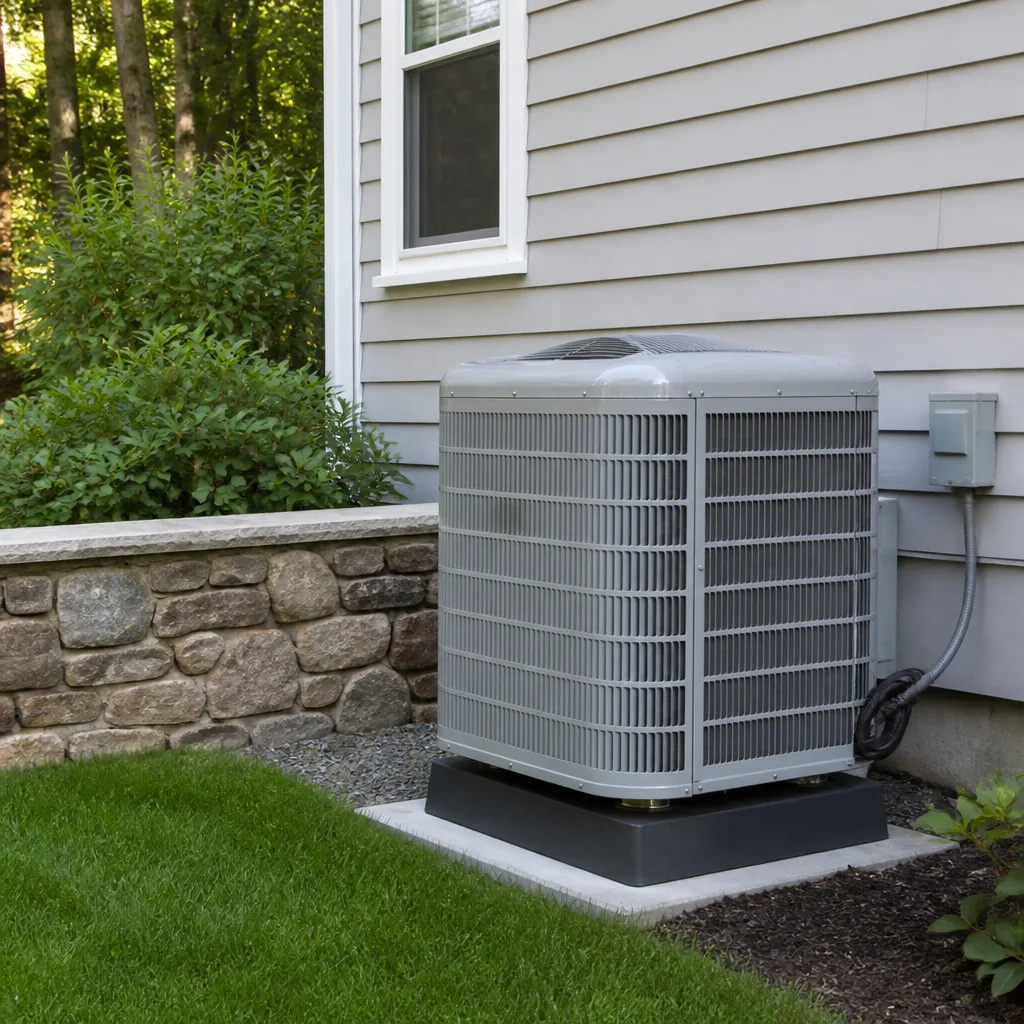 Carrier
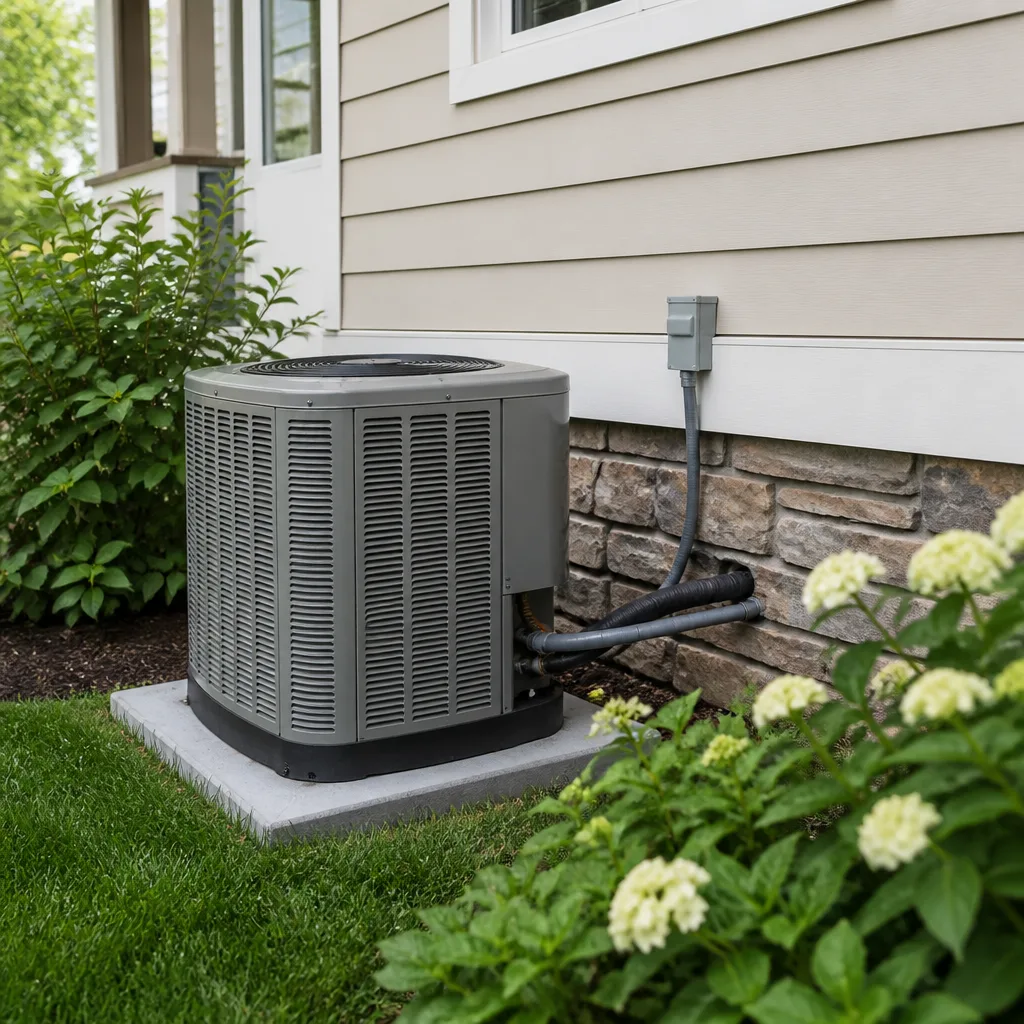 Trane
Trane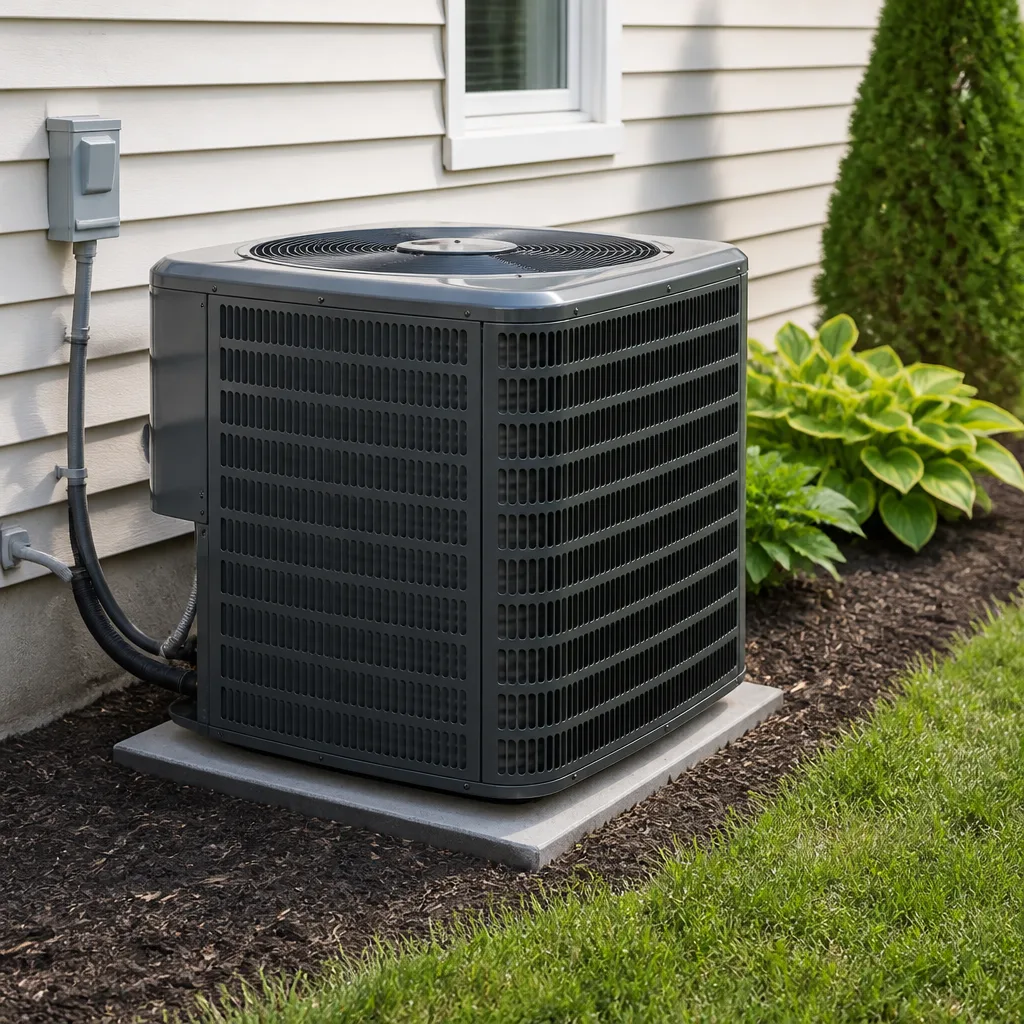 Goodman
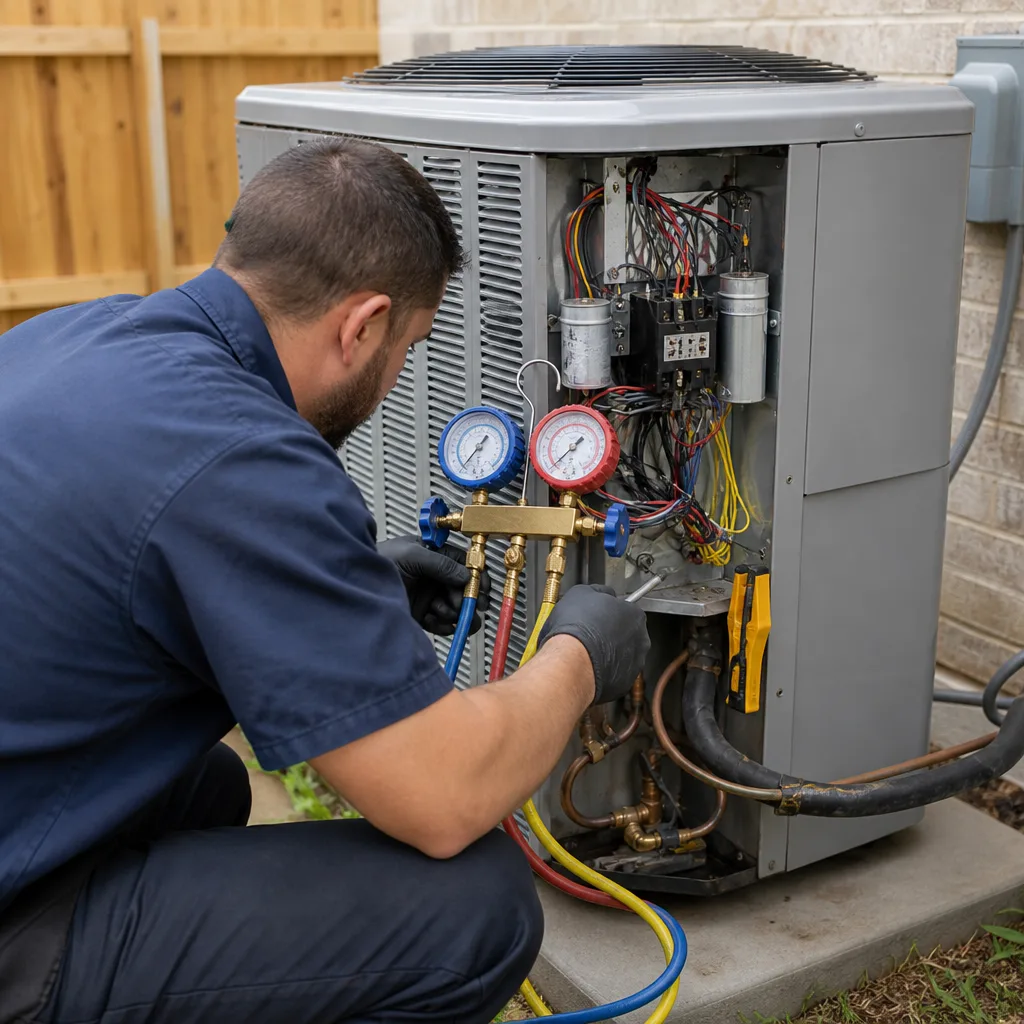
Seasonal tune-up and full diagnostic on your Carrier, Trane, or Goodman system - readings shown to you before any repair is proposed
Diagnosis first, numbers second - you approve the repair price before a single part goes in.
Get your free estimateThe Complete Guide to HVAC in Houston
Houston averages more than 100 days a year above 90°F and a dew point that regularly sits above 70°F. That combination puts a residential HVAC system under stress that equipment specifications written for national averages simply do not anticipate. The result is that generic sizing advice, off-the-shelf installation habits, and maintenance schedules designed for milder climates all fail earlier here. This guide treats Houston’s weather as the engineering constraint it actually is, so you can make decisions about repair, replacement, and upkeep with facts instead of salesmanship.
Styles & brands we work with
Quick Answer
HVAC in Houston means choosing equipment sized by a proper Manual J load calculation, rated for both sensible and latent heat removal in high humidity, and maintained on a schedule that assumes roughly 2,000 to 2,500 annual cooling hours. Repair costs for most residential systems in Houston run from $150 to $450 for common part failures, while full system replacement typically ranges from $8,000 to $16,000 depending on equipment efficiency, ductwork condition, and refrigerant type; see our HVAC Cost Breakdown: The Houston Homeowner’s Reference for 2026 for a detailed analysis. The single most expensive mistake Houston homeowners make is accepting an oversized unit, which cools the air quickly but leaves it humid, short-cycles components, and shortens equipment life.
Table of Contents
- Why Houston’s Climate Is a Mechanical Problem, Not Just a Comfort Problem
- Manual J Load Calculations: The Sizing Step Most Cheap Bids Skip
- Humidity, SEER2, and Latent Heat: What Efficiency Ratings Actually Mean in Houston
- R-410A vs. R-454B: The Refrigerant Transition Houston Buyers Need to Understand
- Clay Soil, Slab Shifts, and Duct Damage: Houston’s Hidden Failure Mode
- What a Full-Year Written Repair Guarantee Covers That a 90-Day Parts Warranty Does Not
- Repair or Replace: Houston’s Decision Math
- Common Mistakes to Avoid
- When to Call a Professional
- Frequently Asked Questions
- The Bottom Line
Why Houston’s Climate Is a Mechanical Problem, Not Just a Comfort Problem
Houston’s weather numbers are worth taking seriously because they translate directly into wear on your equipment. The city sees an average annual cooling load that ranks among the highest in the United States, driven by a combination of high temperature, high humidity, and a long cooling season that stretches from April through October and frequently into November. The National Weather Service climate data for Houston shows normal summer highs in the mid-90s, with overnight lows often staying above 78°F for weeks at a time. That overnight floor matters: a system that never gets a nighttime break runs roughly 60% more hours per year than the same unit in a city like Denver or Kansas City.
Humidity compounds the problem. Houston’s coastal proximity keeps dew points in the 70s for much of the summer. Dew point is the temperature at which air becomes saturated, and when that number is high, an air conditioner must pull moisture out of the air before it can meaningfully lower temperature. A system that handles 95°F in Las Vegas with ease will struggle in Houston at 92°F because it is doing two jobs at once: removing sensible heat, which is the temperature you feel, and latent heat, which is the moisture you feel as stickiness. Equipment that is not designed or maintained for that dual workload will run longer, wear faster, and produce a house that feels clammy even when the thermostat reads 72°F.
For Houston homeowners, this means equipment selection and maintenance schedules need to be more demanding than what a national home-improvement article would suggest. Spring and fall maintenance calls are not optional extras here. They are the difference between a system that lasts 12 to 15 years and one that fails at year 8 from a refrigerant leak or compressor burnout that nobody caught early.
Manual J Load Calculations: The Sizing Step Most Cheap Bids Skip
A Manual J load calculation is a room-by-room analysis of how much heating and cooling a house actually requires. It accounts for square footage, ceiling height, insulation levels, window area and orientation, air leakage, the number of occupants, and the local climate data specific to the Houston area. The output is a precise load in BTUs, which determines the correct equipment size. There is no shortcut that produces the same accuracy, and no rule of thumb that substitutes for it.
In Houston, Manual J matters more than in nearly any other U.S. city because the margin for error is so thin. An undersized unit will never reach set point on a 98°F August afternoon, running continuously and still leaving the house five degrees warm. That failure is obvious. The more common and more expensive mistake is oversizing. A contractor who skips the calculation and guesses a 4-ton unit when the house needs 3 tons has just created a system that cools the air quickly and shuts off before it has run long enough to dehumidify. The homeowner ends up with a cold, damp house, mold risk in walls and ductwork, uneven room temperatures, and a compressor that short-cycles itself to an early death. Short-cycling is the term for an air conditioner turning on and off too frequently, and in Houston’s humidity it is the direct consequence of units that are too large.
We include a Manual J calculation on every full system replacement we quote at Dalton Heating & Air Houston. It is not an upgrade or an add-on fee. If a contractor cannot show you the calculation, walk away from the quote. The math is specific to your address, your windows, your shade, and Houston’s design temperature of 95°F dry bulb and 80°F wet bulb. Anything less specific is a guess.
Humidity, SEER2, and Latent Heat: What Efficiency Ratings Actually Mean in Houston
SEER2 is the current federal efficiency standard for air conditioners, updated in 2023 to better reflect real-world operating conditions. The minimum for new equipment in Texas under federal rules is 14.3 SEER2 for air conditioners, but that number tells you only about total energy efficiency. It does not tell you how well the unit removes moisture. For Houston buyers, moisture removal is the specification that determines whether 74°F feels comfortable or feels like a locker room.
The metric that matters for humidity control is latent heat removal, sometimes called latent capacity. Latent heat is the energy tied up in water vapor, and an air conditioner must condense that vapor onto its indoor coil before it can achieve any further cooling. Systems with higher sensible-to-total heat ratios move temperature well but move moisture poorly. A budget unit with a high sensible heat fraction will hit thermostat set point while leaving relative humidity above 60%, which is the threshold where dust mites multiply, wood floors cup, and people start feeling sticky. In Houston, you want equipment with a proven track record for latent removal in the 30 to 40% range under design conditions, not a unit that only wins on the SEER2 sticker.
Two-stage and variable-speed equipment has a real advantage here, not because it is more efficient on paper but because longer, slower run times pull more moisture out of the air. A single-stage unit runs at full blast or off. A variable-speed unit can run at 40% capacity for an hour on a mild day, stripping humidity continuously without overshooting the temperature. That difference is more meaningful in Houston than anywhere else in the state. Brands like American Standard and Carrier have strong variable-speed platforms, but the installation quality and the airflow setup determine whether that platform actually delivers the humidity control it is rated for.
The practical takeaway: when you are comparing quotes in Houston, ask each contractor for the model’s latent capacity at your design conditions, not just its SEER2 number. If the contractor looks confused, that is an answer in itself. For help vetting professionals, read our How to Hire a HVAC Contractor in Houston: A Step-by-Step Guide.
R-410A vs. R-454B: The Refrigerant Transition Houston Buyers Need to Understand
The HVAC industry is mid-transition on refrigerant. Starting in 2025, new residential air conditioners and heat pumps sold in the United States are being manufactured for R-454B or R-32, which are mildly flammable A2L refrigerants with significantly lower global warming potential than the R-410A used since the early 2000s. R-410A is not being banned from use, but production is being phased down, which means new R-410A equipment will become unavailable as manufacturer inventories sell through. Parts and refrigerant for existing R-410A systems will remain available for years, but the price of R-410A refrigerant is rising, and that directly affects repair costs for older systems.
For Houston homeowners, this changes the repair-versus-replace calculation in a specific way. A 12-year-old R-410A system with a refrigerant leak is now facing a recharge cost that is materially higher than it was three years ago. R-410A in the Houston market has risen from roughly $60 to $80 per pound at the wholesale level to more than double that in some supply chains, and that cost passes through to the homeowner on the invoice. A system that needs 6 pounds of refrigerant is now looking at a recharge cost that approaches a meaningful fraction of a new system’s cost, and unlike a compressor replacement, a recharge does nothing for the underlying leak.
New R-454B systems require different service equipment, different leak detectors, and technicians with specific factory training for A2L refrigerant handling. That is not a footnote. A technician who is not trained on R-454B cannot safely or legally service the equipment. When you are evaluating Heat Pump Installation in Houston or any new equipment quote, ask directly whether the installation crew carries current A2L certification. The question is simple, the answer should be immediate, and it tells you whether the company is actually prepared for the equipment it is selling.
Clay Soil, Slab Shifts, and Duct Damage: Houston’s Hidden Failure Mode
Houston sits on expansive clay soil, specifically Beaumont and Lake Charles series clays that shrink when dry and swell when wet. The city’s weather makes this a year-round problem: heavy spring and fall rains soak the soil, and long summer dry spells bake it. The result is continuous, uneven movement in the ground beneath slab foundations. Houston homeowners are familiar with the cosmetic consequences, like cracks in drywall and doors that stick. The HVAC consequences are less visible but equally real.
When a slab moves, two things happen to the mechanical systems attached to it. First, the copper refrigerant lines running from the outdoor condenser to the indoor evaporator coil get stressed. Over enough cycles of expansion and contraction, a brazed joint weakens and begins to leak refrigerant. This is one of the most common sources of slow, undiagnosed refrigerant loss in Houston homes, and it explains why some systems need a small top-off every spring without any obvious mechanical cause. Second, rigid or flex duct runs that were pulled tight at installation can tear at connection points, separating from supply or return plenums. A duct that pulls loose in a hot attic is now delivering conditioned air into unconditioned space, which drives up the electric bill while the system works harder to hold the thermostat.
No general HVAC guide written for a national audience discusses this failure mode, because it is rare outside Gulf Coast cities. In Houston, it should be part of your maintenance vocabulary. A technician who inspects duct connections, checks static pressure, and looks for signs of line-set strain during an annual tune-up is doing what Houston specifically requires. If your spring checkup consists of washing the condenser and changing a filter, it is not enough. If you need AC Repair in Houston because of a slow refrigerant loss or a duct separation, the repair should include identifying the underlying movement problem, not just topping off the system and hoping the leak stays slow.
What a Full-Year Written Repair Guarantee Covers That a 90-Day Parts Warranty Does Not
Most HVAC contractors offer a parts warranty, and many homeowners assume that is the same as a repair guarantee. It is not. A parts warranty covers the manufactured component, typically for 90 days, and it pays for the part only if you can prove the part itself failed due to a manufacturing defect. It does not cover the labor to diagnose or install the replacement, and it does not cover the system if the original repair was misdiagnosed or improperly performed. In practice, a homeowner whose blower motor fails 60 days after replacement gets a free motor and a bill for the second service call, and that is the best case.
A written repair guarantee covers the work, not just the part. At Dalton Heating & Air Houston, every repair comes with a written guarantee for a full year, and if the repair fails within that year, we return and make it right at no charge. Not all homeowners are comfortable with repairs, so we also publish a DIY vs Professional HVAC: The Houston Homeowner’s Decision Guide to help you decide. That is the 365-Day Done Right Promise, and it is in writing on every service invoice. The distinction matters more in Houston than in a city with a short cooling season, because Houston systems run year-round. A 90-day parts warranty is covering maybe three months of moderate use. A 365-day written guarantee covers a full summer, a fall shoulder season, a mild winter, and the first blast of spring humidity. If the repair has an underlying issue, that much runtime will expose it.
When you compare HVAC contractors, ask what exactly the warranty covers in writing. If the answer is a verbal “we guarantee our work,” ask for it on paper. If the paperwork shows a 90-day parts-only term, understand that you are carrying the labor risk yourself. Houston’s year-round load means the guarantee period actually gets exercised, which makes the length and written terms the most important line on the invoice.
Repair or Replace: Houston’s Decision Math
The repair-versus-replace decision in Houston follows a different arithmetic than the national rule of thumb. The common advice is to multiply the system’s age by the repair cost and replace if the product exceeds $5,000. Houston’s climate shifts that threshold for two reasons: systems here age faster because they run more, and the efficiency difference between a 12-year-old unit and a new one is worth real money when the AC runs 2,000 hours a year.
Here is the decision framework we walk Houston homeowners through:
- System age: At 10 to 12 years in Houston, most air conditioners are approaching the back half of their service life. A major repair at that age, like a compressor or evaporator coil, usually signals more failures coming.
- Repair cost as a fraction of replacement: If the repair is more than 40% of the installed cost of a new system, replacement is generally the better financial choice, especially with current financing and rebate programs.
- Refrigerant type: If the system runs on R-410A and needs a refrigerant repair, weigh the cost of the refrigerant against the remaining life of the unit. A $900 recharge on a 14-year-old system is hard to justify.
- Humidity performance: If the house is cold but clammy even when the unit is running, the equipment’s latent removal capacity has declined. New variable-speed equipment from Trane or Bryant will often solve a comfort problem that no repair can fix.
- Duct condition: If the slab movement has damaged multiple duct connections, a replacement project that includes duct repair is the only way to regain the system’s rated efficiency.
For Furnace Repair in Houston, the math is slightly different because furnaces run fewer hours and last longer, but the same principle applies: once the repair cost approaches 40% of replacement and the unit is past 15 years, the honest answer is usually replacement.
Common Mistakes to Avoid
- Skipping the Manual J: Accepting a quote based on square footage alone, or on matching the old system’s size, produces oversized equipment that short-cycles and fails early. Houston’s humidity turns this mistake into a mold and comfort problem within the first summer.
- Buying on SEER2 alone: A high SEER2 number with poor latent heat removal leaves a Houston home feeling sticky at any temperature. Ask for the latent capacity spec, not just the efficiency rating.
- Ignoring the refrigerant transition: R-410A refrigerant costs are rising as the phase-down takes effect, and repairs on older systems are becoming disproportionately expensive. Factor the transition into any repair-versus-replace decision.
- Treating maintenance as optional: In Houston, skipping a spring tune-up means entering the hottest months with dirty coils, reduced airflow, and a system running 20 to 30% less efficiently. The repair bill that follows is rarely less than the tune-up would have cost.
- Accepting a verbal warranty: If the guarantee is not in writing, it does not exist. A written full-year guarantee on repair work is the difference between paying once and paying twice for the same failure.
- Overlooking duct leaks: Houston’s clay soil and hot attics create more duct failures than nearly any other market. A duct inspection should be part of every service call, not an upsell.
- Choosing the lowest bid: A bid that skips the load calculation, uses undersized or mismatched equipment, and omits duct evaluation is not cheaper in year one, when the system fails to dehumidify and runs continuously. It is cheaper on paper only.
When to Call a Professional
Some problems are readable from symptoms and some are not, and the line is not where most homeowners think it is. A system that runs but does not cool below 78°F, a unit that short-cycles more than three times an hour, a compressor that buzzes on startup, a house that smells musty when the AC runs, or an electric bill that jumped 40% with no change in usage are all signs you need a trained technician with the tools to diagnose before replacing parts. A refrigerant leak, in particular, cannot be fixed by adding refrigerant; the leak must be found and repaired, and doing that safely requires EPA certification and leak detection equipment. Dalton Heating & Air Houston offers free estimates in Houston, and you can reach a live person any hour at (903) 494-7686. The Dalton Heating & Air Houston home page covers our service area and what a written-price service call includes.
Frequently Asked Questions
A full HVAC system replacement in Houston typically costs between $8,000 and $16,000 installed, depending on system size, efficiency tier, brand, and whether ductwork repair is included. A basic 14.3 SEER2 single-stage system for a 1,800-square-foot home generally runs $8,000 to $10,000, while a variable-speed, high-efficiency system from a brand like American Standard or Carrier runs $12,000 to $16,000. Call (903) 494-7686 for a written quote with a fixed price before any work starts.
Air conditioners in Houston last 10 to 15 years, which is shorter than the 15 to 20 years common in milder climates. The shorter life is caused by year-round runtime, high humidity loading, and the extra strain of removing latent heat during the long cooling season. Furnaces typically last 15 to 20 years in Houston because they run far fewer hours than the air conditioner.
There is no correct answer without a Manual J load calculation. The calculation accounts for square footage, ceiling height, insulation, window area and orientation, air leakage, and Houston’s design temperature of 95°F dry bulb and 80°F wet bulb. Any contractor who sizes a unit by square footage alone is guessing, and in Houston, the guess is usually one size too large.
High indoor humidity with a running AC usually indicates an oversized system that cools the air too quickly to remove moisture, a system with low latent heat removal capacity, or airflow problems caused by dirty coils or duct leaks. The fix requires diagnosis rather than a colder thermostat setting, and in many cases a proper Manual J-sized variable-speed system resolves the issue where a single-stage unit cannot.
Most common repairs, including capacitor failures, contactor replacements, and blower motor swaps, can be completed in a single visit when parts are on the truck. Larger repairs, like evaporator coil replacements or compressor changes, may require a second visit if the specific part must be ordered. Our Houston service area coverage means a technician is typically at your door the same day you call, and every repair price is in writing before work begins.
Yes, and the Houston climate makes it more valuable here than in most cities. A spring and fall preventive maintenance visit catches refrigerant leaks, worn capacitors, and duct separations before they become summer failures. The cost of two maintenance calls a year is roughly one-third to one-half the cost of a typical after-hours emergency repair call, and systems that receive regular maintenance last measurably longer in Houston’s heavy runtime environment.
The Bottom Line
Houston’s climate demands more from HVAC equipment than nearly any other market in the United States, and the difference between a system that lasts and one that fails early comes down to decisions made before installation and habits kept after it. Size the equipment with a Manual J calculation, buy for latent heat removal as well as SEER2, understand the R-410A to R-454B transition, and insist on a written full-year guarantee on every repair. Those four practices prevent the vast majority of Houston HVAC failures we see, and they are the standard every legitimate contractor should be able to meet without hesitation. Explore more guides & resources on our blog for year-round HVAC care.
Written by Marco Benitez, Owner at Dalton Heating & Air Houston, serving Houston since 2003.
See the difference
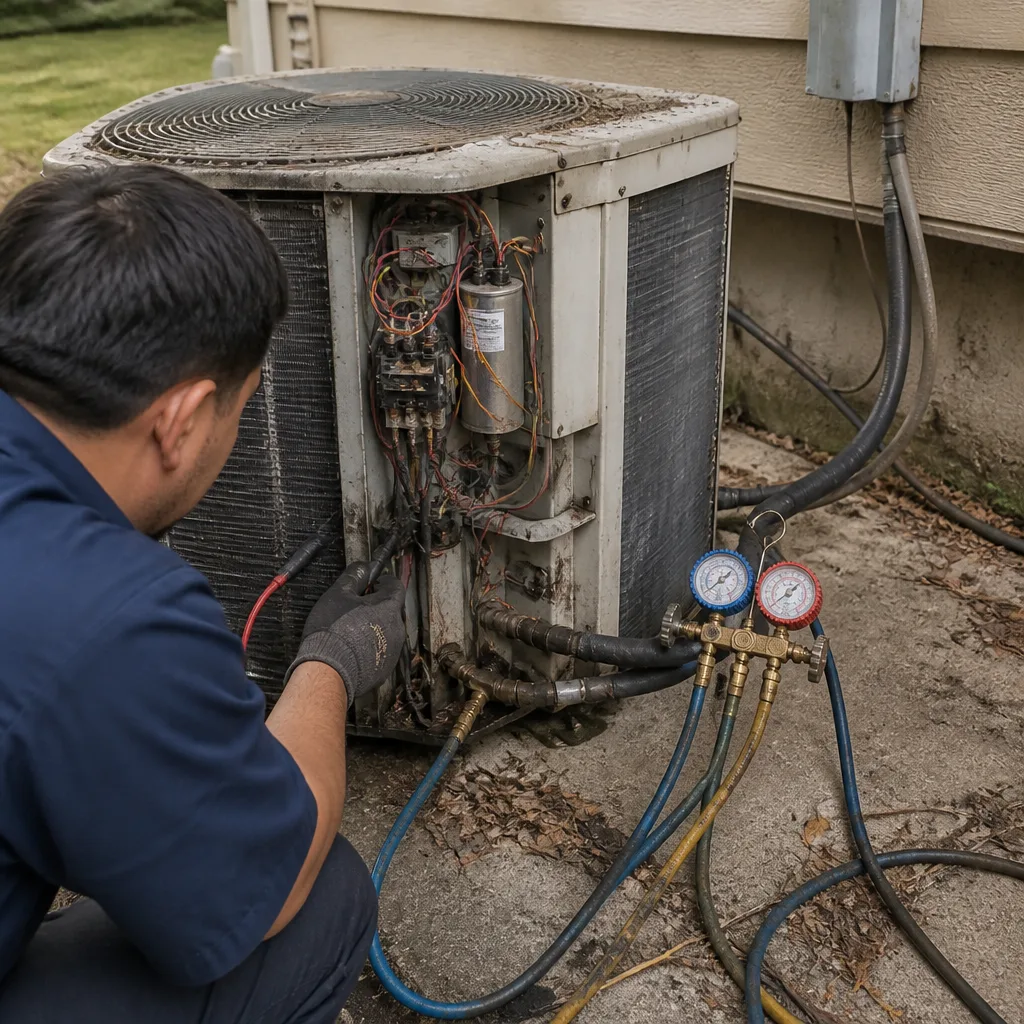 Before
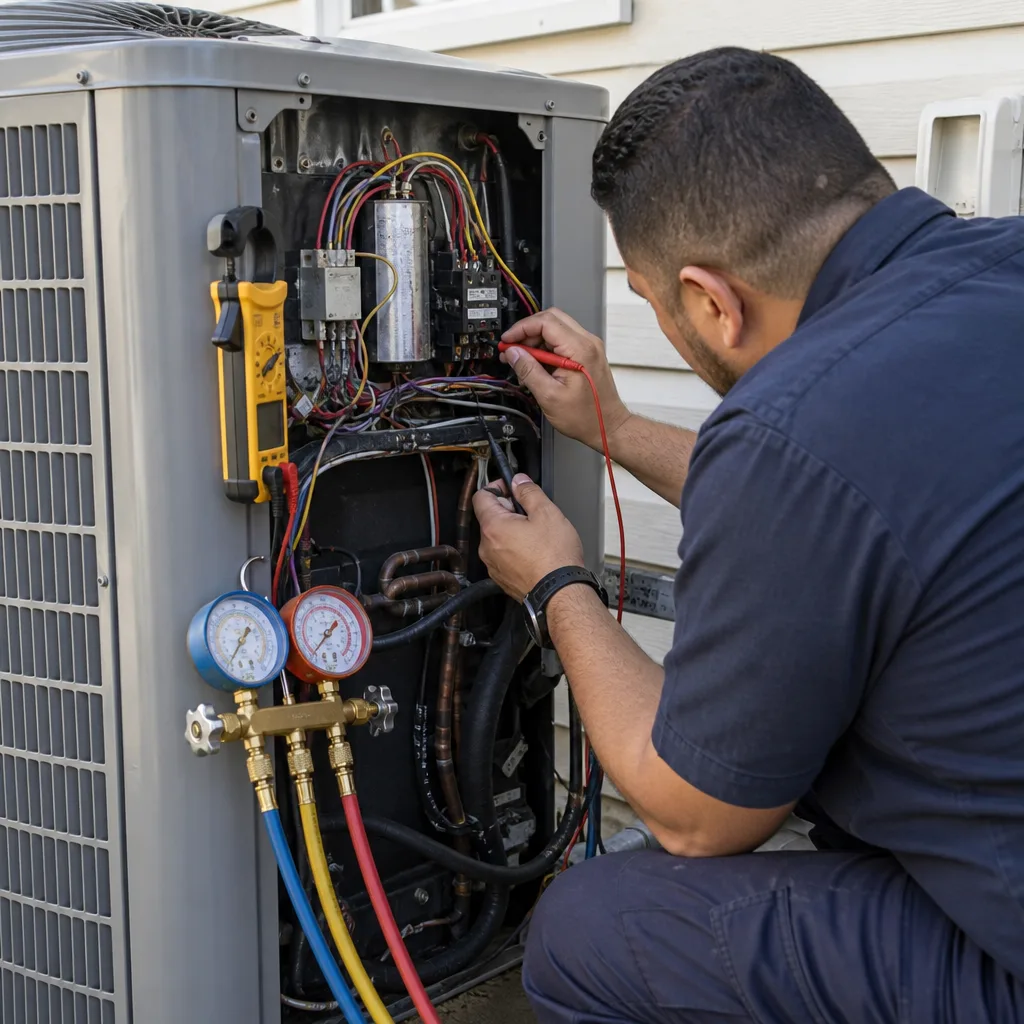 After
After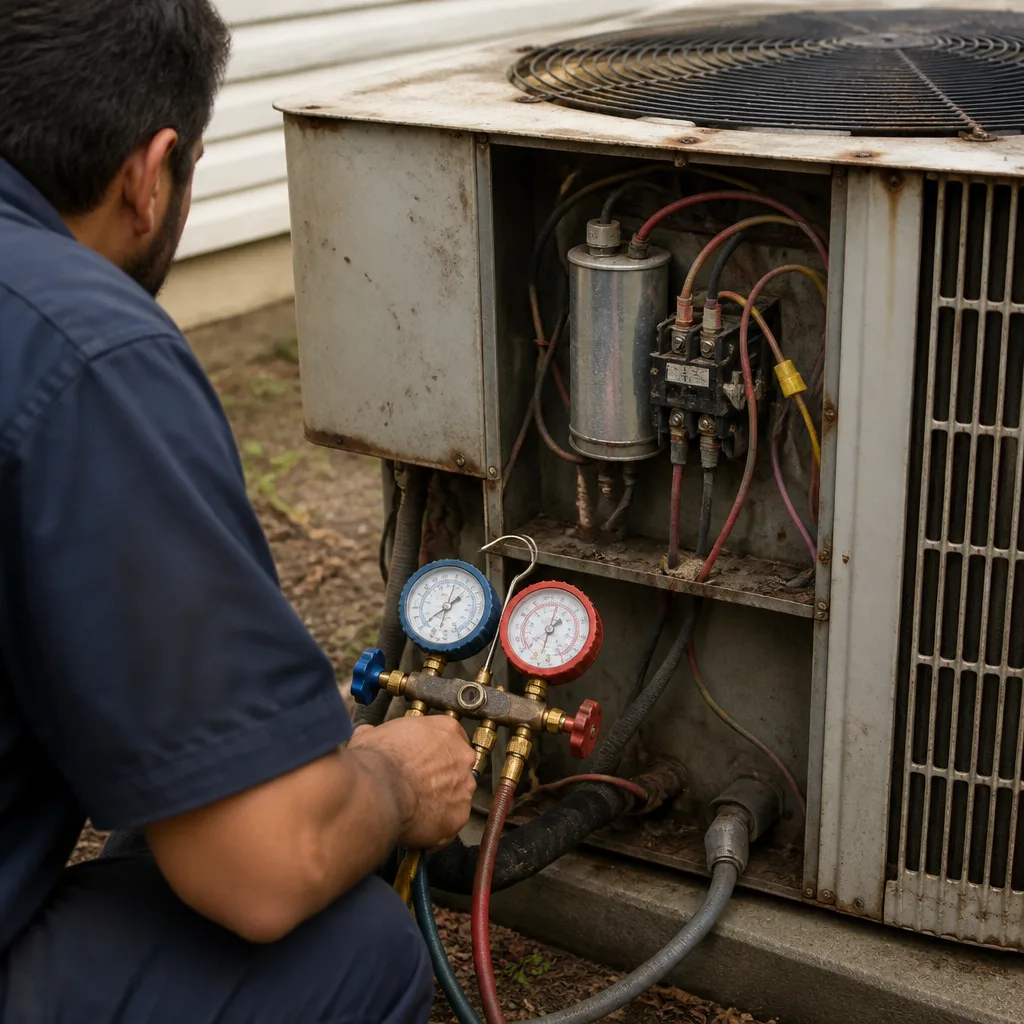 Before
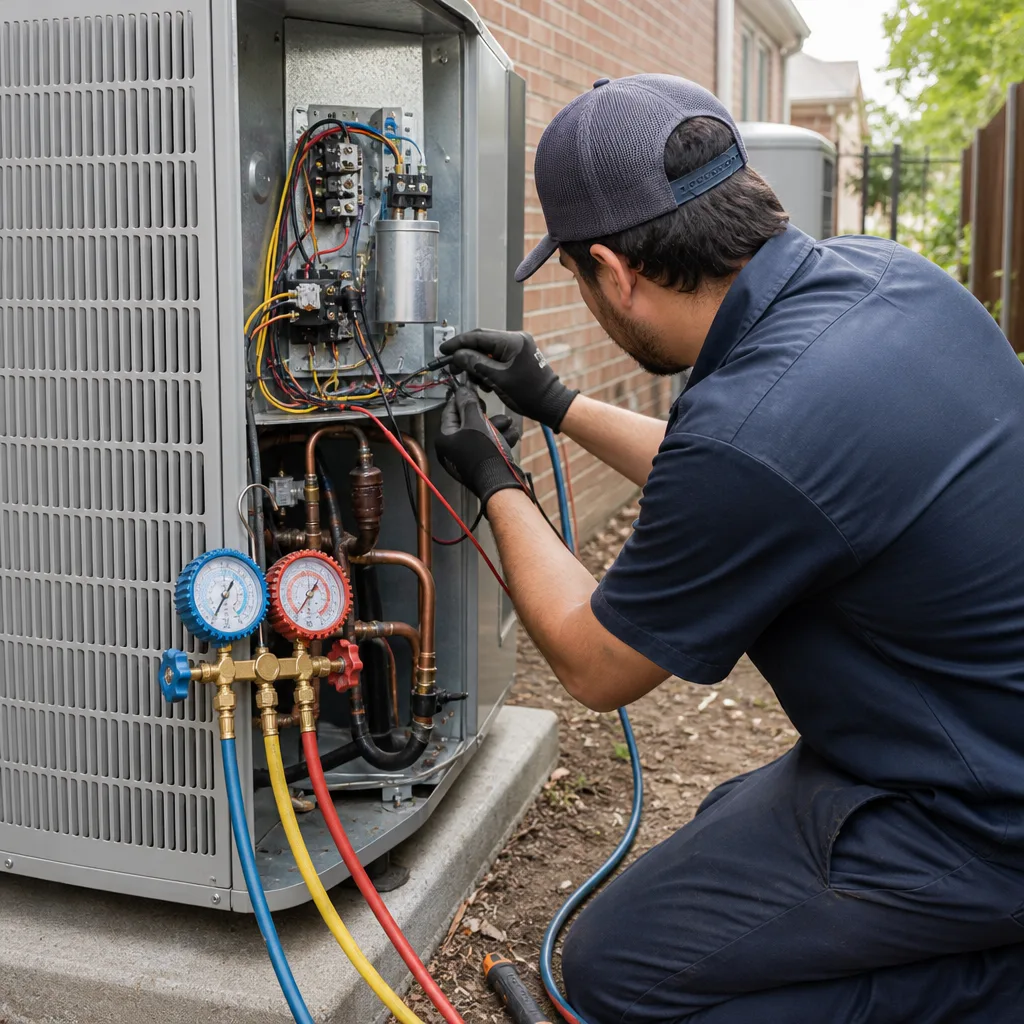 After
After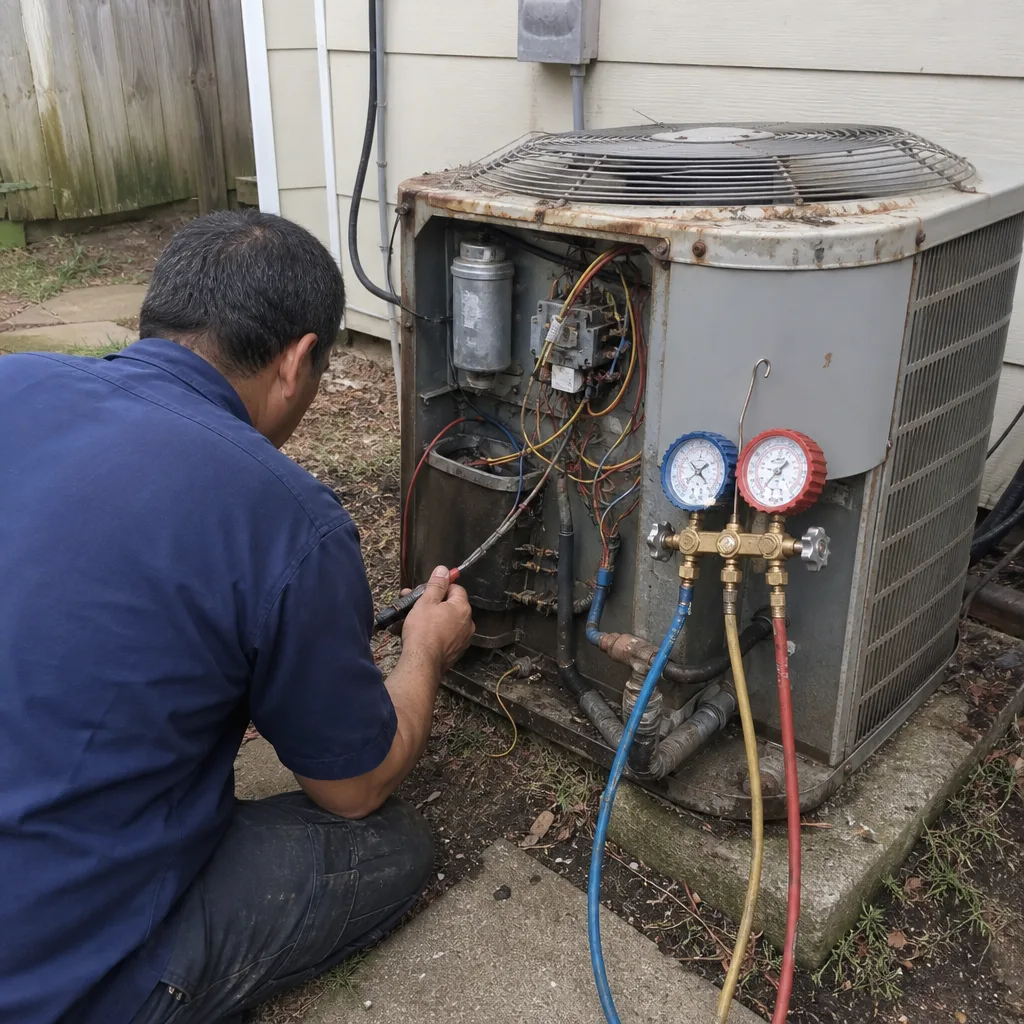 Before
 After
After