
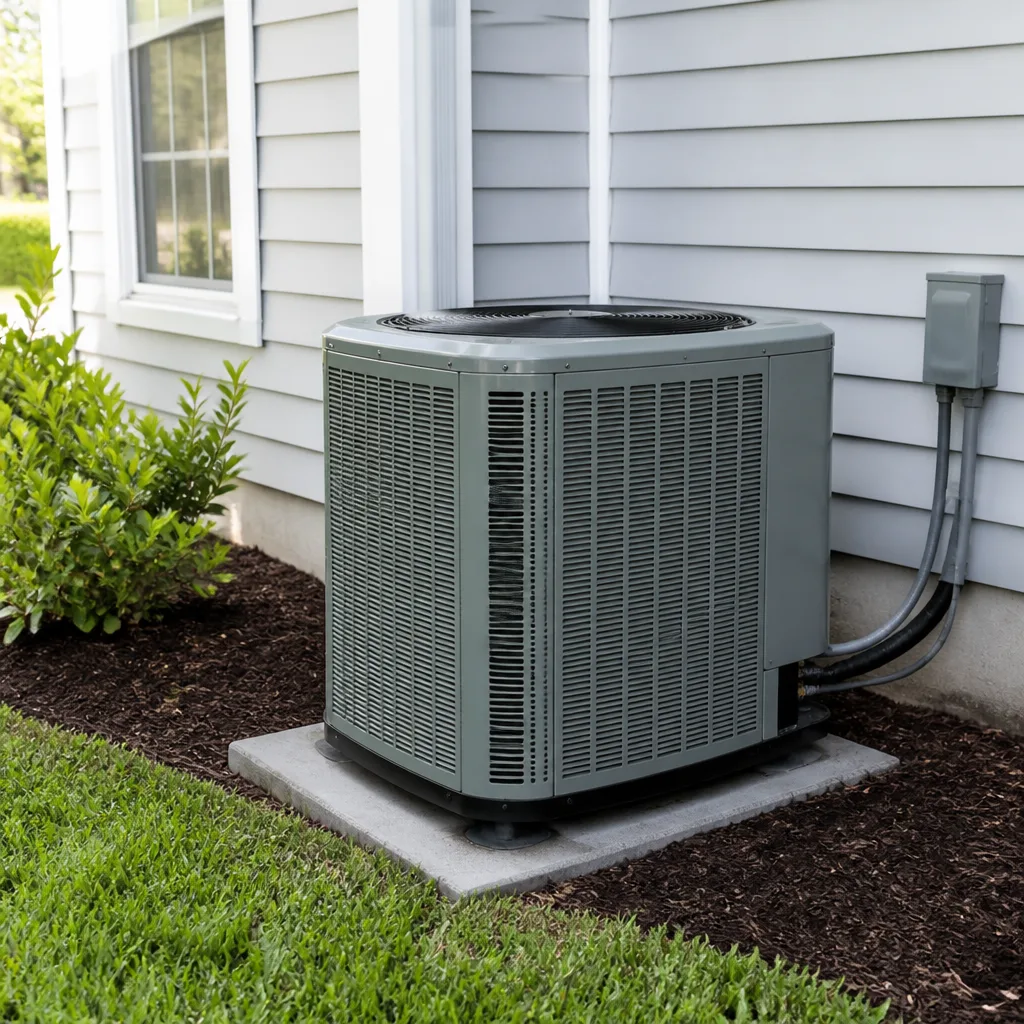
 AC repair
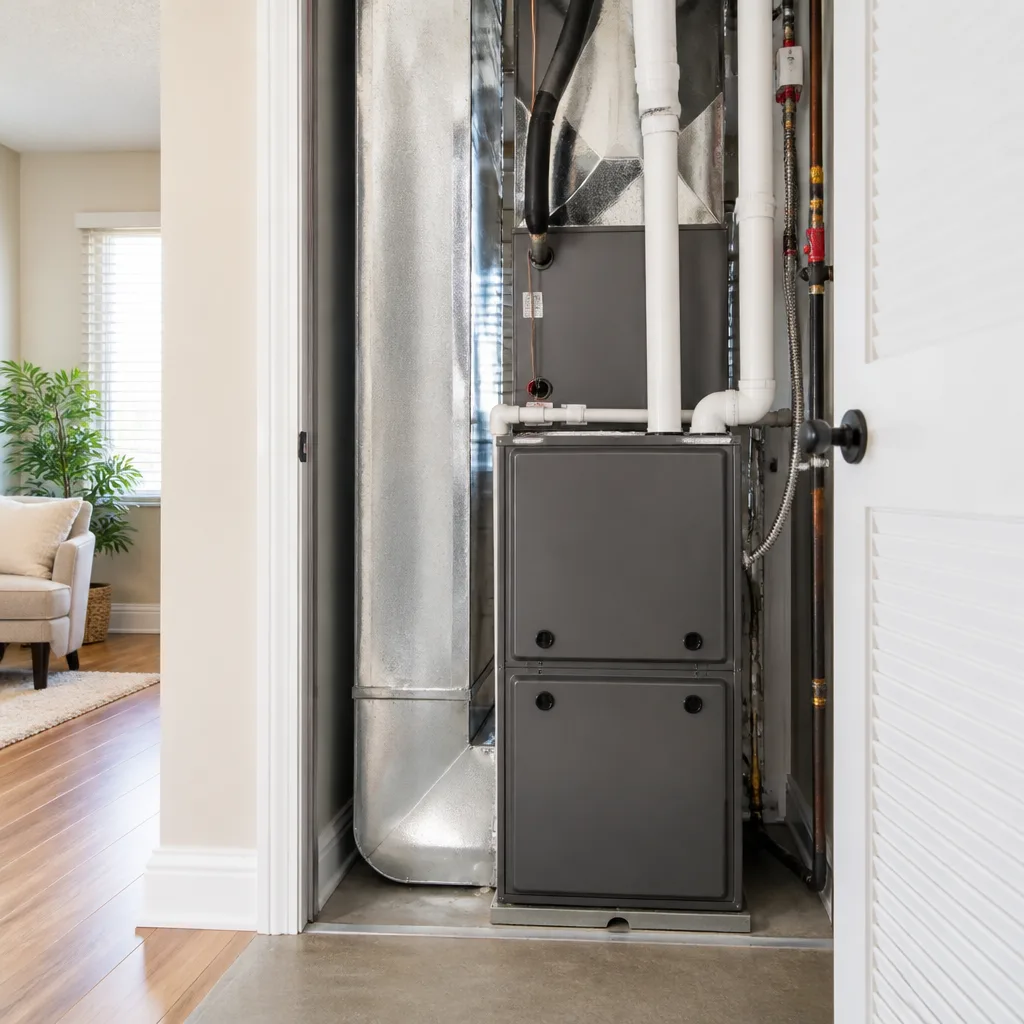 Furnace & heating
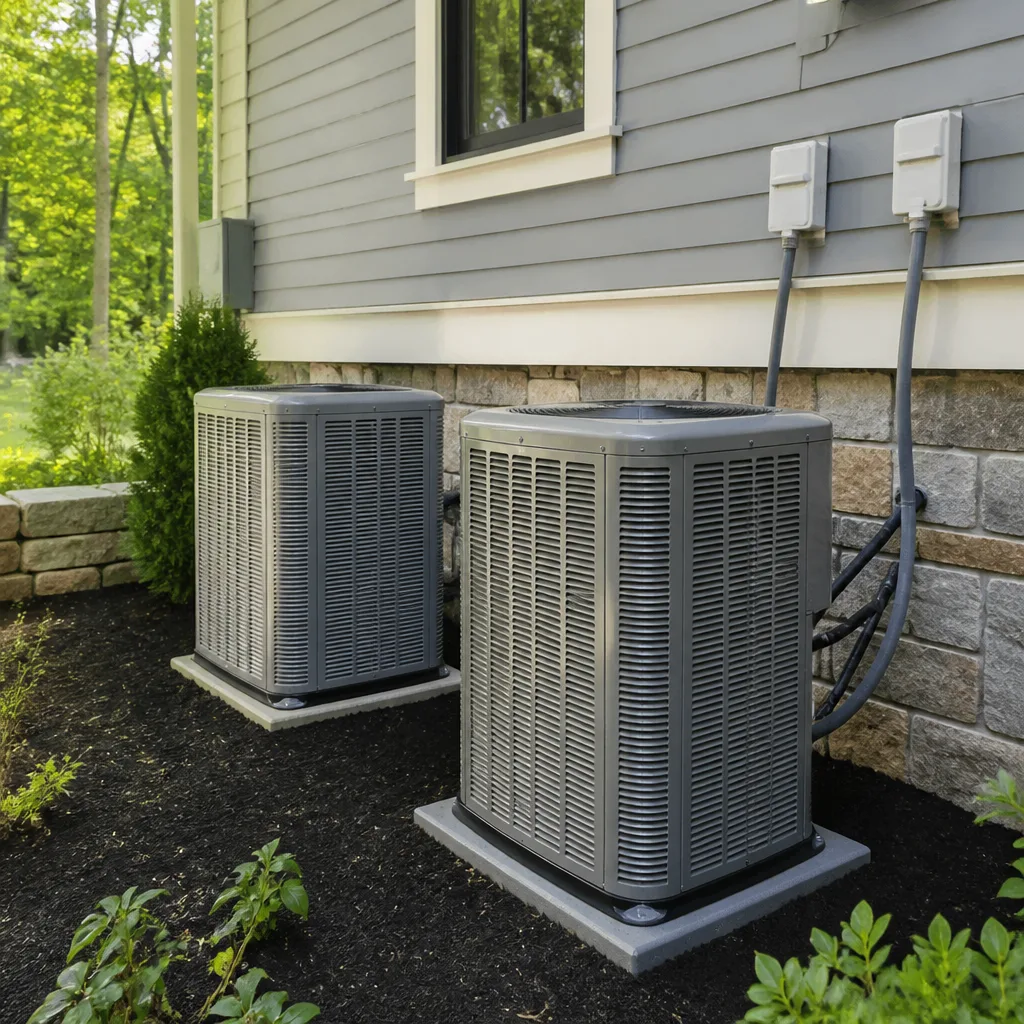 Heat pumps
 Ductless mini splits
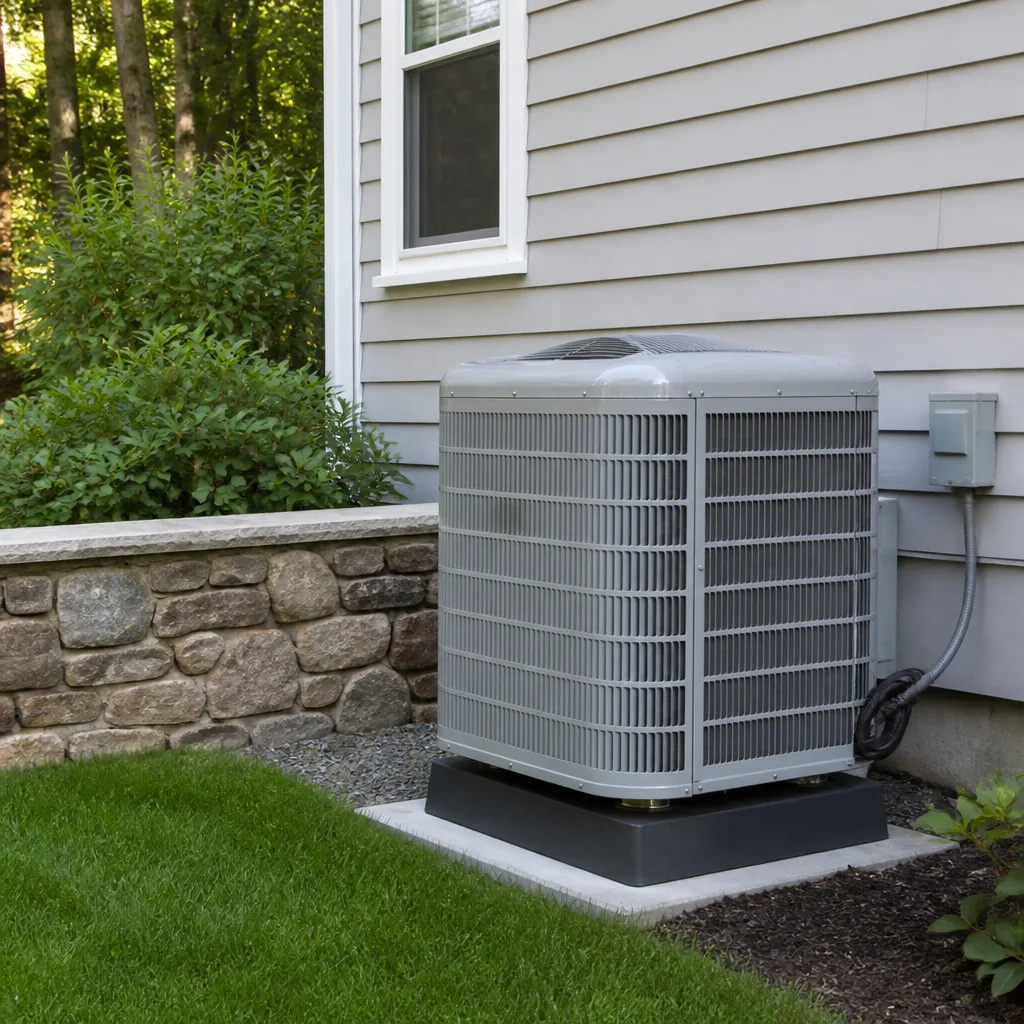 Carrier
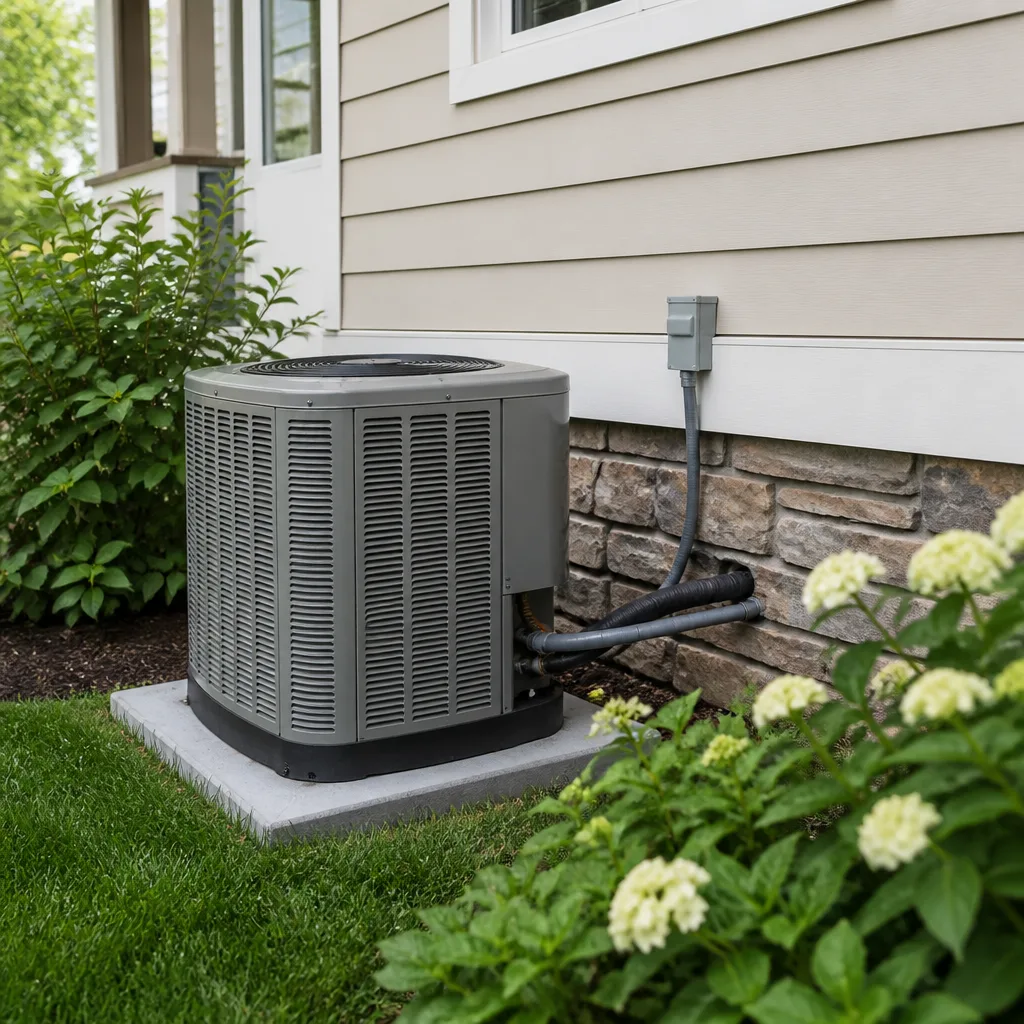 Trane
Trane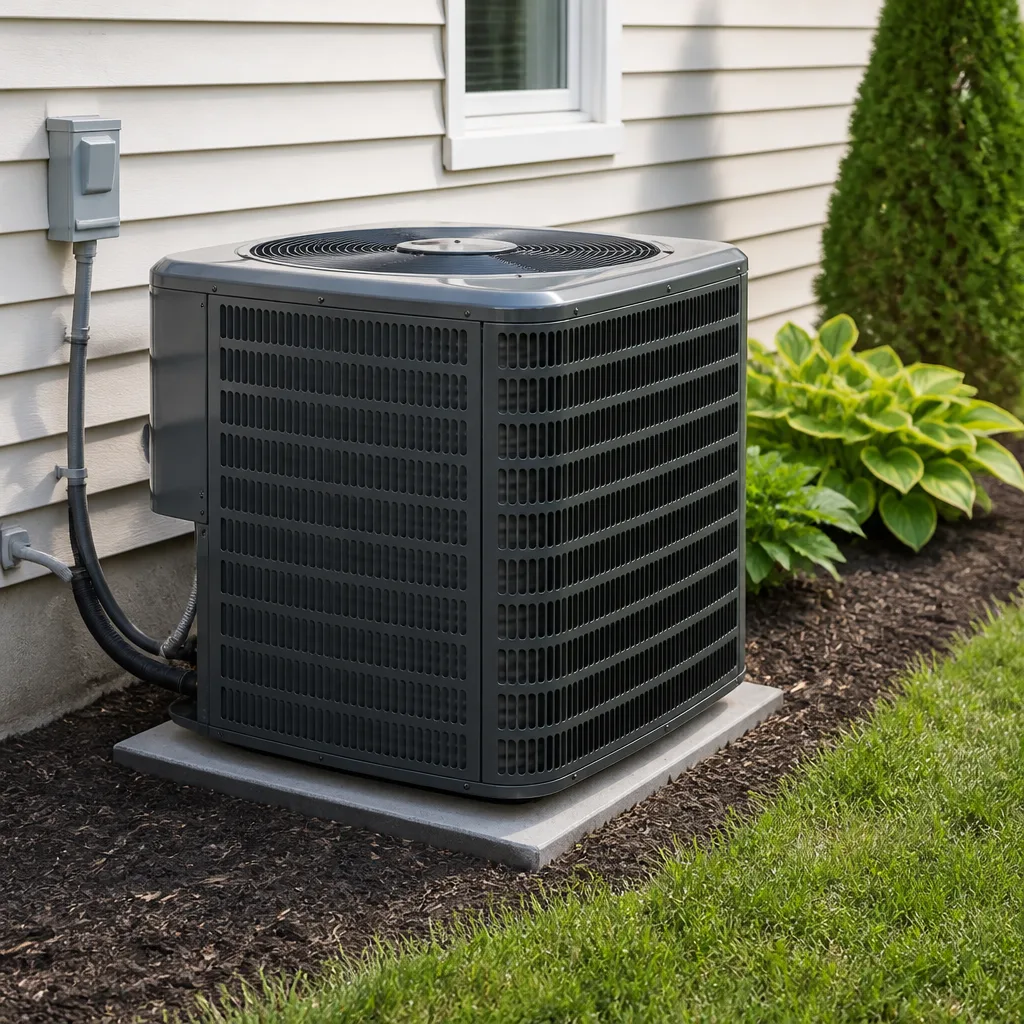 Goodman
Seasonal tune-up and full diagnostic on your Carrier, Trane, or Goodman system - readings shown to you before any repair is proposed
Diagnosis first, numbers second - you approve the repair price before a single part goes in.
Get your free estimateBryant Ductwork Repair: The Houston Owner’s Guide
Bryant ductwork repair in Houston typically runs $150 to $650 depending on what failed, how much duct needs replacing, and how accessible the run is. We stock Bryant-compatible duct components on our trucks and can handle most repairs same day. Most Houston homeowners discover the problem the hard way: one room runs hot while the rest of the house cools fine, the electric bill climbs for no obvious reason, or dust starts showing up on every surface within a week of cleaning.
Ductwork is the circulatory system of your Bryant system. The furnace and condenser do the heating and cooling, but the ducts deliver it. When ducts fail, you pay to condition air that never reaches the rooms you live in. In Houston, where attic temperatures push 140 degrees in August, a duct leak means you’re paying to cool your attic instead of your living room.
Which Bryant Models This Applies To
Bryant ductwork repairs do not depend on your specific furnace or condenser model in most cases. Ducts are sized to the airflow requirements of the system, not the brand badge. What matters is the duct design: flex duct versus rigid metal, the diameter of the runs, and whether you have a zoned setup with dampers. That said, Bryant Evolution and Preferred series systems with variable-speed blowers are more sensitive to duct leaks than single-stage units. A variable-speed motor compensates for restricted airflow by ramping up, which masks the problem until the leak is bad enough to cause real damage.
Here is the compatibility gotcha most Houston owners hit: flex duct in Texas attics fails at the connections, not in the middle of the run. The duct itself might be fine, but the zip ties, mastic, and takeoff collars connecting the duct to the supply plenum degrade under attic heat. We check the connection points first because that is where the air actually escapes. When we do replace duct sections, we use products that meet or exceed Bryant’s spec for airflow, not just whatever is on the shelf at the supply house. For rigid metal ductwork, we match gauge and diameter, not brand, because sheet metal is sheet metal. The quality difference is in the sealing and the installation, not the label.
Styles & brands we work with
Signs Your Bryant Ductwork Repair Is Failing
- Rooms at the end of the run stay warm while rooms near the air handler cool fine. This means conditioned air is leaking out before it reaches the farthest registers. The leak is usually in the trunk line or an early branch connection.
- Your electric bill jumps 20 to 30 percent in a mild month. Leaky ducts force your Bryant system to run longer to hit the thermostat set point. The condenser works overtime while most of the cold air never makes it past the attic.
- Dust reappears within days of cleaning, especially around supply registers. Return-side duct leaks pull attic air into the system. That attic air carries insulation fibers, dirt, and whatever the squirrels dragged in.
- You hear a faint whistling or roaring when the blower runs. Air escaping under pressure through a small gap makes noise. It is subtle at first, but once you hear it, you cannot unhear it. The noise usually points straight to the leak location.
- The attic smells musty or warm air blows from the vents when the AC first kicks on. A disconnected return duct pulls hot attic air directly into the system. In Houston humidity, that hot air carries moisture, and moisture brings mold inside the duct lining.
Marco Benitez sees these calls constantly in Houston, especially out near the Energy Corridor where summer loads push older Bryant equipment hard. He puts it this way: “Tell me what the system is doing, and I’ll tell you what it needs – not what sells.”
See the difference
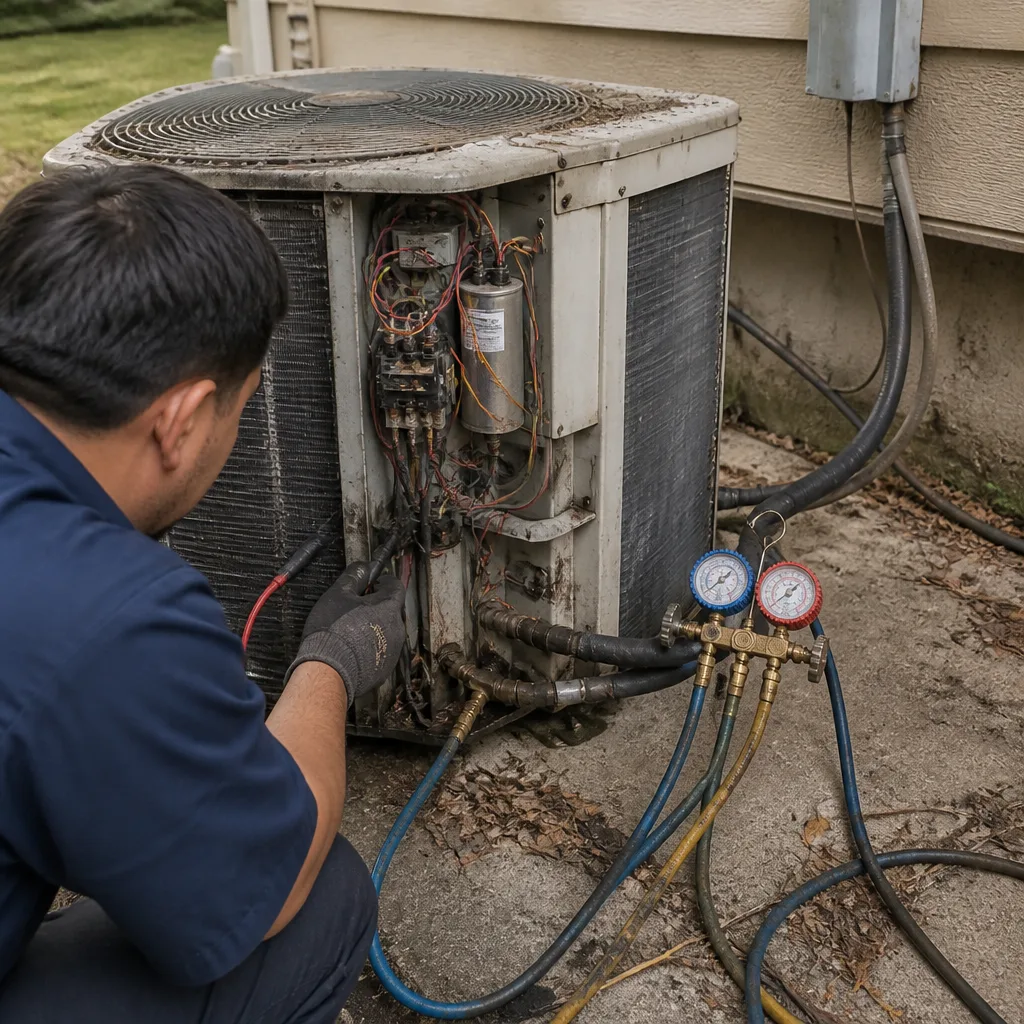 Before
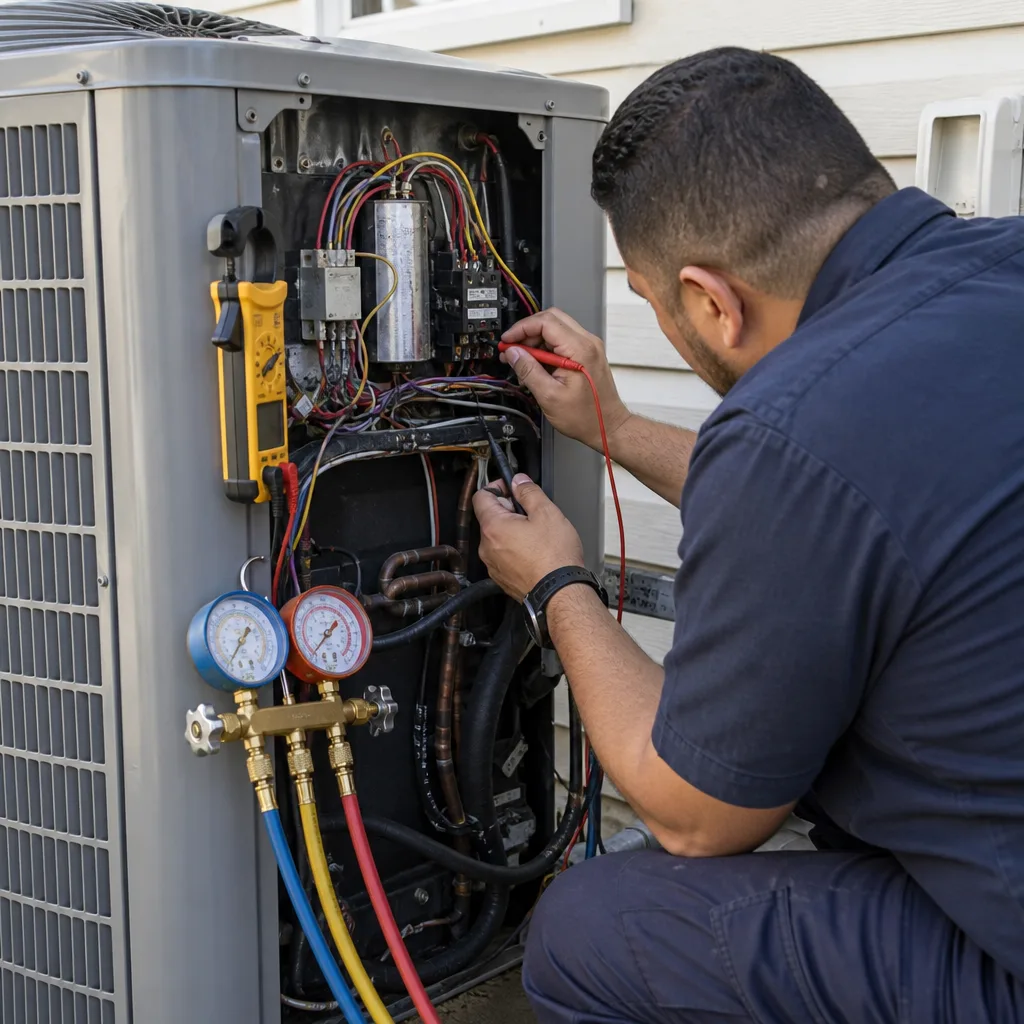 After
After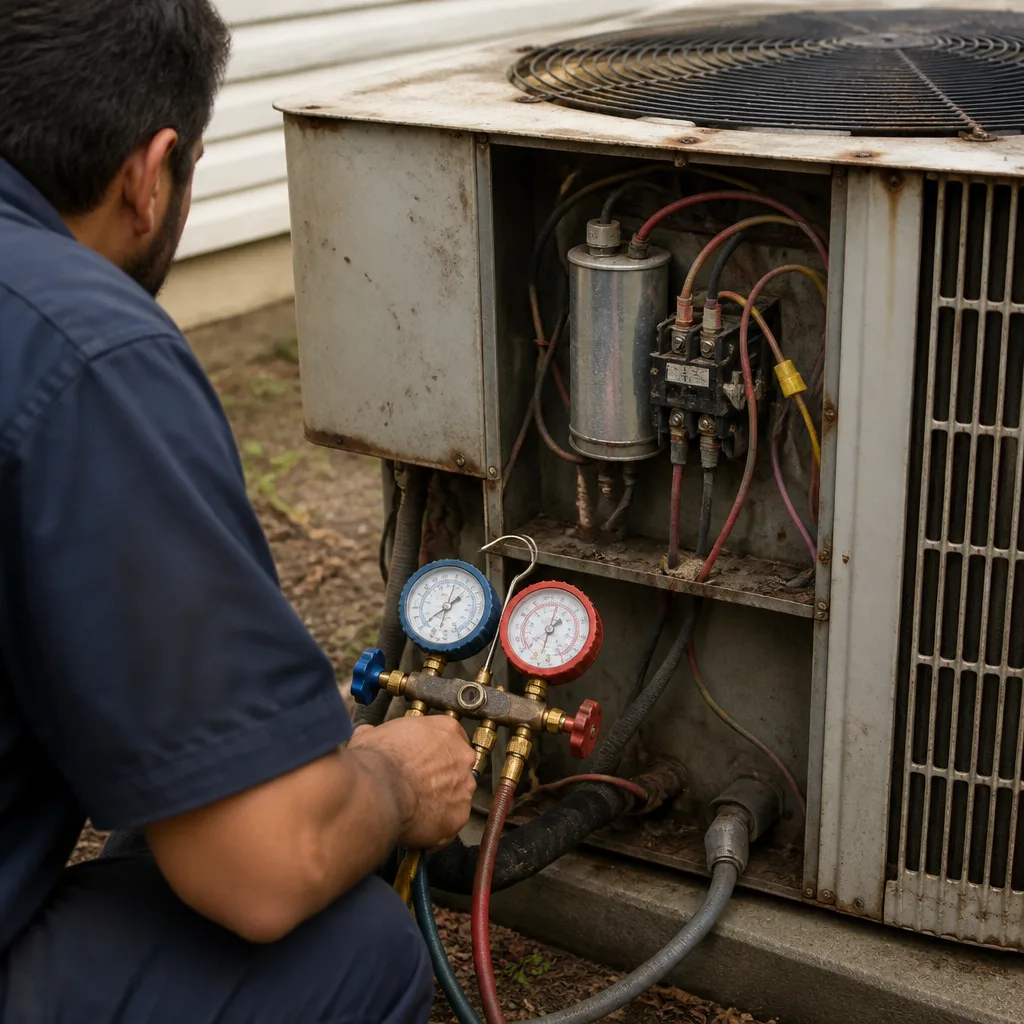 Before
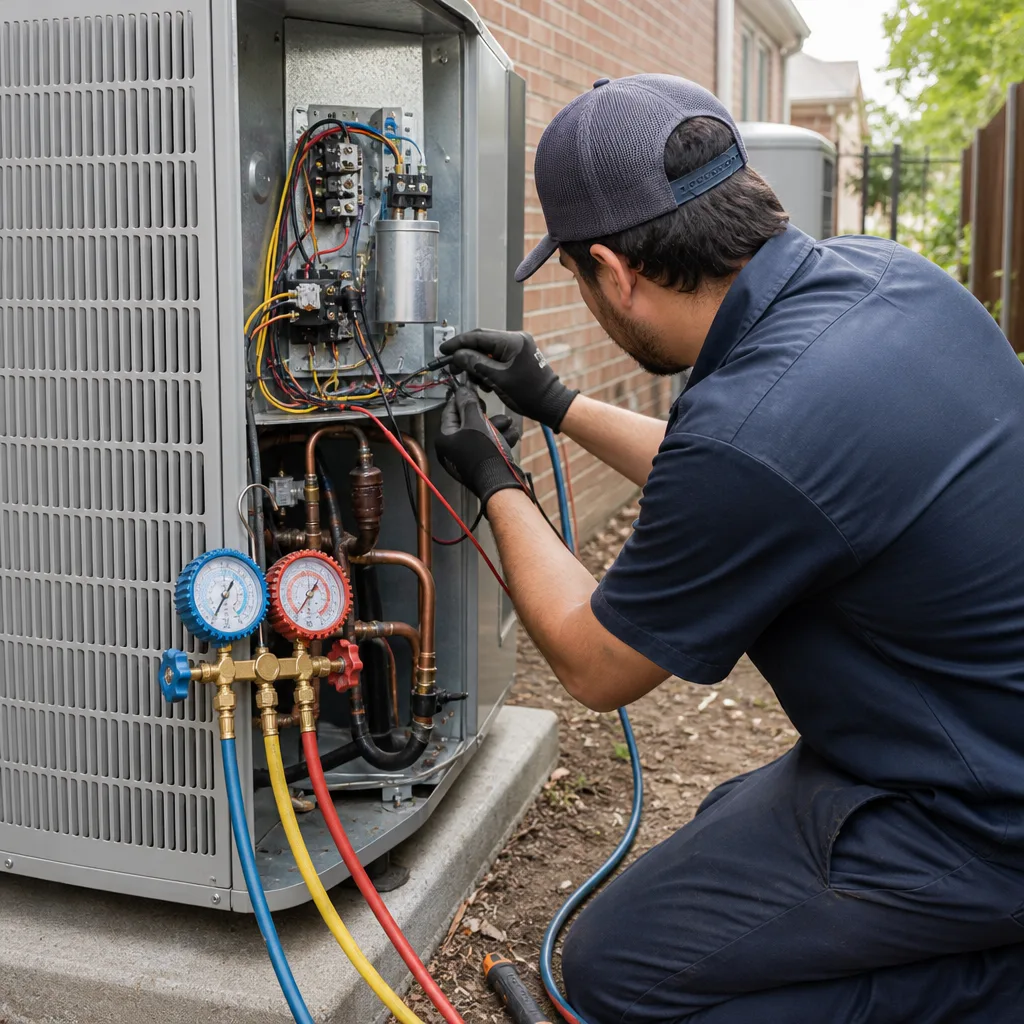 After
After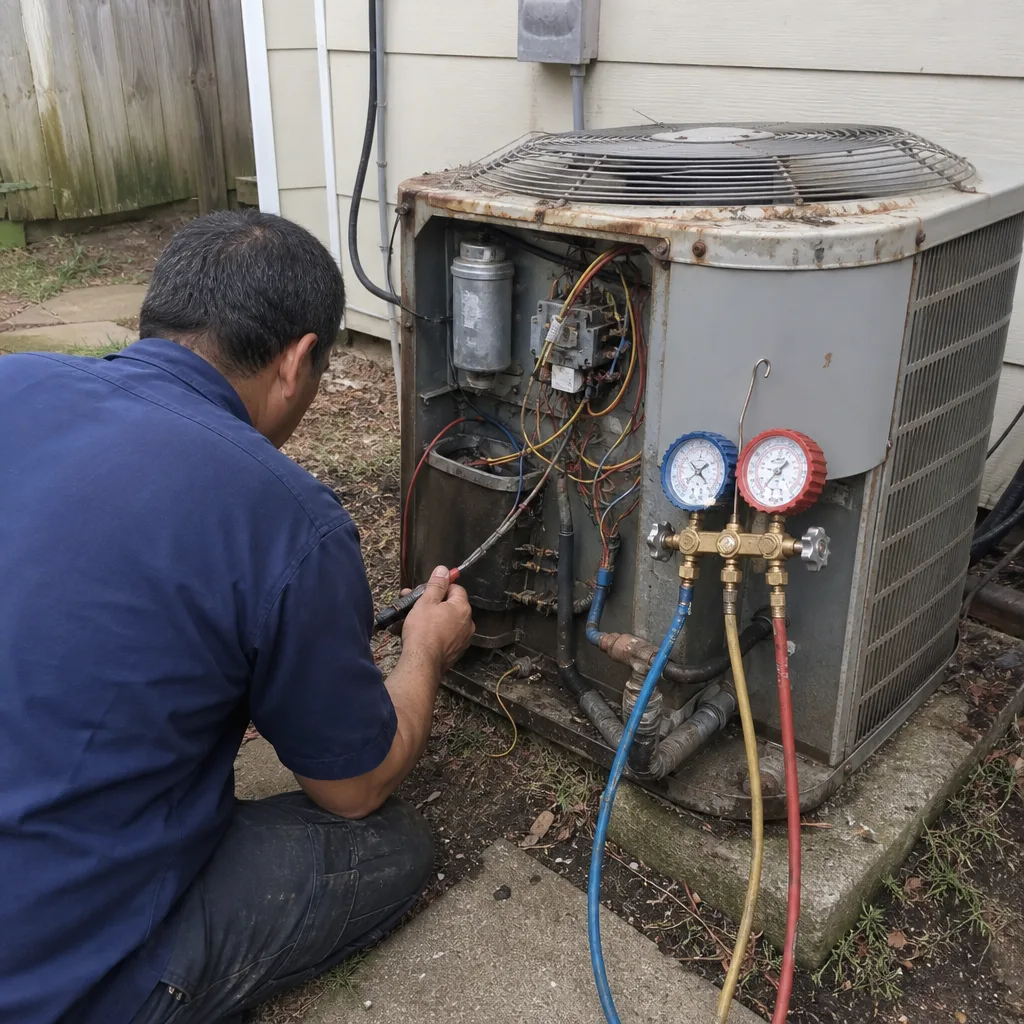 Before
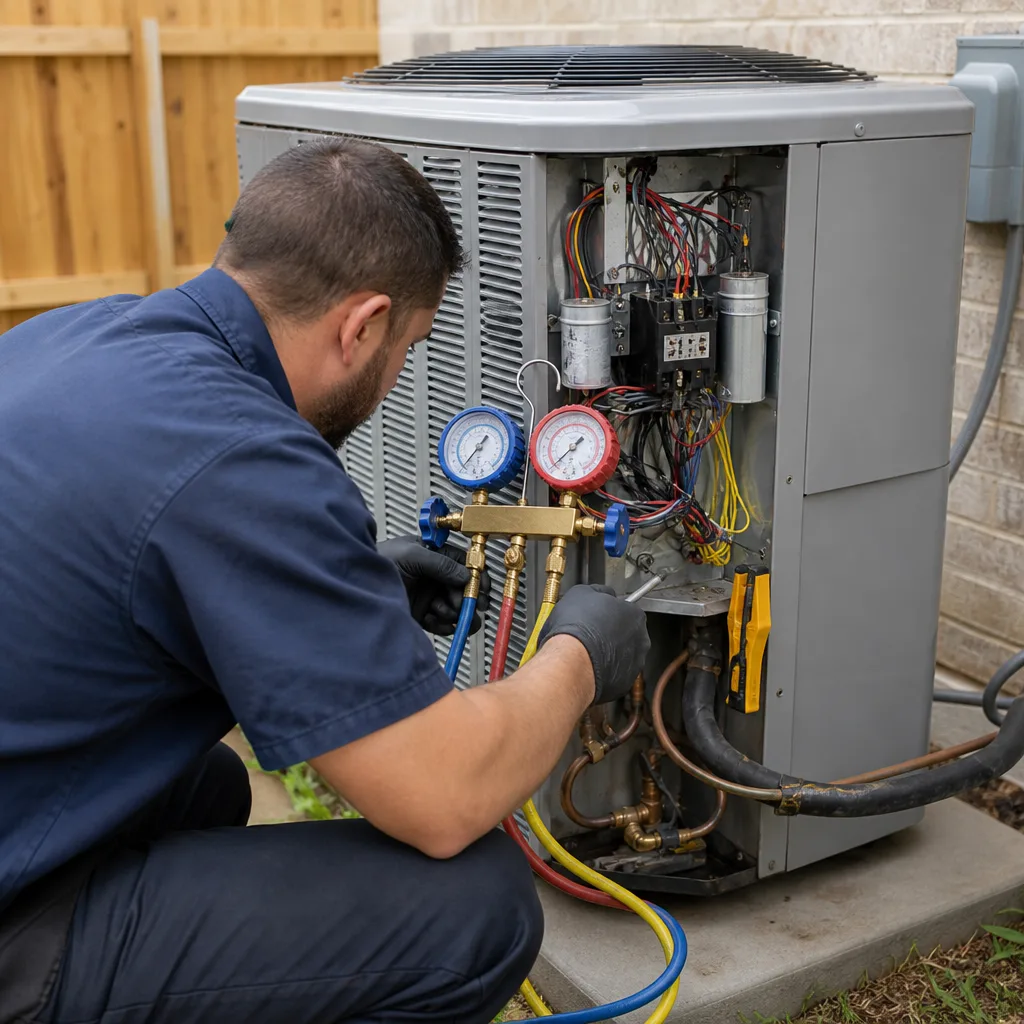 After
AfterReplacement Cost & What’s Included
Ductwork repair in Houston falls into a few price bands. A simple connection reseal, where we re-mastic and re-tape a separated joint, runs $150 to $300. Replacing a damaged flex duct run, including materials and labor, lands between $250 and $450 per run depending on diameter and length. Full trunk line repairs or replacing multiple failed runs can reach $500 to $650. These are the same ranges we use for AC and furnace repair work in this market, and they hold for Bryant equipment since the ducts are brand-independent.
Here is what drives the range:
- Access. Ductwork in a crawlspace or a tight attic costs more in labor than ductwork in an open attic. Houston homes are mostly slab-on-grade, so attic access is the norm, but the slope and clearance of your roof framing still matter.
- Duct diameter and length. Larger ducts carry more air and cost more per linear foot to replace. Longer runs mean more material and more time.
- Sealant and insulation requirements. We re-insulate any replaced duct section to current code, not whatever the original builder used. Houston’s energy code expects R-8 minimum on attic ductwork, and older homes rarely met that standard.
Every Bryant ductwork repair we perform includes a written price before any work starts, a written guarantee on the repair, and a free return visit if the fix fails within the guarantee period. That is The Garrison Standard, and it applies to every job we take.
DIY or Call Us?
Ductwork itself is not dangerous to work on the way a high-tension furnace door or live electrical panel is, but it is not a casual weekend project either. An owner can safely check a few things: look for ducts that have visibly separated at the connections, feel for cold air blowing from joints while the system runs, and check that registers are open and unobstructed. Those checks help you describe the problem when you call.
Where DIY goes wrong is the actual repair. Duct sealing done with the wrong tape peels off inside a Houston summer. A homeowner who patches a leak without addressing why the duct separated will be back in the attic in three months. And a homeowner who crushes or kinks a flex run while moving around up there will make the airflow problem worse, not better. If your ducts are leaking, call (903) 494-7686 and we will send a technician who has done this work hundreds of times. The price is in writing before we start, and the repair is guaranteed for a full year.
FAQs
Flex duct in a Houston attic has a realistic lifespan of 15 to 20 years before the outer jacket degrades and the connections fail. The failure is almost always at the joints and takeoffs, not in the middle of the duct run. Rigid metal ductwork can last 40 years or more, but even metal ducts need their connections resealed periodically.
Most ductwork problems are repairable. A separated connection gets resealed with mastic and re-secured. A small tear in flex duct can be patched. Replacement only makes sense when the duct is collapsed, crushed, or the inner liner is torn beyond a patch. We will tell you which one you need and put the price in writing before any work starts.
A single connection reseal takes 45 to 90 minutes. Replacing one flex duct run of typical length takes 2 to 3 hours. If multiple runs need work, we are usually done the same day. The technician will give you a time estimate before the work starts.
Yes. Our trucks carry flex duct in common diameters, takeoff collars, mastic, foil tape, and insulation. We also stock parts for Carrier, Trane, and Lennox systems. For unusual duct sizes or specialty components, we pull from Houston supply houses the same day in almost every case.
Written by Marco Benitez, Owner, Dalton Heating & Air Houston at Dalton Heating & Air Houston, serving Houston and nearby areas.