
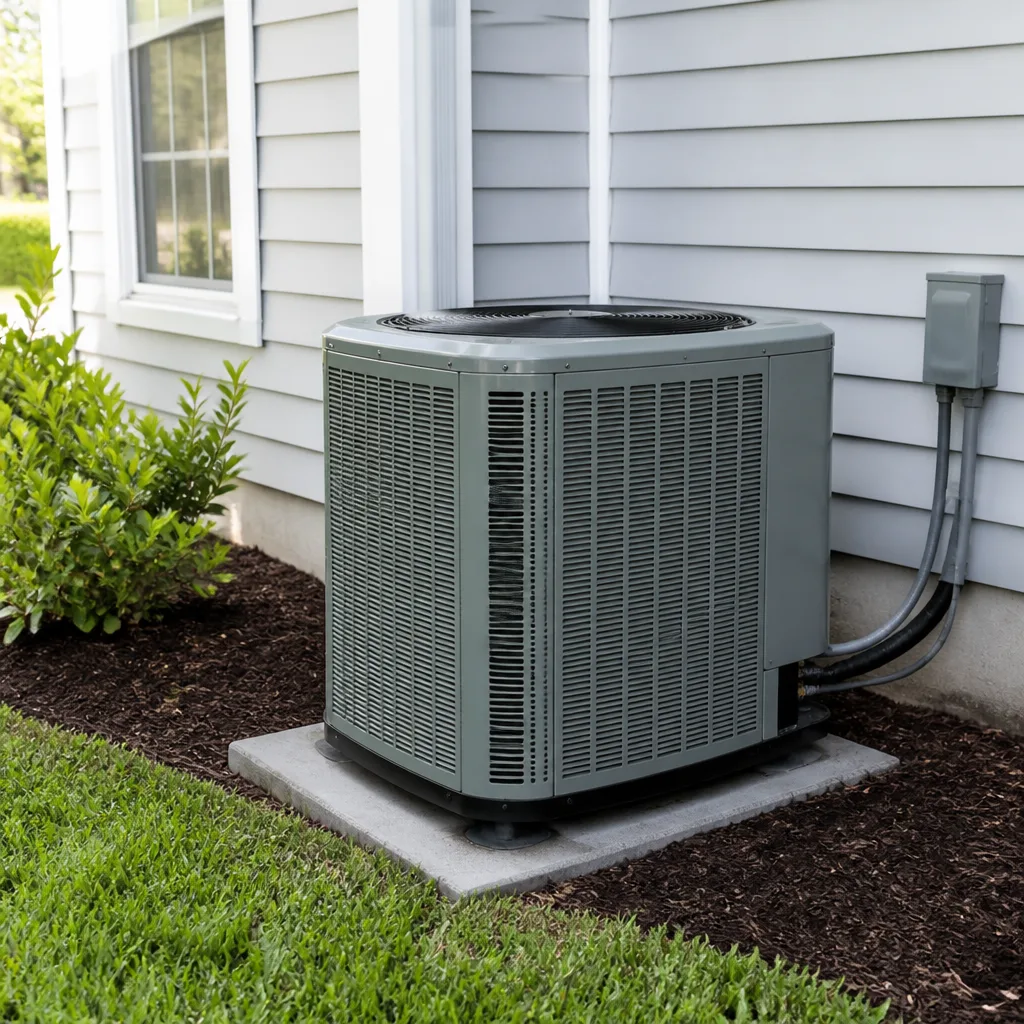
 AC repair
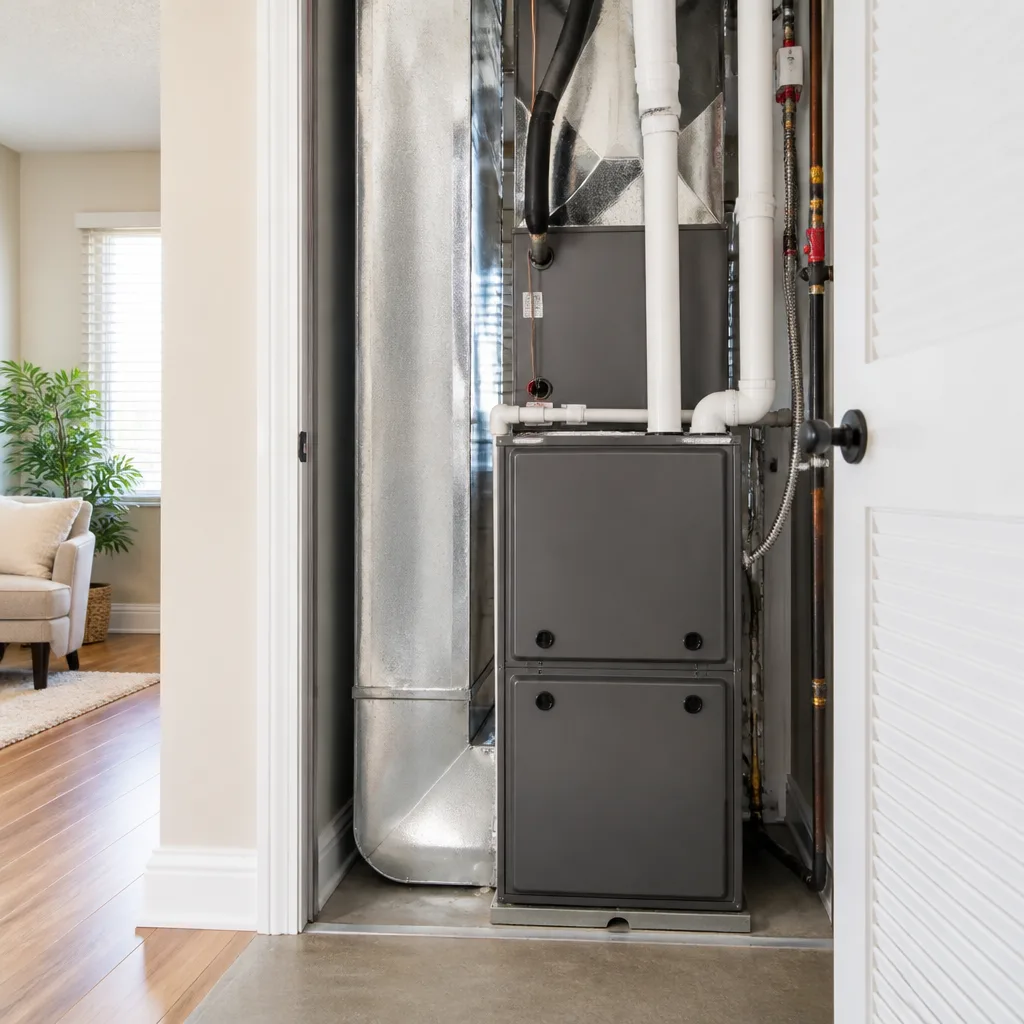 Furnace & heating
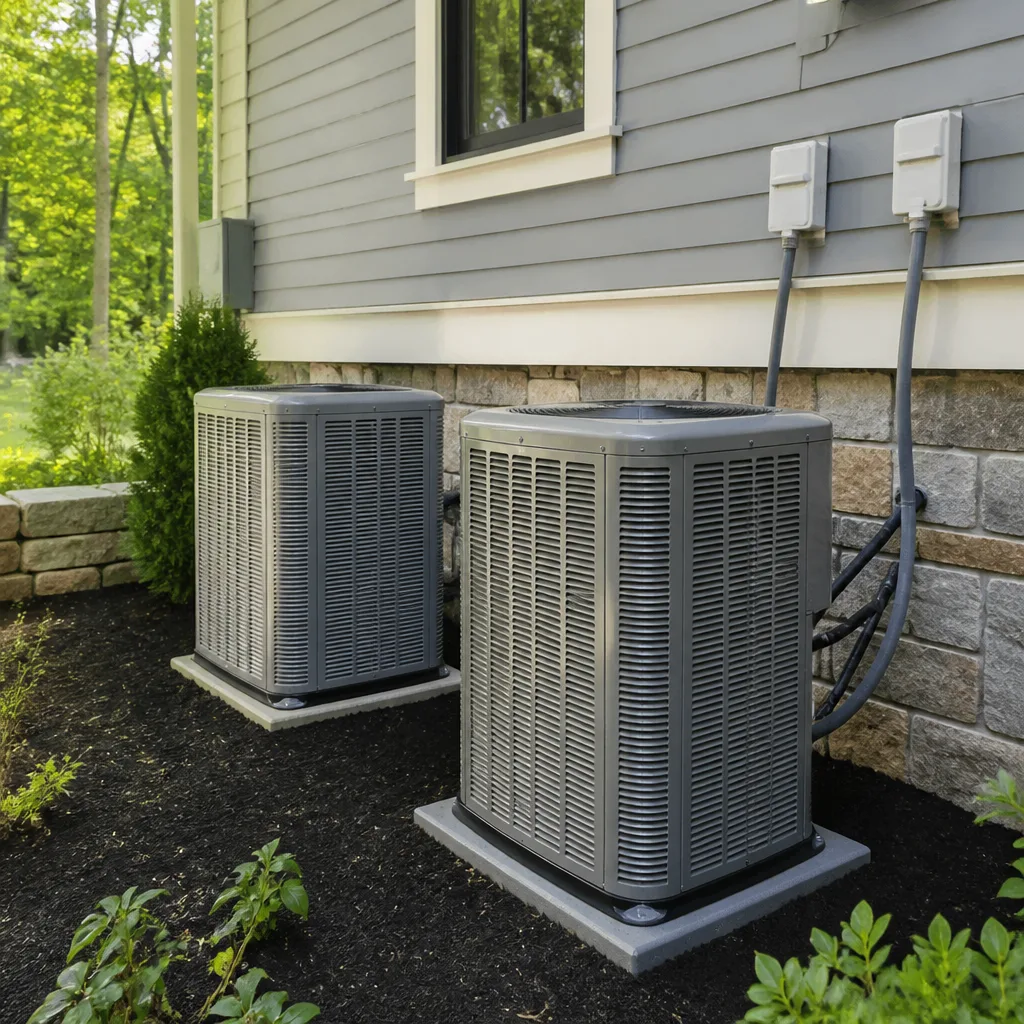 Heat pumps
 Ductless mini splits
 Carrier
 Trane
Trane Goodman
Seasonal tune-up and full diagnostic on your Carrier, Trane, or Goodman system - readings shown to you before any repair is proposed
Diagnosis first, numbers second - you approve the repair price before a single part goes in.
Get your free estimateAmerican Standard Ductwork Repair: The Houston Owner’s Guide
We repair and replace American Standard ductwork in Houston homes every week, and most jobs run $350 to $1,400 depending on how much duct has failed and whether we’re patching, sealing, or replacing full runs. Same-day service is available for emergency situations, like a collapsed trunk line or a duct that’s blown off its collar in the middle of a 98-degree afternoon. You’ll typically notice the problem first as a room that won’t hold temperature, a sudden spike in your bill, or dust blowing from a register that used to be clean.
Most homeowners call us after they’ve ruled out the easy stuff and the house still won’t cool evenly. The thermostat says 72, the air handler is running, but the bedroom is 80. That’s the classic signature of a duct problem, not an equipment problem. And if your system is an American Standard, the ductwork has to move air at the volume and static pressure that equipment was designed for. Anything less and you’re paying to cool a hot attic instead of your living room.
The air in a typical Houston home makes its way through 200 to 400 linear feet of duct, most of it flex duct in an unconditioned attic that can hit 140 degrees in July. Every joint, every seam, every bend is a failure point. And when one section opens up or crushes, the whole system works harder and cools worse. We see it all year, but the hottest months expose it fastest.
Which American Standard Models This Applies To
Ductwork doesn’t care what brand your outdoor condenser is, and that’s the first thing to understand. But American Standard systems, from the entry-level Silver series up through the Platinum and Gold variable-speed units, are engineered around specific static pressure ratings and airflow targets. A Silver 14 AC paired with a non-variable furnace still needs roughly 400 CFM per ton of cooling. A Platinum 20 communicating system is even pickier. If your ducts are undersized, collapsed, or leaking 20% of their air into the attic, the system can’t deliver what its control board is asking for. So while the duct itself isn’t brand-specific, the repair has to account for the American Standard equipment it’s attached to.
Here’s the compatibility gotcha we see in Texas attics: most residential flex duct comes in R-4.2 or R-6 insulation ratings, and a lot of what we find in Houston homes is the thinner stuff, R-4.2, which falls apart faster in a 140-degree attic. The thicker R-6 jacket holds up longer and saves you money on cooling lost through the duct walls. If your home was built prior to 2015, there’s a good chance you have R-4.2 in the attic and some of it is past its useful life.
On OEM versus aftermarket for duct repair, the honest answer is that duct components are commodity parts. Sheet metal collars, flex duct, mastic, and foil tape don’t need to come from American Standard. What matters is the installer’s work: sealing every connection with mastic, zip-tying every inner liner, strapping every run so it doesn’t sag, and sizing replacements to the load, not to whatever was there before. We use quality aftermarket duct materials matched to spec, and the full-year written guarantee covers the work the same either way.
One more identifier: the flexible duct jacket usually has the R-value and diameter printed along the outer sleeve every few feet. Look for a faded black stencil that reads something like “R-4.2 8 INCH.” That tells you exactly what’s in your attic right now.
Styles & brands we work with
Signs Your American Standard Ductwork Repair Is Failing
- Hot rooms that won’t cool no matter how low you set the thermostat. This usually means a section of flex duct has disconnected at a collar or a damper has come loose, so conditioned air is dumping into the attic instead of the room.
- Dust blowing out of a register that used to be clean. A torn duct inner liner or an opened seam lets attic insulation, dust, and whatever else is up there get pulled into the supply air and pushed into your home.
- An electric bill that’s jumped 30% or more compared to last year without a rate change. Leaking ductwork is the most common cause of this in Houston homes we serve, especially in the Energy Corridor area where older homes combine 20-year-old duct with high summer runtime hours.
- A whistling or roaring noise from specific vents. High static pressure from crushed or undersized duct forces air through tight openings at speed, and the sound points you right at the restriction.
- Ghost readings from rooms with closed doors. If your system is a variable-speed American Standard and the airflow sensors are reporting odd static pressure, a collapsed return duct is a prime suspect, and it shows up as rooms that go stale or stuffy when doors are closed.
None of these symptoms fix themselves. Duct failures get worse the longer they run, because unrestricted air always takes the path of least resistance, and that path tends to get bigger over time.
See the difference
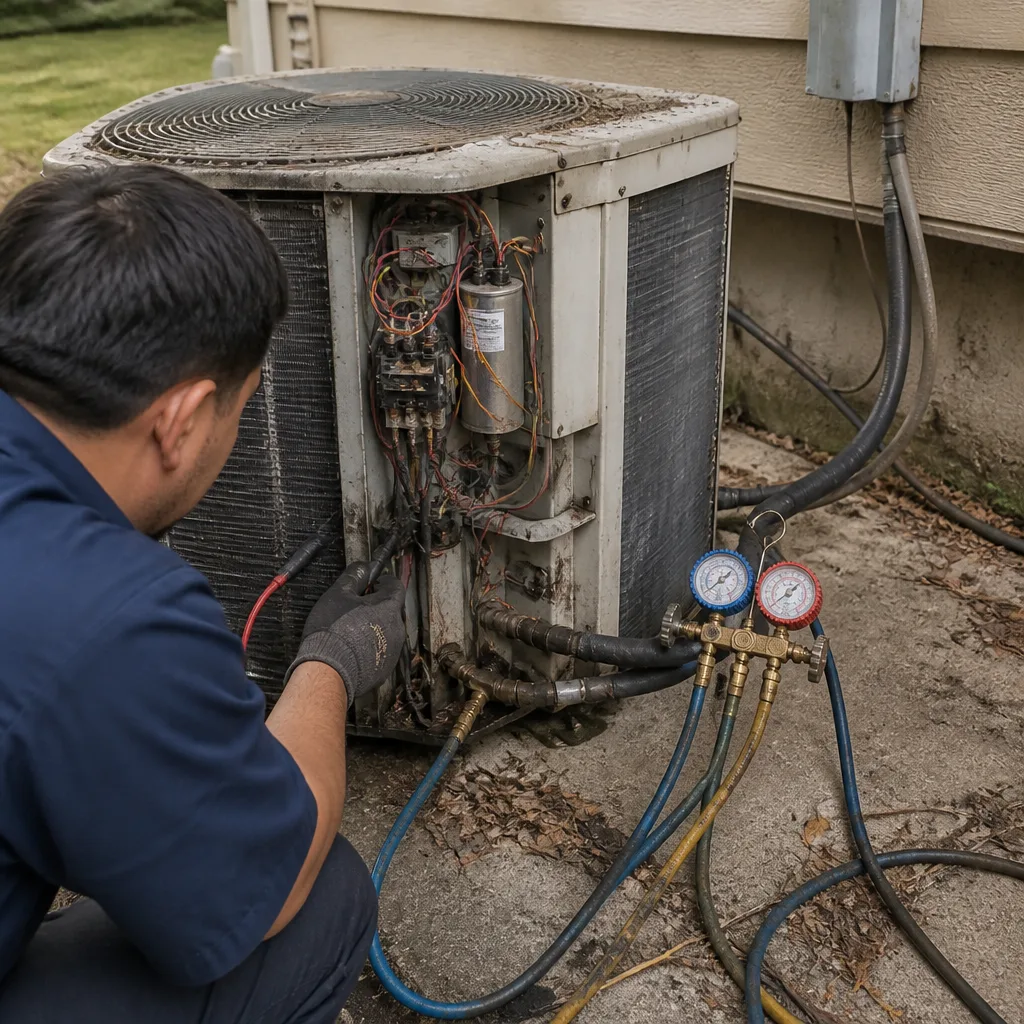 Before
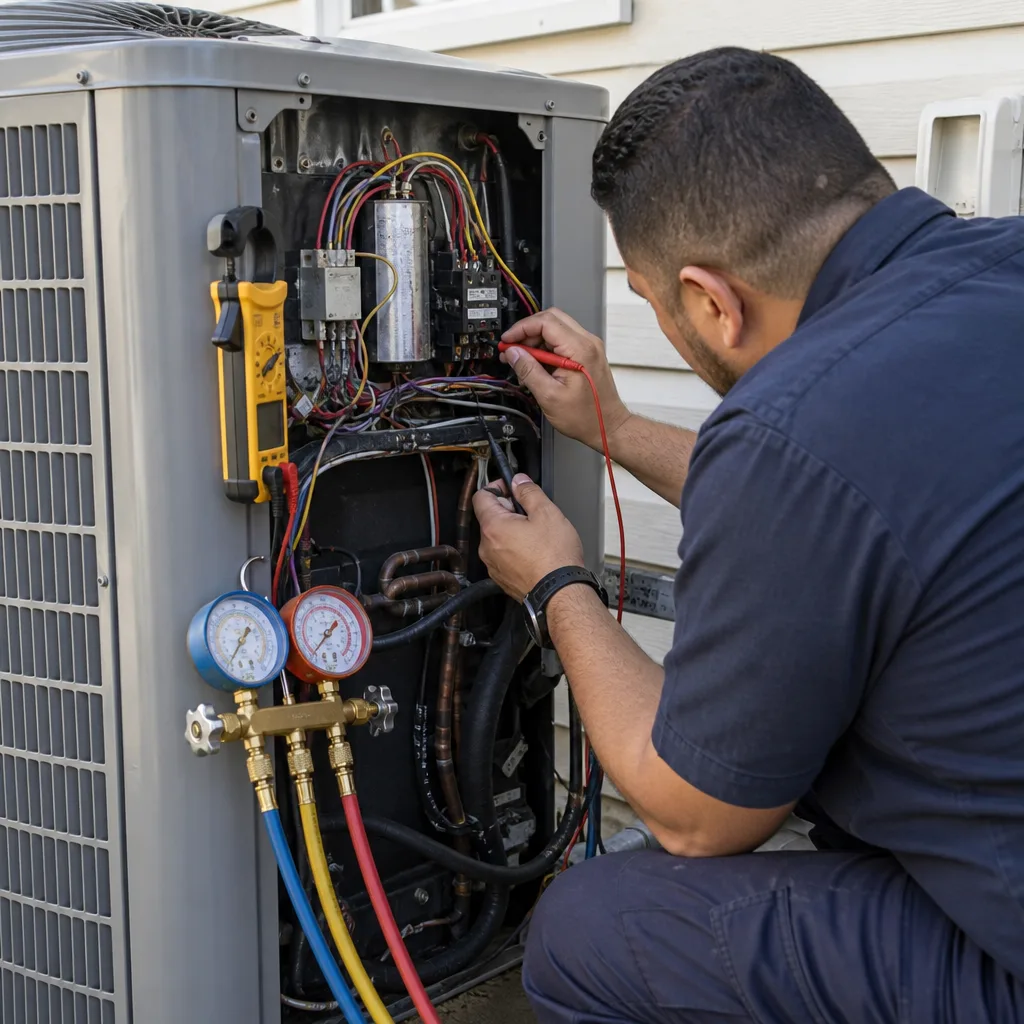 After
After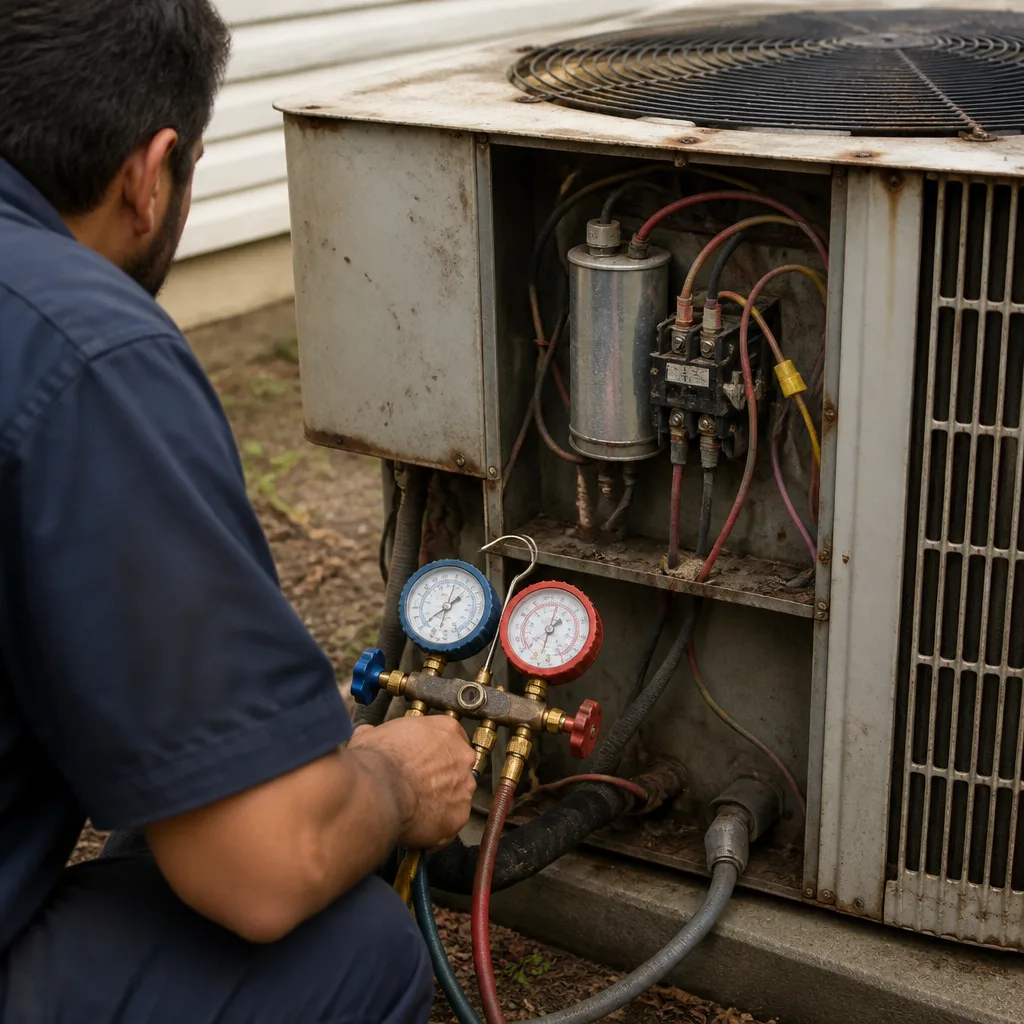 Before
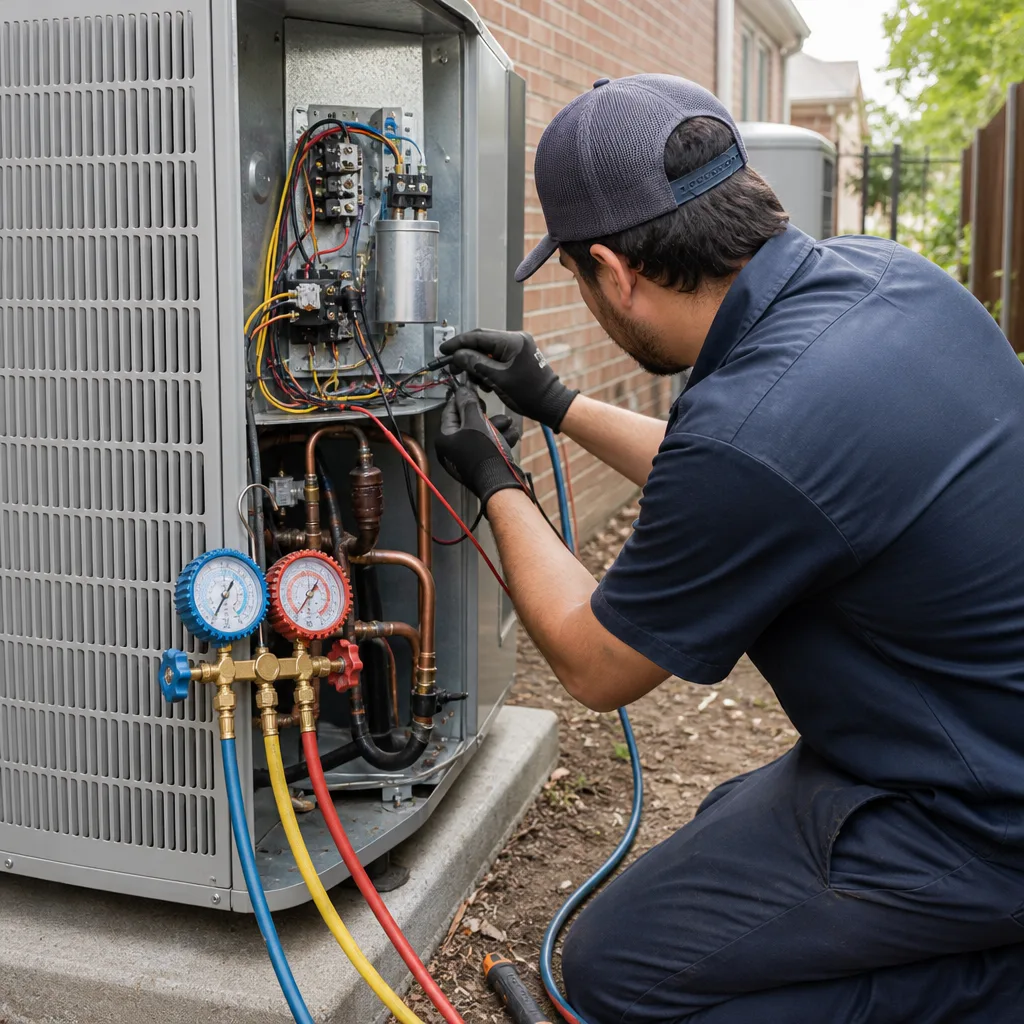 After
After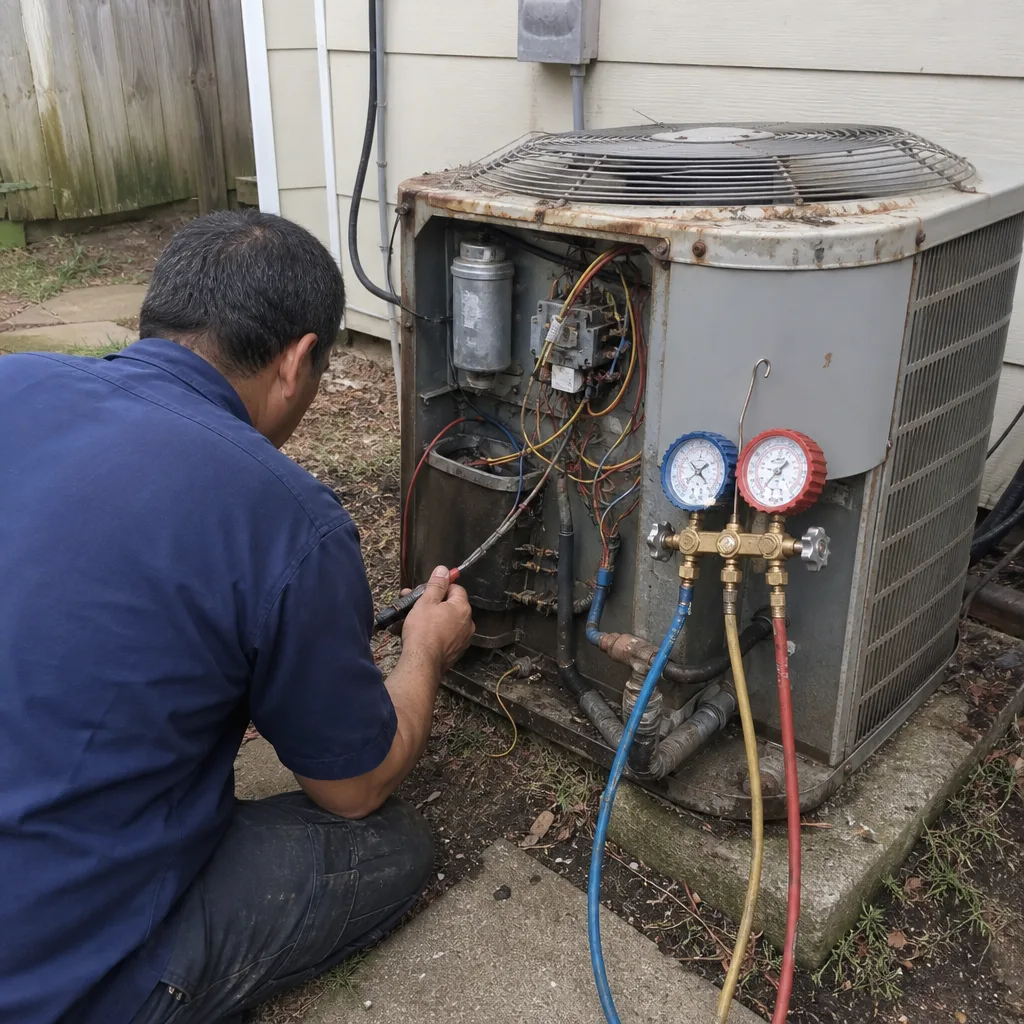 Before
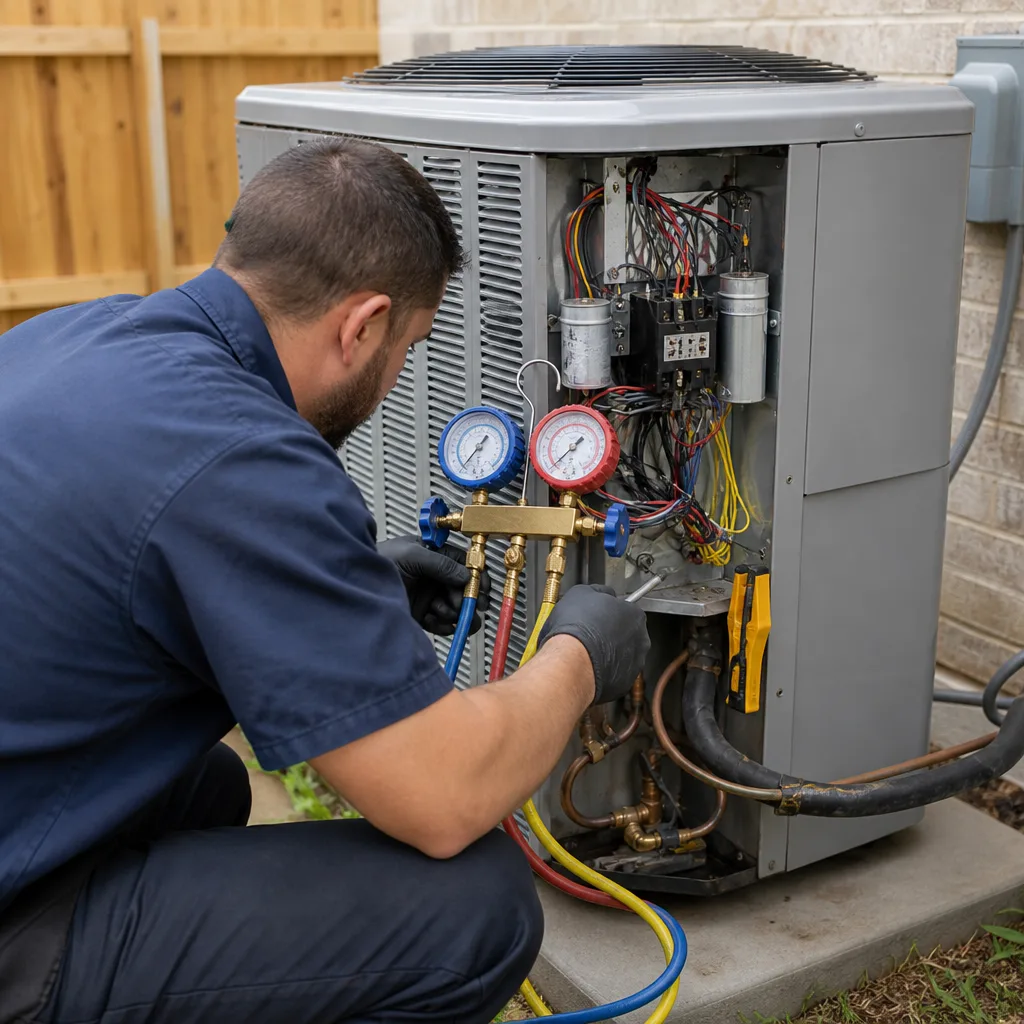 After
AfterReplacement Cost & What’s Included
Here’s what we charge in Houston for American Standard ductwork repair, with the price put in writing before we start any work:
- Duct sealing and small repairs: $350 – $600. This covers resealing collars, patching small tears with mastic and tape, and reattaching disconnected runs.
- Moderate section replacement: $600 – $1,000. Includes replacing 20 to 40 linear feet of damaged flex duct, re-strapping, and balancing the affected runs.
- Partial or full trunk line repair: $1,000 – $1,400+. Covers damaged plenums, collapsed main supply trunks, or return air drops. This is the job that takes a full day and most of the materials cost.
The price difference comes down to how much duct is actually bad, whether we’re working in a low attic with no decking or an accessible one, and whether we’re doing surgical spot repair or hauling out old R-4.2 runs and replacing them with R-6. Every quote includes labor, materials, sealing, and cleanup. No separate trip charge, no materials upcharge at the truck. And every repair is guaranteed in writing for a full year. If the work doesn’t hold, we return at no charge.
For a full duct system redesign and replacement, we scope the house first. Houston homes with original 1980s or 1990s ductwork often need more than a patch job, and that’s a bigger conversation about load calculations and airflow targets, not a quick diagnostic.
DIY or Call Us?
Ductwork repair is not dangerous in the way that high-tension springs or electrical panels are, but it is physically punishing. Working in a 130-degree attic with fiberglass insulation and a headlamp is not a Saturday hobby. What you can safely do is identify the problem: walk the house, note which rooms are hot, check the registers for airflow, and look for obvious crushed sections if you have a pull-down attic and are comfortable going up. But here’s the thing we see all the time: a homeowner patches a visible tear with duct tape, and the real problem, a disconnected run 20 feet further down, keeps bleeding air for another six months. Duct tape is not a duct sealant. It dries out and falls off in attic heat. Mastic and proper zip ties are what hold.
If you want to roll the dice on a DIY patch, you’ll need a legitimate mastic sealant and foil tape, not a roll from the hardware store checkout aisle. But if you’d rather have the job done right, with the pressure test confirming the fix and a written guarantee behind it, call us at (903) 494-7686 for a free estimate. We’ll send a background-checked technician who arrives in a uniform, puts the price in writing before any work starts, and leaves your attic cleaner than he found it.
FAQs
Flex duct in a Houston attic typically lasts 15 to 20 years before the outer jacket degrades, the inner liner tears, or the connections fail, and R-4.2 duct fails faster than R-6. If your home was built before 2010 and still has original duct, you’re on borrowed time. Call (903) 494-7686 for an attic inspection and we’ll tell you exactly what’s left in your ductwork and what it’ll cost to fix.
Yes, most of the time. Small tears, disconnected collars, and failed seals can be repaired with mastic and proper reattachment for $350 to $600. But collapsed runs, water-damaged sections, or duct that’s been chewed through by rodents usually needs replacement, not a patch. We’ll show you the damage in photos before we quote any work.
A typical spot repair or sealing job takes 2 to 4 hours. Replacing a full run or trunk section can take a full day depending on attic access and how much old material has to come out. We bring the materials on the truck, so we’re not leaving to pull parts mid-job.
We stock common sizes of R-6 flex duct, collars, mastic, and foil tape on every truck, so most repairs finish in one visit. For larger jobs or specialized fittings, we’ll get materials same day from our Houston suppliers. Dalton Heating & Air Houston is an independent service provider and not affiliated with American Standard, but the duct materials we use match or exceed the original spec for your system.
Written by Marco Benitez, Owner, Dalton Heating & Air Houston at Dalton Heating & Air Houston, serving Houston and nearby areas.