
Last updated October 16, 2026
 AC repair
 Furnace & heating
 Heat pumps
 Ductless mini splits
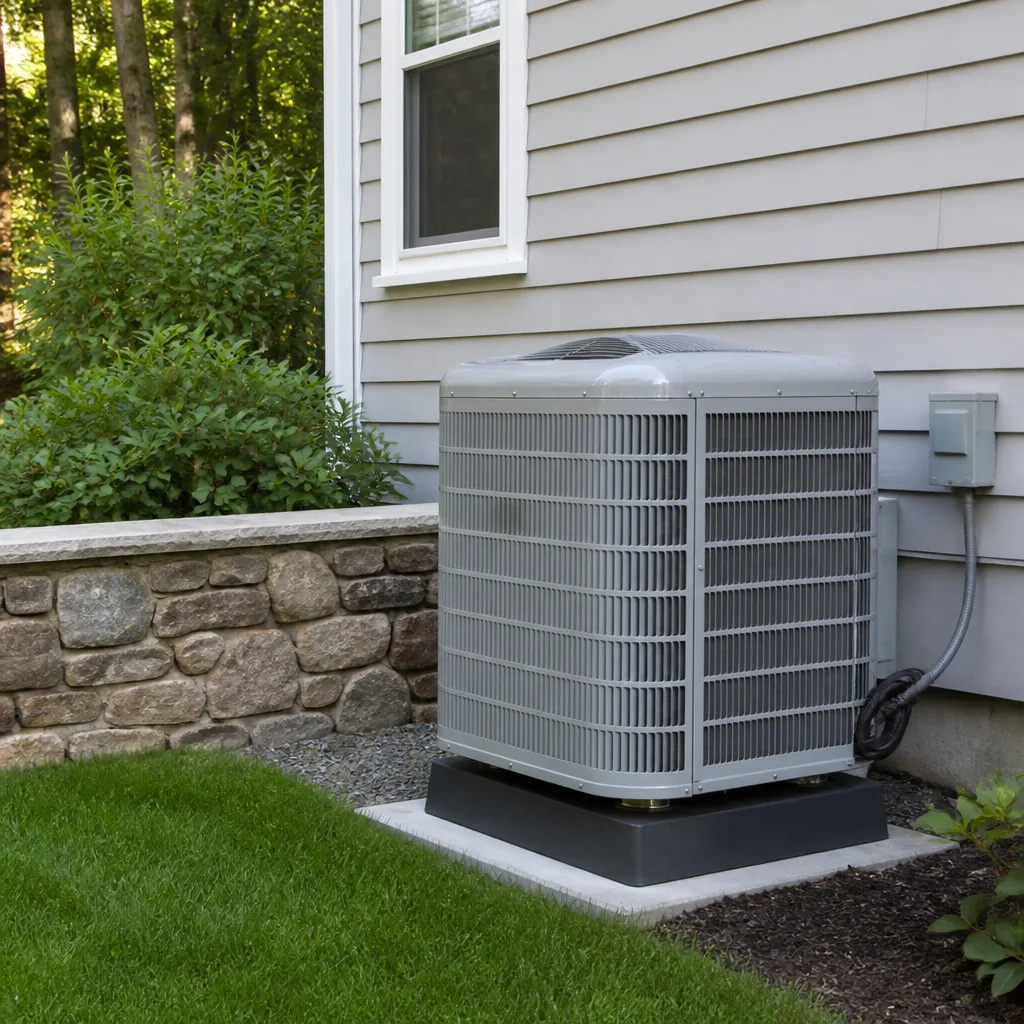 Carrier
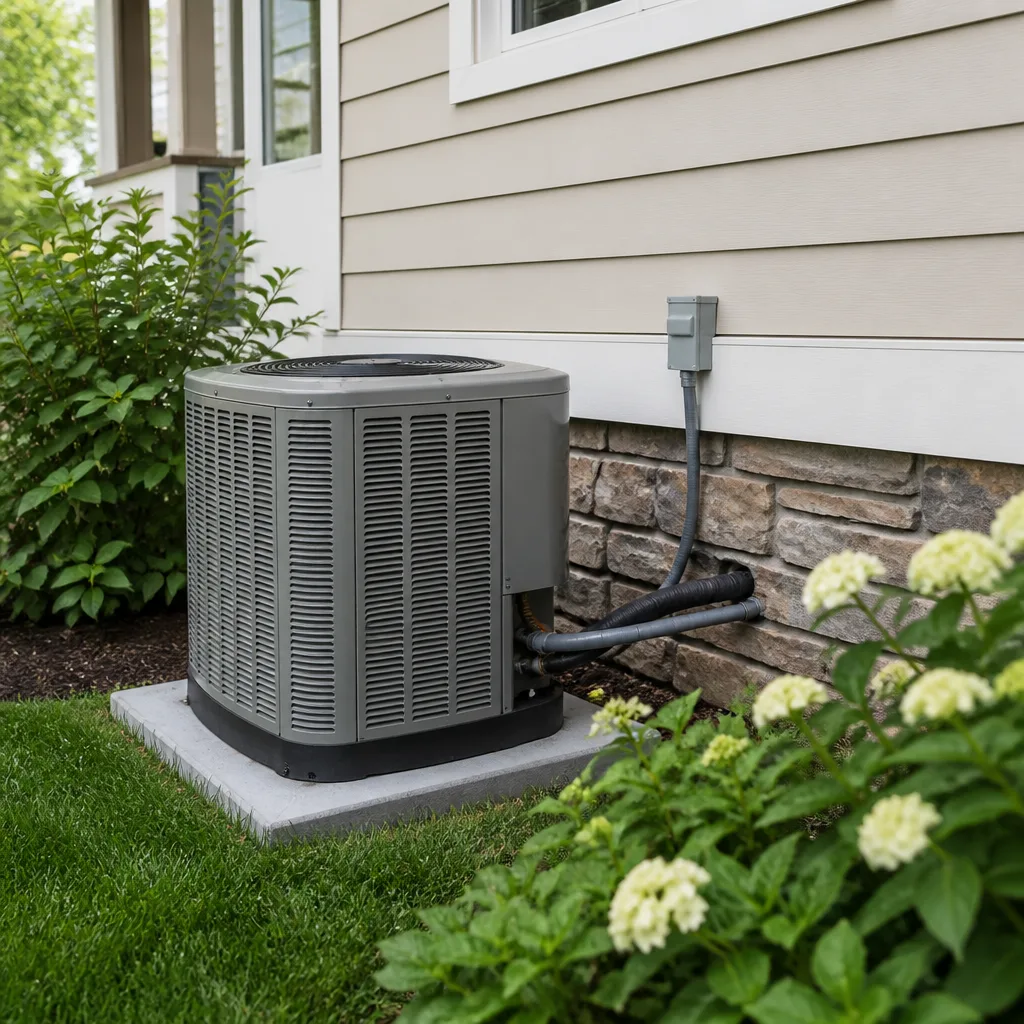 Trane
Trane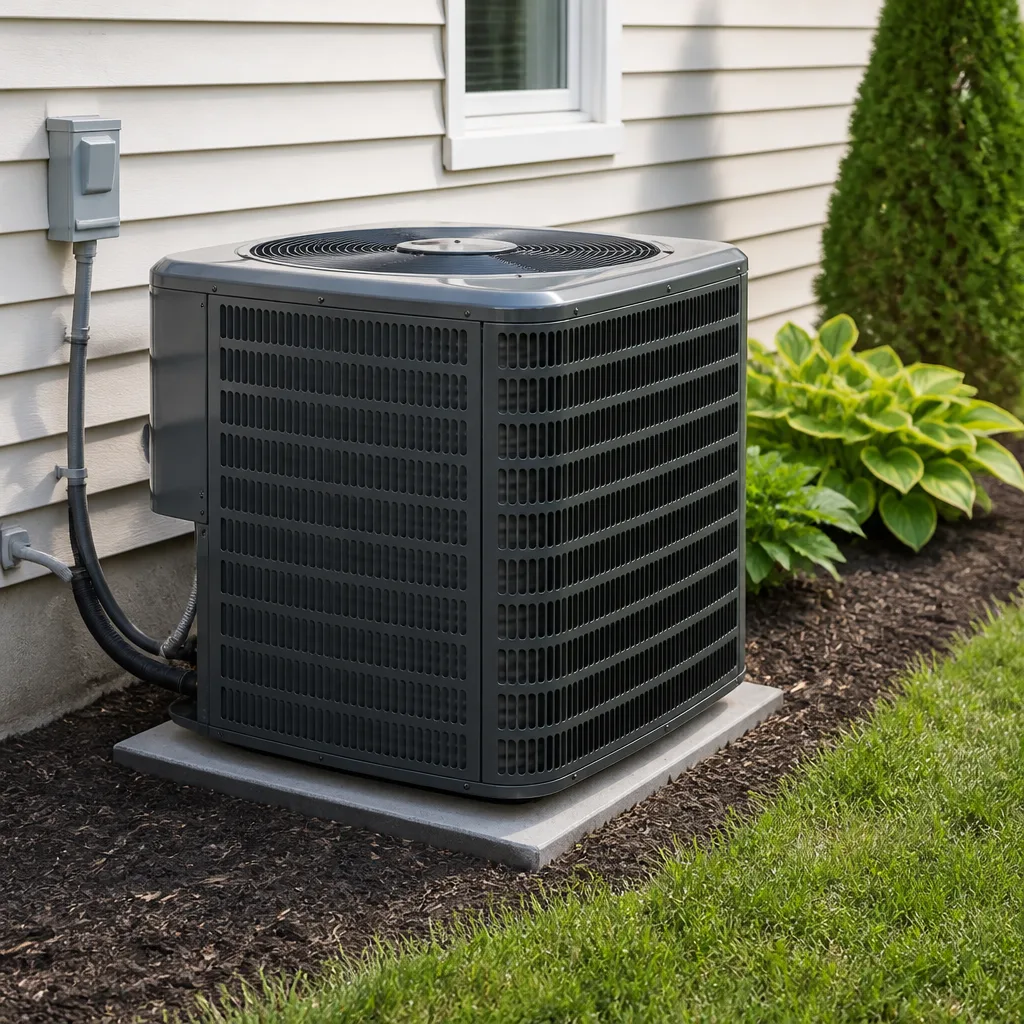 Goodman
Seasonal tune-up and full diagnostic on your Carrier, Trane, or Goodman system - readings shown to you before any repair is proposed
Diagnosis first, numbers second - you approve the repair price before a single part goes in.
Get your free estimateAC Repair Maintenance Checklist for Houston Homeowners
Here’s a fact most generic maintenance guides won’t tell you: the number-one cause of AC failure calls in Houston during June and July isn’t a dead compressor. It’s a condensate drain line that was clean in April and fully blocked by mid-June, because Gulf Coast humidity generates far more condensate than the manufacturer manuals assume. A coil pulling moisture out of 90-degree, 80-percent-humidity air can produce 5 to 20 gallons of water per day. That water carries dust, skin cells, and Houston’s particular blend of airborne organic matter into a 3/4-inch PVC pipe. When it clogs, the safety float switch trips and the system shuts down, usually on the hottest afternoon of the month. This guide is a Houston-specific maintenance checklist, sequenced by what actually fails first in our climate, not by what’s easiest for a technician to sell.
Quick Answer
The most important AC maintenance tasks for Houston homeowners are cleaning or flushing the condensate drain line every 60 to 90 days during cooling season, checking the evaporator coil for the gray-green biofilm that Houston humidity breeds, replacing or cleaning the air filter on a humidity-aware schedule, and verifying refrigerant subcooling or superheat numbers on every service invoice. A properly maintained Houston AC should run 12 to 15 years, but a neglected condensate line can shut the whole system down within one summer.
Styles & brands we work with
Table of Contents
- The Condensate Drain Line: The Check That Prevents Most Houston Summer Breakdowns
- Static Pressure: The Five-Minute Diagnostic That Predicts System Death
- Coil Cleanliness Standards for Houston’s Specific Airborne Mix
- Filter MERV Ratings in High-Humidity Homes: When “Better” Filtration Hurts
- The Refrigerant Charge Check That Should Appear on Every Houston AC Invoice
- Outdoor Unit Clearance and Coil Hygiene in Houston’s Urban Lots
- Electrical Connection Checks That Prevent Houston’s Peak-Season Surge Failures
- Common Mistakes Houston Homeowners Make With AC Maintenance
- When to Call a Professional
- Frequently Asked Questions
The Condensate Drain Line: The Check That Prevents Most Houston Summer Breakdowns
In a temperate climate, an annual condensate drain cleaning is defensible. In Houston, it is not. The condensate line is a 3/4-inch PVC pipe that carries water away from the evaporator coil. That water is cold, slightly acidic, and full of whatever is floating in your indoor air. Inside the pipe, it creates a dark, damp, warm environment, which is exactly what algae and bacterial biofilm need to colonize. The colony narrows the pipe. Then it closes it entirely. Then the float switch, the safety device that senses a backed-up drain and kills the compressor to prevent water damage, trips. That is the classic “my AC stopped working but the thermostat says it’s on” call.
In our experience across Houston, from Katy to Clear Lake, a drain line flush performed in early spring is frequently clogged by late June. The correct interval for most Houston homes is every 60 to 90 days during cooling season, which in Houston runs roughly March through November. That is four to five flushes per year, not one.
Here is the maintenance sequence, in the order it should actually be performed:
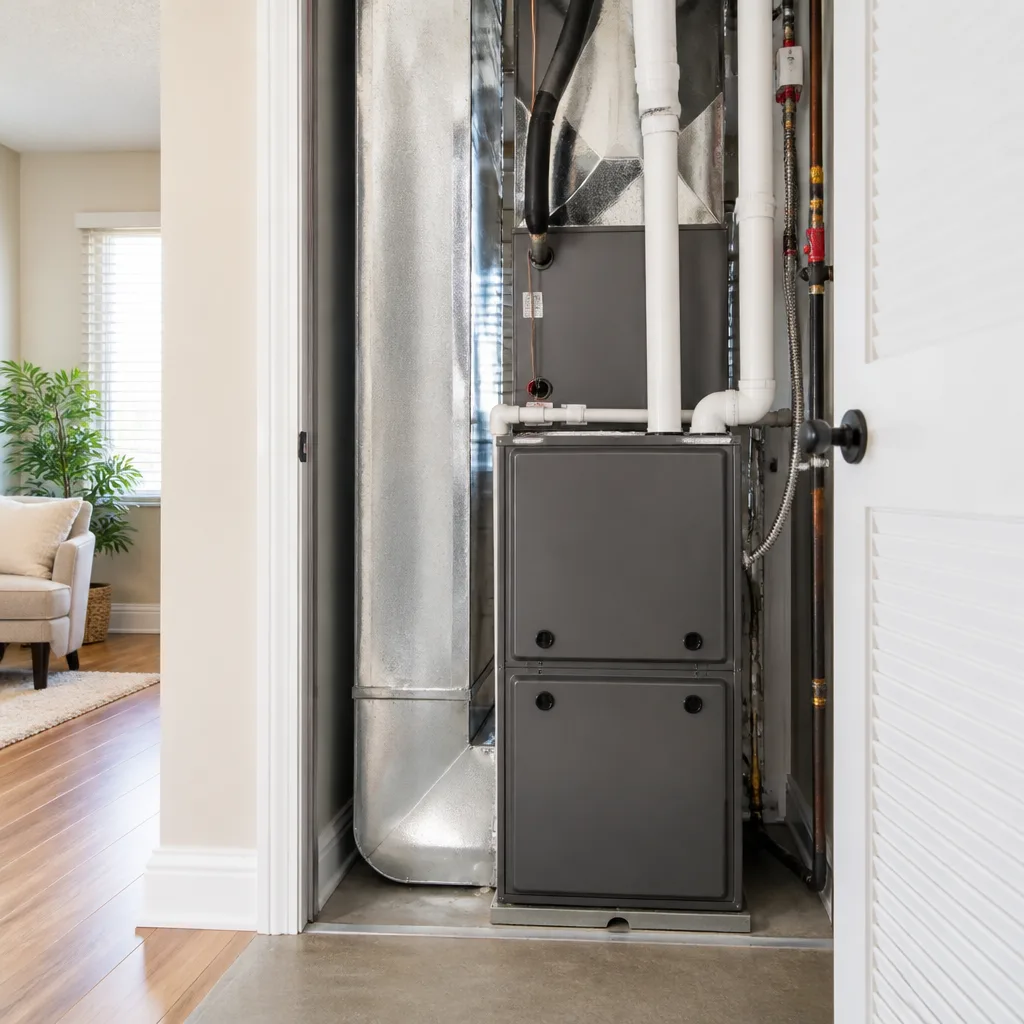
- Locate the drain line. It is a white PVC pipe, usually near the indoor air handler or furnace, with either an open T-fitting or a capped cleanout port.
- Inspect the T-fitting. If you see standing water or stringy green growth at the opening, the line is already partially blocked.
- Flush with a condensate line cleaner or a 50/50 mix of white vinegar and warm water. Pour slowly, about 2 cups. Vinegar kills the biofilm; a strong bleach mix can damage the PVC over time, so avoid it.
- Check the overflow drip pan under the air handler. If there is standing water in the pan, the primary drain is already slow and a professional should inspect the line and the float switch.
- Verify the float switch moves freely. It should click up and down without sticking. A stuck float switch is a false-trip waiting to happen.
A drain line flush costs nothing but fifteen minutes and two cups of vinegar, yet it prevents more Houston AC shutdowns than any other single task. If you’d rather not do it yourself, this check is part of any competent Houston AC tune-up, and AC repair in Houston calls we run for clogged drains are among the most avoidable service visits in the city.
Static Pressure: The Five-Minute Diagnostic That Predicts System Death
Static pressure is the resistance air faces as it moves through your ductwork. It is measured in inches of water column, and it tells you whether your system is breathing easily or suffocating. Most homeowners have never heard of it. Most technicians do not check it on a routine tune-up. But in Houston, where systems run 2,000-plus hours per year against heat and humidity, high static pressure shortens blower motor life, reduces cooling capacity, and can cause coils to freeze on mild days.
The target range for most residential systems is 0.5 inches of water column total external static pressure, give or take 0.1. Anything above 0.8 signals a real problem: a dirty filter, an undersized return duct, a closed-off room, a crushed flex duct in the attic, or an evaporator coil that is so thick with Houston grime it is acting like a wall.
You can check static pressure yourself with a manometer, which is a small digital pressure gauge that costs $40 to $80. The procedure is straightforward:
- Turn the system on with the blower running at full speed.
- Measure the pressure before the filter by inserting one probe into the return duct upstream of the filter.
- Measure the pressure after the filter by inserting the same probe into the plenum on the supply side of the air handler.
- Add the two numbers. Ignore the negative sign on the return side. If the sum is 0.5, the system is healthy. If it is 0.7 or higher, the system is laboring.
A homeowner who can report “my total external static pressure is 0.72 at full blower” will get a very different conversation from an HVAC technician than one who reports “the house just feels stuffy.” It changes the visit from a vague investigation into a targeted repair. In Houston, where many homes still run original ductwork from the 1980s and 1990s, static pressure problems are extremely common, especially in two-story houses in Sugar Land and Katy where the upstairs returns were undersized to begin with. Our techs at Dalton Heating & Air Houston home service calls check static pressure on systems that are short-cycling, freezing, or not keeping up, because it is often the underlying answer the homeowner has been chasing for years.
Coil Cleanliness Standards for Houston’s Specific Airborne Mix
The evaporator coil is a slab of aluminum fins inside the air handler. Air blows over it, the refrigerant inside absorbs heat from that air, and the result is cold air at the registers. In a clean system, air moves freely through the fins and heat transfers efficiently. In a Houston system, the coil becomes a filter for everything that passes through the return grille: oak pollen in February, pine pollen in March, construction dust from the never-ending residential buildup along the Grand Parkway, and a steady coating of organic matter from the humid air itself.
What makes Houston different is moisture. A dry coil lets dust pass through or get blown off. A wet coil, which every Houston evaporator coil is for most of the year, turns that dust into sludge. Within one cooling season, an average Houston evaporator coil can develop a gray-green biofilm that insulates the fins and cuts heat transfer by 20 to 40 percent. That means longer runtimes, higher electric bills, and a compressor that works harder in July.
Coastal salt is a separate issue for homes in League City, Seabrook, La Porte, and Galveston County. Salt aerosols carried on the prevailing southeasterly winds accelerate corrosion on aluminum and copper. A coil that would last 15 years in Spring Branch may last 10 near the bay without regular rinsing.
The check: once per cooling season, or twice if you live near the water or near active construction, have the coil inspected for buildup. A coil that is visibly dirty should be cleaned with a foaming, no-rinse evaporator coil cleaner that is approved for aluminum. A severely impacted coil, the kind where the sludge has worked its way between the fin rows, often cannot be cleaned in place and must be pulled and pressure-washed, which is a half-day job. The easiest way to prevent coil sludge is to stay ahead of filter changes and keep the blower area dry. But even the most diligent filter discipline will not stop Houston humidity from doing what Houston humidity does. Budget for an annual coil inspection as a standard Houston maintenance item, not an optional add-on.
Filter MERV Ratings in High-Humidity Homes: When “Better” Filtration Hurts
MERV stands for Minimum Efficiency Reporting Value. It rates a filter’s ability to capture particles, on a scale from 1 to 16 (and beyond for HEPA-grade media). A MERV 8 filter captures pollen and dust. A MERV 11 captures mold spores and finer particulates. A MERV 13 filter captures a meaningful fraction of virus-sized particles, which is why pandemic-era guidance pushed homeowners toward higher numbers.
In Houston, that guidance has a costly underside. Higher MERV ratings mean denser filter media. Denser media means more airflow resistance. More resistance means higher static pressure. And high static pressure, in a climate where the blower already runs thousands of hours per year, shortens blower motor life and forces the evaporator coil to run colder than design. A coil that runs too cold in a humid home condenses water faster than the drain can remove it, and the excess water freezes on the coil. A frozen coil blocks airflow entirely, and then the compressor slugs liquid refrigerant, and then you have a real repair on your hands.
Most Houston residential systems are designed around a MERV 8 to MERV 11 filter. Going to MERV 13 on a system that was not designed for it can add 0.1 to 0.3 inches of water column to your static pressure, which is enough to push a marginal duct system into problematic territory. If you want better filtration in a Houston home, the solution is not a heavier filter in the same 1-inch slot. It is a 4-inch or 5-inch media cabinet, which has far more surface area and adds far less resistance than a 1-inch MERV 13. A 4-inch MERV 13 can actually have lower pressure drop than a 1-inch MERV 8.
The Texas rule of thumb for filter changes: if you have a 1-inch filter, replace it every 30 days during cooling season regardless of the package’s 90-day claim. Houston’s airborne load is too heavy for 90 days. If you have a 4-inch media filter, check it monthly and plan on replacing it every 3 to 6 months. If you have pets, live near construction, or have a houseful of people during the school year, shorten the interval. And if your system is a heat pump, which we service extensively through our heat pump installation in Houston work, the same filter discipline applies year-round, because the blower runs for both heating and cooling.
The Refrigerant Charge Check That Should Appear on Every Houston AC Invoice
Refrigerant is the cooling fluid that moves heat from inside your house to outside. The charge is the exact amount of refrigerant in the system, specified to the ounce by the manufacturer. Too little, and the coil runs too cold, freezes, and loses capacity. Too much, and the compressor works against back-pressure it was not designed for, which shortens its life and wastes energy.
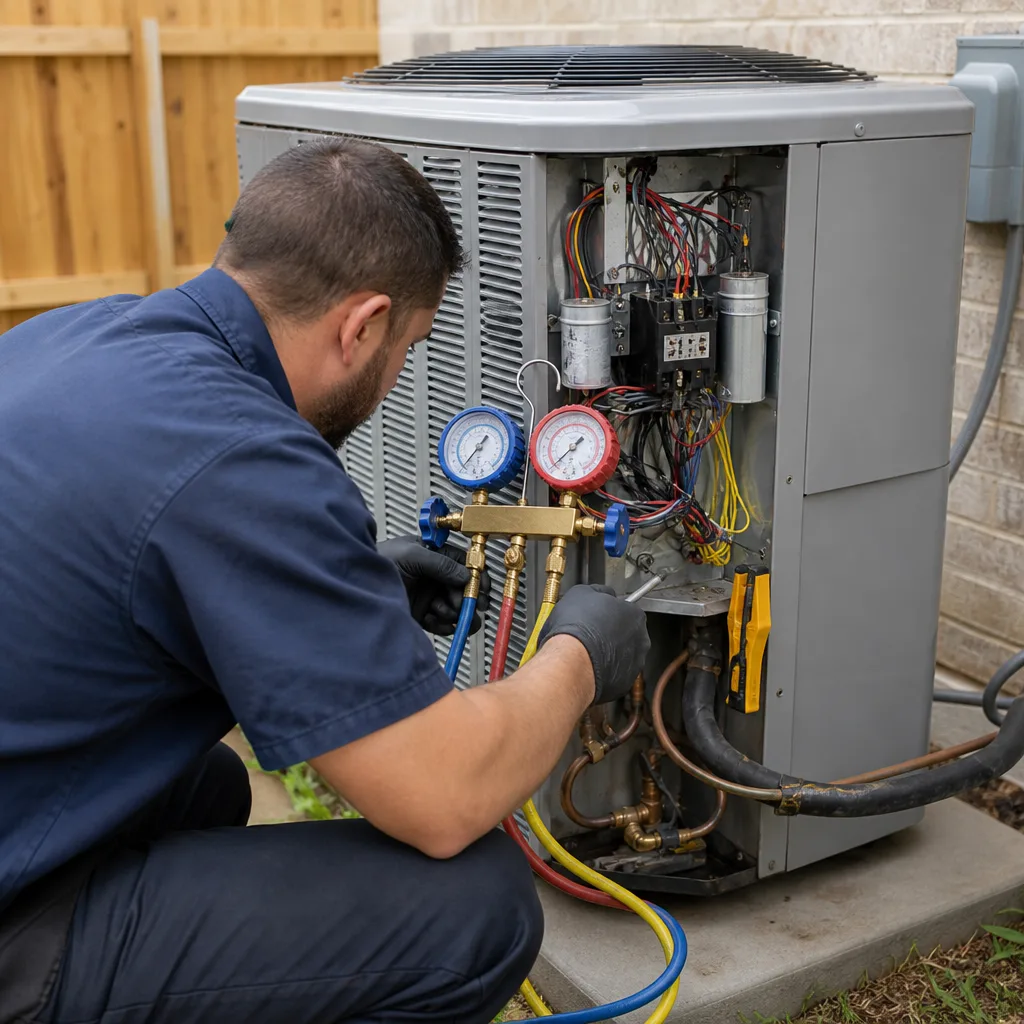
Here is what Houston homeowners need to know: a proper refrigerant charge cannot be verified by “checking the pressures.” That was the old way, and it is not accurate on modern high-efficiency systems with thermostatic expansion valves (TXVs). The correct method is to verify subcooling on systems with a TXV, or superheat on systems with a fixed orifice. Both are measurements of refrigerant temperature at specific points in the system, and both require a technician to measure pressure and line temperature simultaneously, then consult the manufacturer’s charging chart.
When a technician is done, the invoice should show specific numbers. It should list the target subcooling for your system (commonly 8 to 12 degrees on Carrier, Trane, Bryant, and most other major residential brands) and the measured subcooling. If the invoice simply says “checked refrigerant” or “topped off with Freon,” you have not received a charge verification. You have received a guess.
A system that needs refrigerant is a system with a leak. Refrigerant does not get used up like gasoline. It circulates in a closed loop, and if the level is low, there is a hole somewhere. A technician who “tops off” without finding and repairing the leak is selling you a temporary fix that will fail again, probably at the worst possible time in a Houston August. Ask directly: “Did you find the leak, and did you repair it?” If the answer is no, you have not fixed the problem.
On a maintenance visit, the refrigerant check should be quick: verify the subcooling or superheat against the chart, confirm stable pressures, and move on. If the numbers are off, the technician should tell you, show you the numbers, and explain what changed since the previous visit. This is the level of disclosure that a Houston homeowner should expect on every service call, and if you want to know what a quality furnace repair in Houston visit looks like when the system shares the same air handler, the same written-invoice standard applies.
Outdoor Unit Clearance and Coil Hygiene in Houston’s Urban Lots
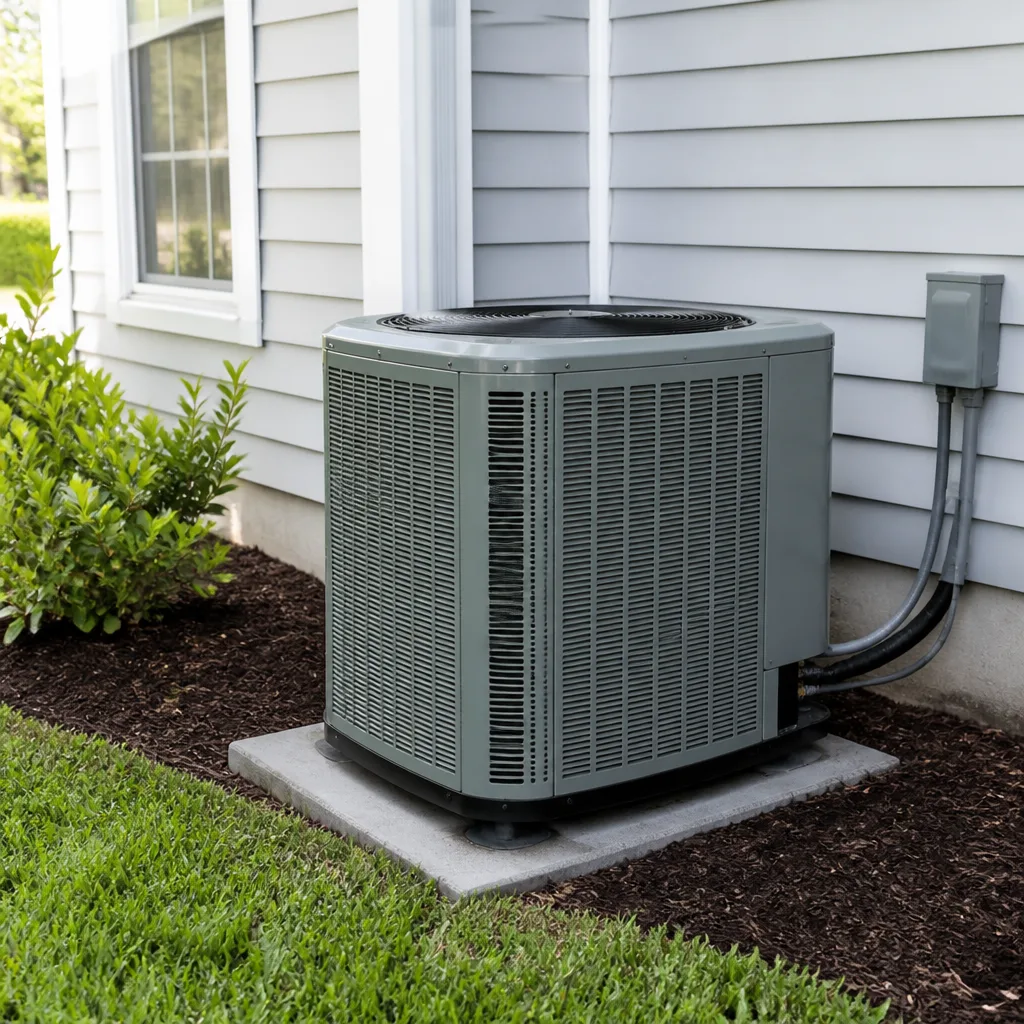
The outdoor condenser is a steel cabinet with a coil wrapped around its perimeter, a fan on top, and a compressor inside. Its job is to reject heat into the outside air, and it cannot do that job if the coil is buried in grass clippings, dog hair, cottonwood fluff, or the leaves that fall in Houston in November and December. A dirty condenser coil raises head pressure, which makes the compressor work hotter, which shortens its life. Compressors are the single most expensive residential AC component to replace, so condenser maintenance is a financial protector.
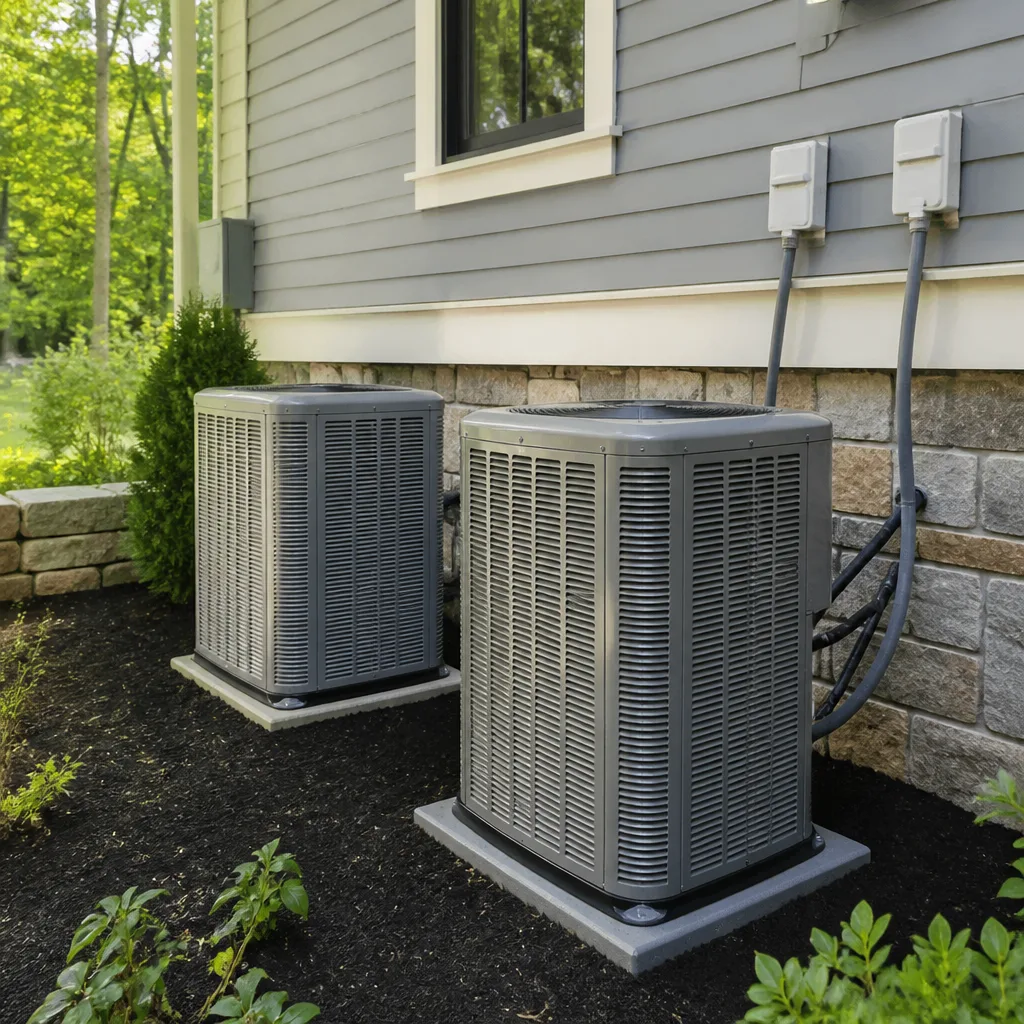
Houston lots are often tight. Condensers get squeezed between houses, installed under second-story eaves, or boxed in by fences so the builder could maximize square footage. The result is a condenser that recirculates its own hot exhaust air, which is called short-circuiting, and it reduces capacity in the exact weather when capacity matters most.
The maintenance standard:
- Clearance: Maintain at least 24 inches of open space around the condenser on all sides, and at least 4 to 5 feet of clearance directly above the fan. If a fence, hedge, or wall has grown into the space, trim it back or relocate the unit. A condenser that recirculates hot air in August works like a window unit inside a closed room.
- Coil cleanliness: Once per season, rinse the exterior coil with a garden hose from the inside out, using a gentle spray, not a pressure washer. A pressure washer folds the aluminum fins flat and reduces airflow permanently. If the coil is visibly caked, use a foaming condenser coil cleaner, let it sit, and rinse.
- Fin inspection: Look for bent fins, which happen from weed trimmers, hail, and errant baseballs. A fin comb can straighten minor damage. Severe fin damage over more than 10 to 15 percent of the coil surface warrants replacement or a professional fin repair.
- Level check: A condenser that has settled on one side puts strain on the compressor mounts and can cause oil to migrate away from the compressor bearings. Check with a bubble level. Shim as needed.
Install quality matters too. A condenser that was properly installed by a crew that held to a published standard, the way Dalton Heating & Air Houston operates under The Garrison Standard on every job, tends to have the clearances and line routing done right from day one. Units that were thrown in on a builder-grade schedule tend to need more ongoing correction.
Electrical Connection Checks That Prevent Houston’s Peak-Season Surge Failures
Houston has thunderstorms, and thunderstorms mean power surges. Some of those surges come through the grid. Some come from nearby lightning strikes. And some come from your own system, every time the compressor contactor pulls in and the motor’s starting current spikes. All of it takes a toll on electrical connections over time.
Loose electrical connections create resistance. Resistance creates heat. Heat loosens the connection further, which creates more resistance. It is a cycle that ends in a burned wire, a melted terminal, a failed capacitor, or a toasted contactor, almost always on the hottest day when the system is drawing maximum current. A connection that was fine in March can become a failure by July simply from thermal cycling.
The maintenance checklist for the electrical side of a Houston AC:
- Visually inspect the disconnect box near the condenser. Any signs of melting, scorching, or corrosion mean the disconnect needs replacement.
- Tighten the line-voltage connections at the contactor and the capacitor. Torque specs exist for these terminals, and a technician with a torque screwdriver can hit them precisely.
- Test the capacitor under load. Capacitors are the most replaced electrical component in an AC, and they fail gradually. A capacitor that tests under 90 percent of rated microfarads is on the way out and should be replaced proactively in a Houston climate, not waited on.
- Inspect the contactor for pitted or welded contacts. A contactor that is arcing is a fire point waiting to happen.
- Check the condenser fan motor for bearing noise. A motor that is noisy in May will often seize in August.
None of this is DIY work if you are not comfortable inside a live electrical panel. These are checks that belong on a professional tune-up, and the invoice should reflect what was checked and what was found. Under The Garrison Code, a Dalton technician documents what was tested and leaves the site clean, the same discipline that applies to every furnace repair in Houston we complete.
Common Mistakes Houston Homeowners Make With AC Maintenance
- Treating the filter as a yearly task. Houston’s heat, humidity, and pollen load make a 30-day 1-inch filter change a necessity during cooling season, not a suggestion on the packaging.
- Overlooking the condensate drain because “nobody mentioned it.” This is the mistake that leads to July shutdowns. If your maintenance visit does not include a drain flush, it is not a complete Houston maintenance visit.
- Upgrading to a high-MERV filter without accounting for static pressure. The filter improves air quality on paper and robs the system of airflow in practice. The result is a frozen coil and a service call that feels like a mystery.
- Accepting “we added a pound of refrigerant” without a leak search. A sealed system that is low has a hole. Adding refrigerant without finding the hole is a bandage on a wound that reopens.
- Pressure-washing the condenser coil. It looks satisfying and it flattens the fins into an airflow-blocking mat. Rinse gently or use a foam cleaner.
- Skipping maintenance because “the system is running fine.” Most Houston AC failures are not sudden. They are gradual: the capacitor weakens, the drain narrows, the coil slimes over. The system runs fine right up until it doesn’t, and then it fails in the worst possible weather.
- Using a one-size-fits-all national checklist. A checklist written for Phoenix or Minneapolis does not account for Houston’s humidity, Houston’s salt, Houston’s storms, or Houston’s construction dust. The list above is sequenced for Houston, and the order matters.
When to Call a Professional
Some maintenance is homeowner work: changing filters, flushing drains, rinsing coils, checking clearance. Some is professional work: refrigerant verification, electrical torque checks, static pressure diagnosis, and anything inside the electrical panel or the sealed refrigerant system. The line between the two is licensed work and safety. Refrigerant handling requires EPA Section 608 certification. Live electrical work inside a disconnect or air handler is genuinely dangerous and not worth the hospital bill. If your system is freezing, if the drain pan is overflowing, if the capacitor is bulging or the contactor is pitted, or if you simply have not had a complete Houston-specific tune-up in the past year, Dalton Heating & Air Houston offers free estimates in Houston – call (903) 494-7686 to schedule a visit. Every job includes a written price before work begins, no exceptions.
Frequently Asked Questions
Every 60 to 90 days during cooling season, which in Houston runs March through November. Gulf Coast humidity produces far more condensate than manufacturer guidelines assume, and a line that was clean in spring is often clogged by early summer.
MERV 8 to MERV 11 is the sweet spot for most Houston residential systems. Higher MERV ratings in a 1-inch filter restrict airflow, raise static pressure, and can cause coil freezing in humid air. If you want better filtration, opt for a 4-inch media cabinet with MERV 13 instead.
Ask your technician for the subcooling or superheat numbers. The invoice should list the target value and the measured value. If it only says “checked refrigerant” or “added Freon” without specific numbers, the charge was not properly verified.
Freezing on a hot day is almost always airflow-related: a dirty filter, a clogged coil, closed supply vents, or high static pressure from undersized ductwork. Low refrigerant can also cause freezing, but airflow problems are the more common culprit in Houston homes.
Yes. A dirty condenser coil raises head pressure, which makes the compressor work hotter than designed. The compressor is the most expensive component to replace, and condenser neglect is a direct cause of premature compressor failure in Houston’s cooling load.
No. Houston’s cooling season runs nine-plus months and the system logs far more hours than a system in a temperate climate. At minimum, plan for a spring tune-up before the heat arrives and a mid-summer check on the drain, filter, and condenser coil. AC repair in Houston is most preventable when maintenance intervals match the climate.
The Bottom Line
Houston AC maintenance is not a generic national checklist applied locally. It is a specific sequence of checks built around what actually fails in this climate: condensate drains that clog in weeks, coils that grow biofilm in humid air, filters that cannot keep up with Houston’s particulate load, and electrical connections that degrade under peak-season heat. The checks in this guide are ordered by failure risk, not by sales convenience. Do the homeowner-level tasks on a Houston schedule, insist on documented refrigerant and electrical verification from a professional, and the system will reward you with more summers of service. When you do need a professional, Dalton Heating & Air Houston provides written pricing before any work begins and a full-year written guarantee on every repair. Call (903) 494-7686 for a free estimate.
Written by Marco Benitez, Owner at Dalton Heating & Air Houston, serving Houston since 2003.
See the difference
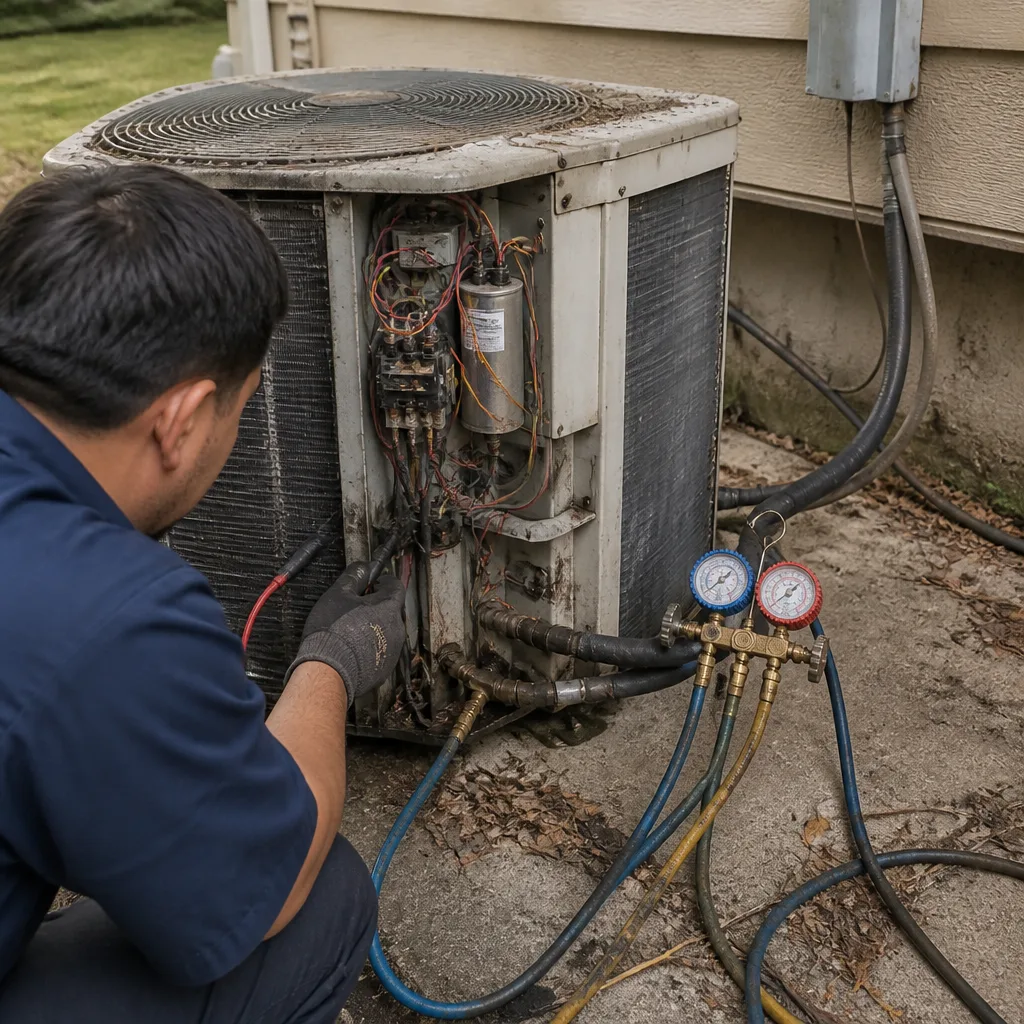 Before
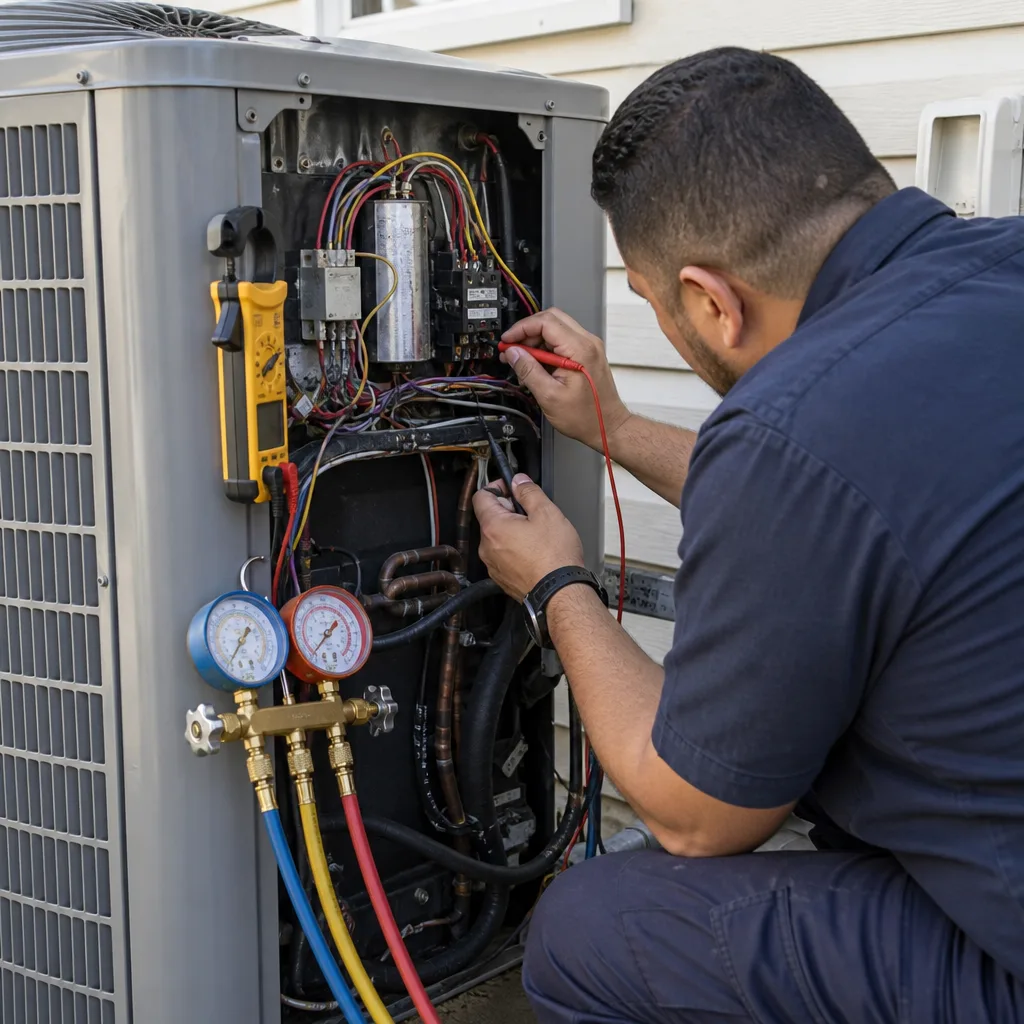 After
After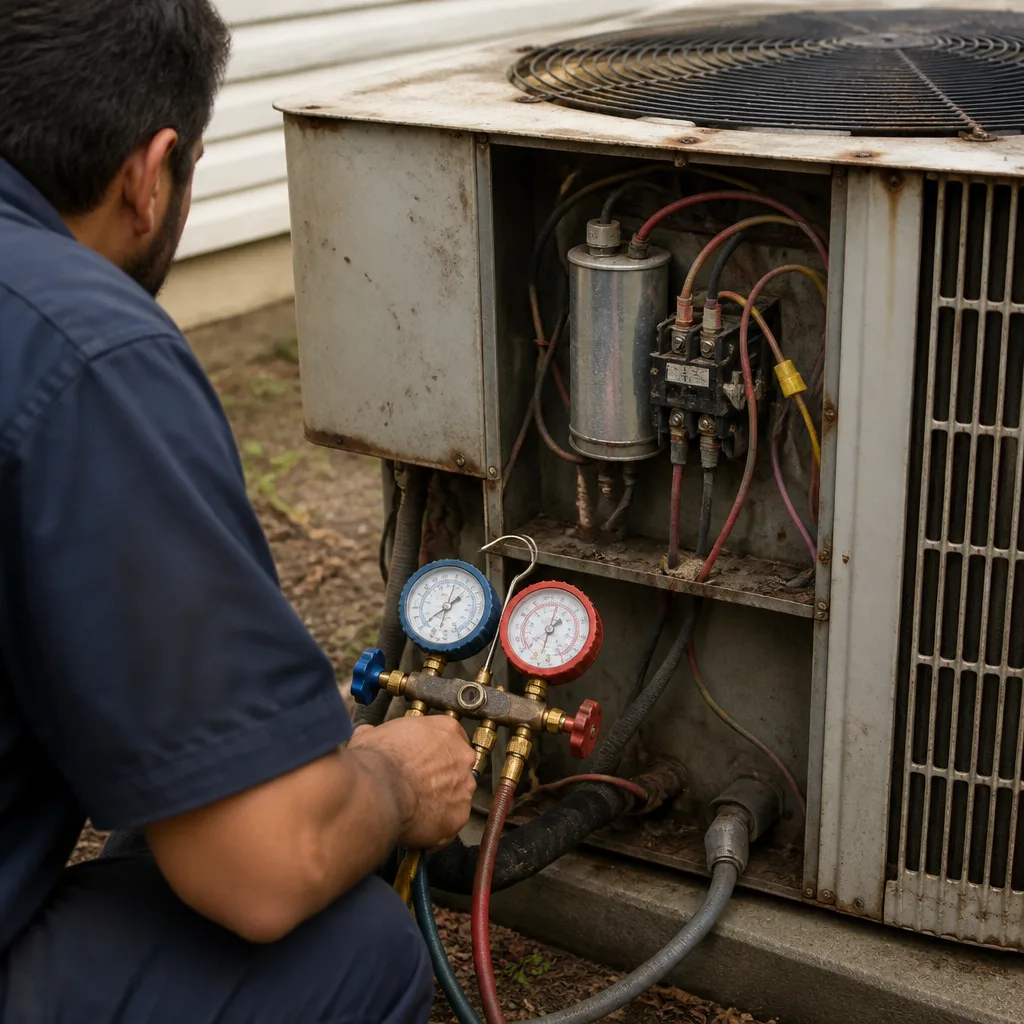 Before
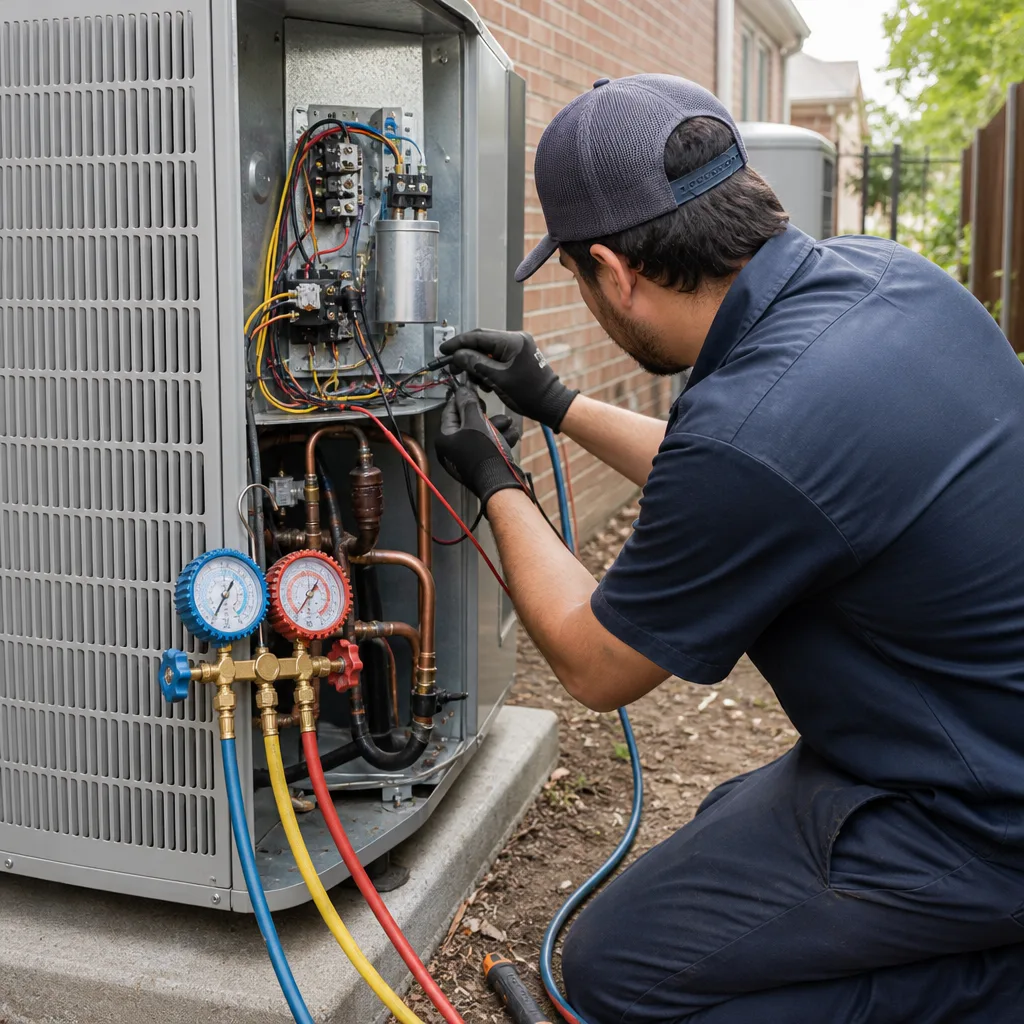 After
After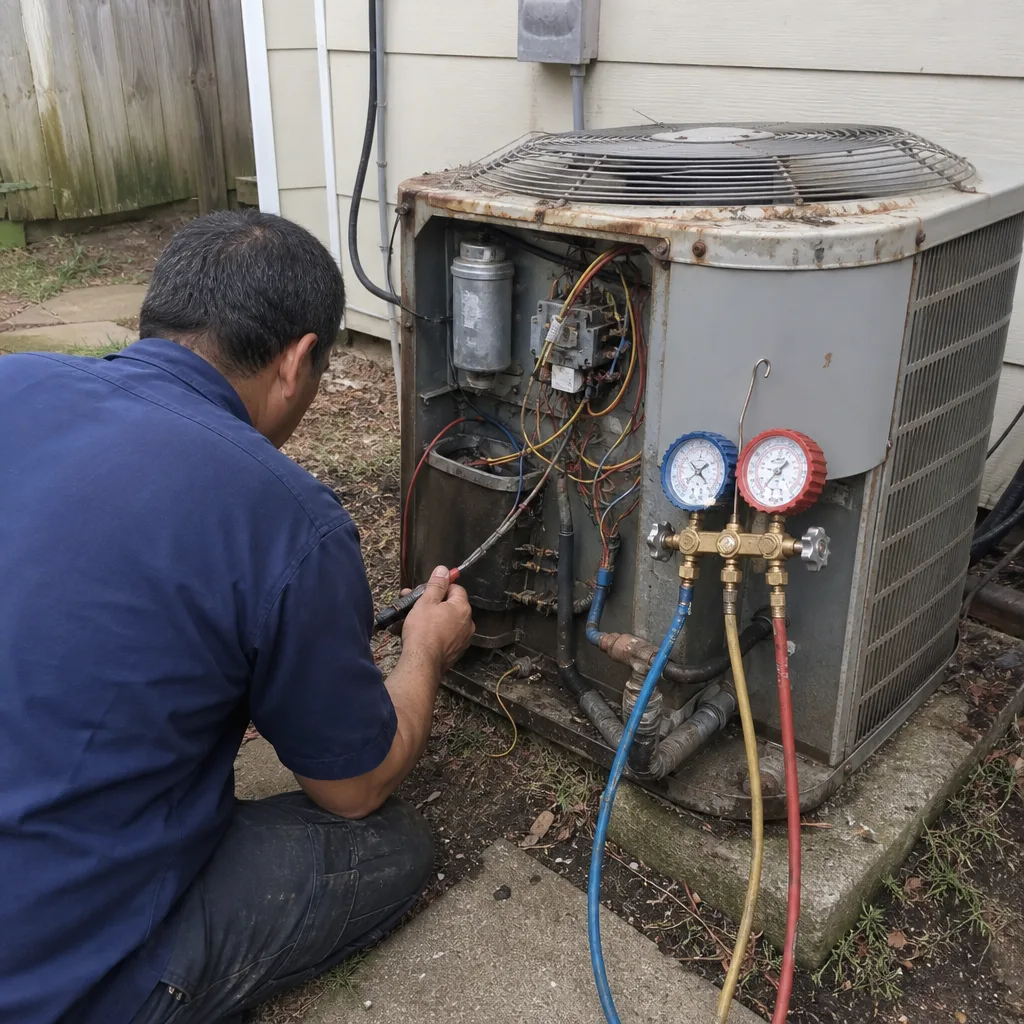 Before
 After
After