
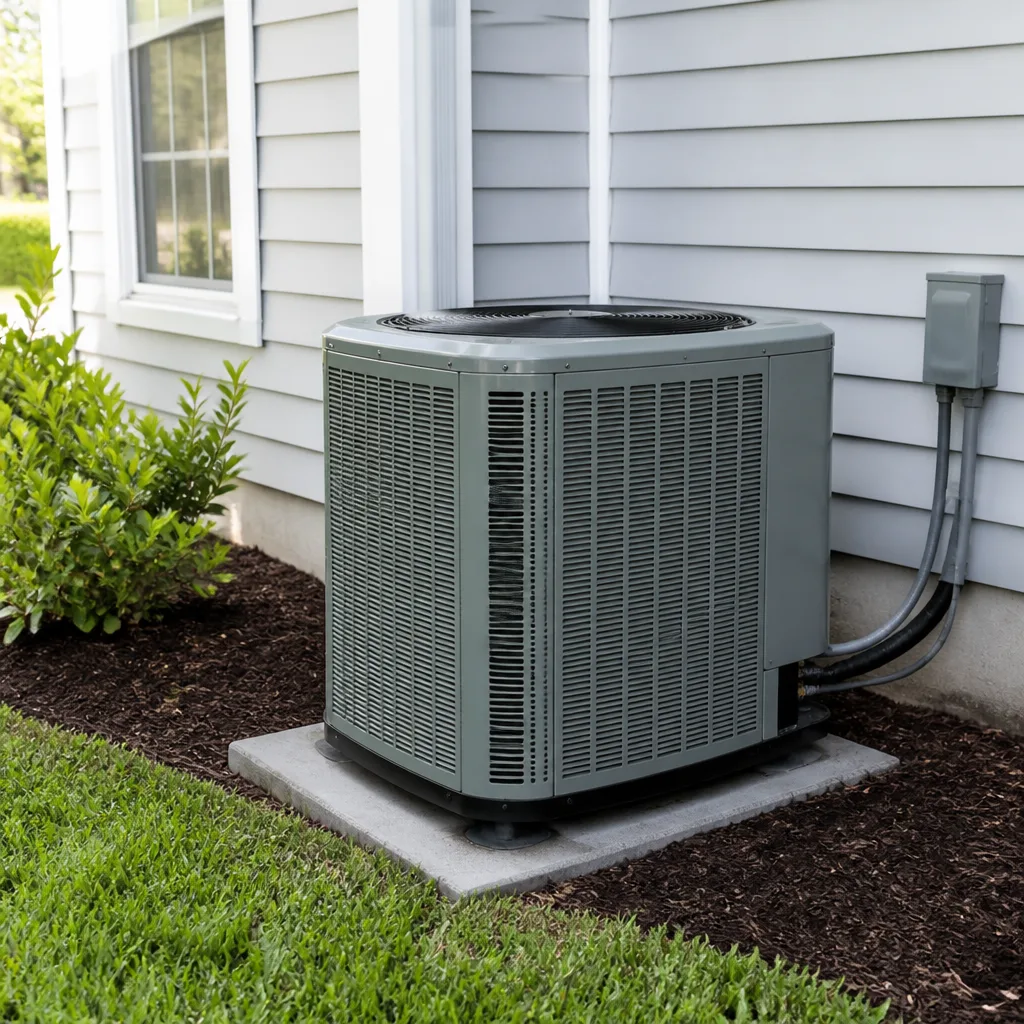
 AC repair
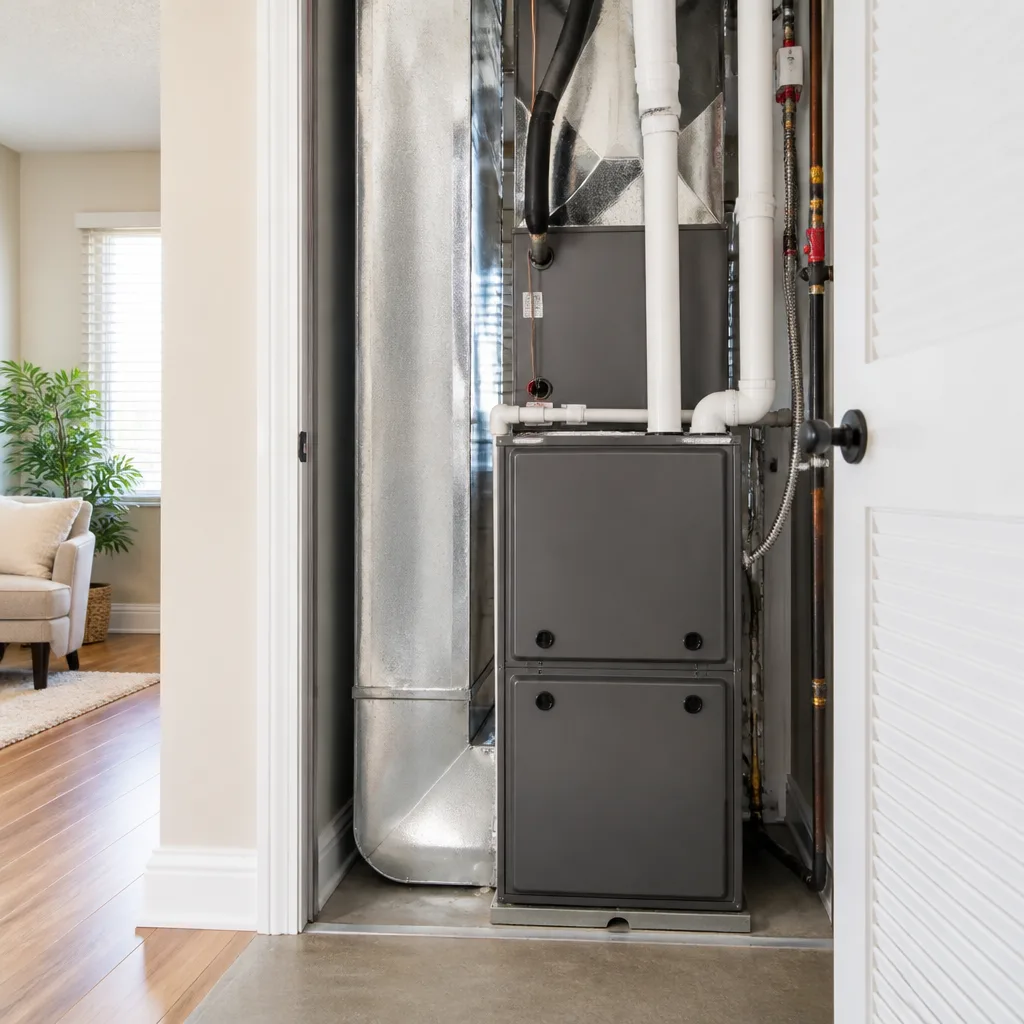 Furnace & heating
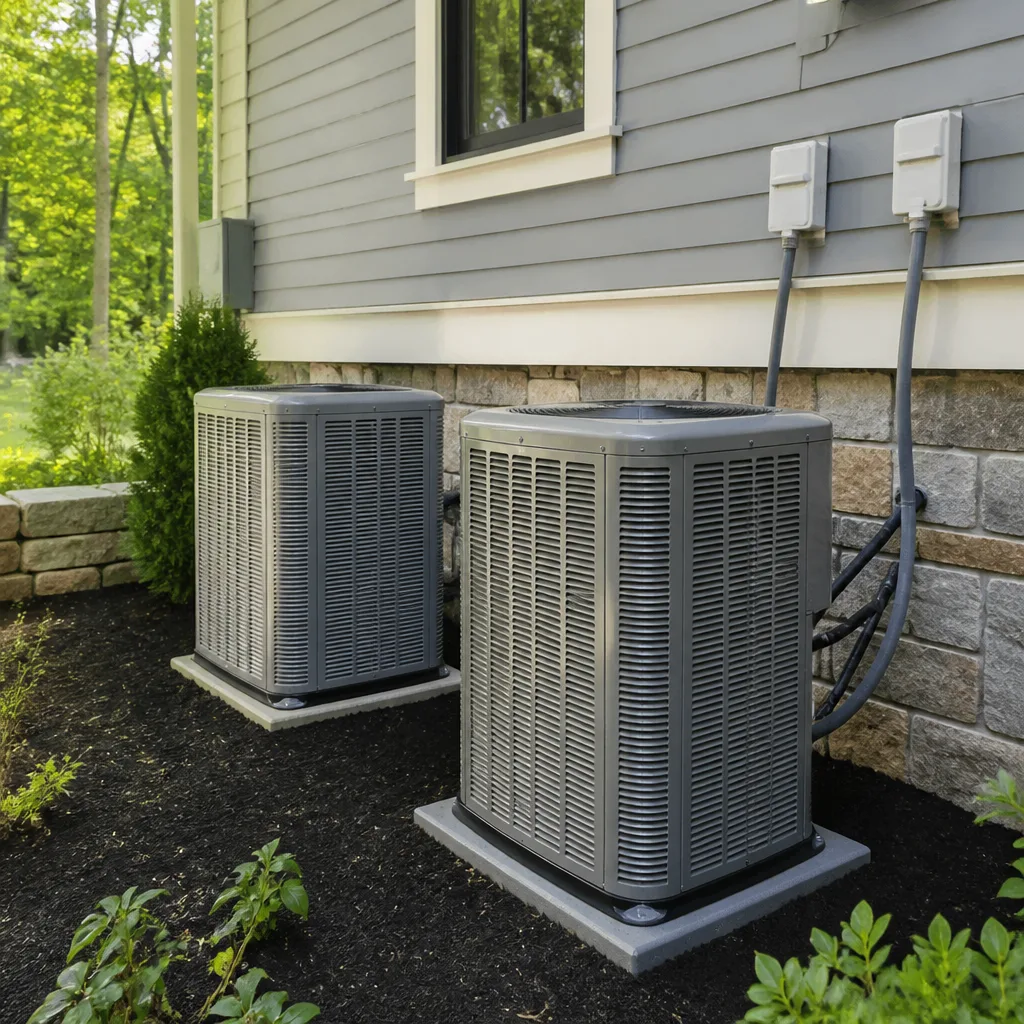 Heat pumps
 Ductless mini splits
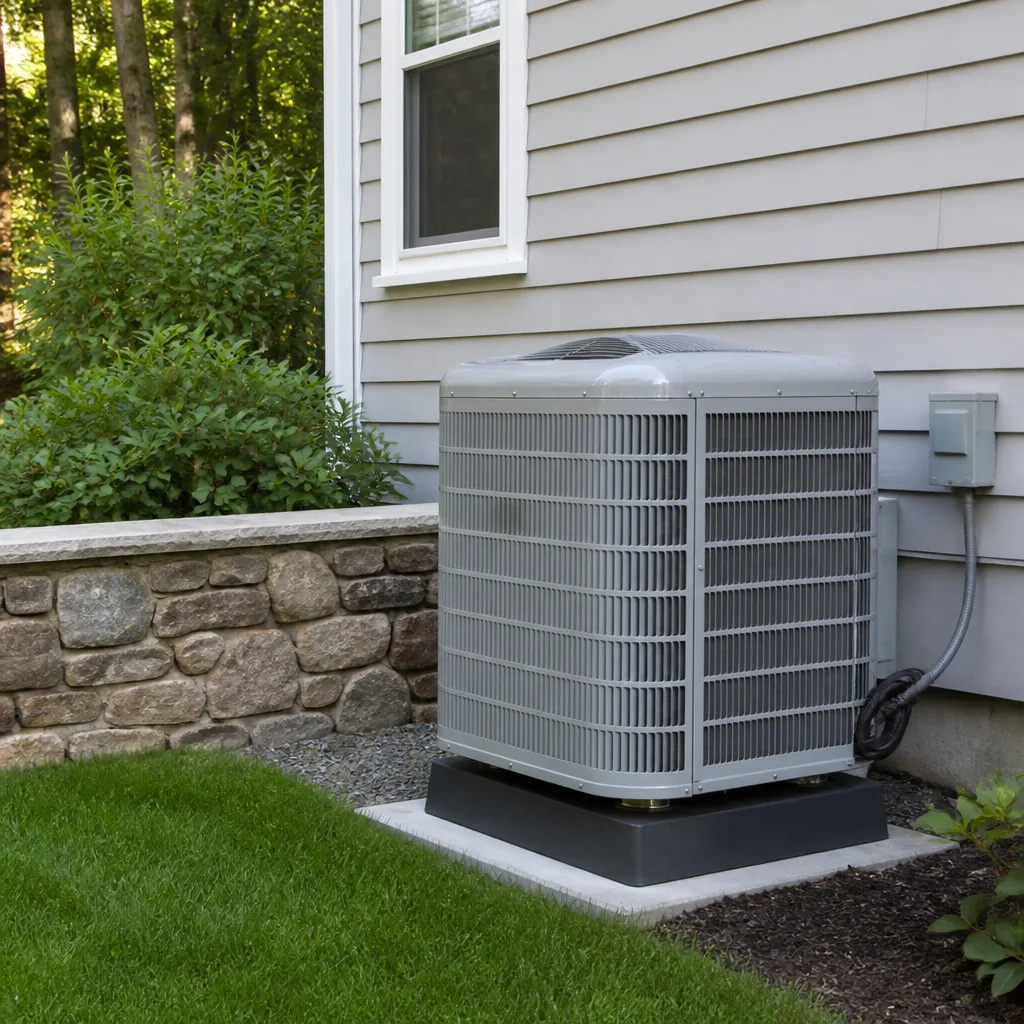 Carrier
 Trane
Trane Goodman
Seasonal tune-up and full diagnostic on your Carrier, Trane, or Goodman system - readings shown to you before any repair is proposed
Diagnosis first, numbers second - you approve the repair price before a single part goes in.
Get your free estimateCarrier Ductwork Repair: The Houston Owner’s Guide
Carrier ductwork repair in Houston typically runs $150 – $650 depending on what failed – a separated plenum connection, crushed flex run, failed mastic seal, or a rusted-out sheet metal section that needs replacement. We stock Carrier-compatible duct fittings, collars, mastic, and flex duct on our trucks and can handle most ductwork repairs same day when you call before noon.
Most homeowners find out their ductwork has failed the hard way: one bedroom stays ten degrees warmer than the rest of the house, the electric bill jumps $80 in a single month, or a musty smell comes out of the vents every time the AC cycles on. In Houston, where your air handler pushes air through ductwork in a 140-degree attic, small duct failures turn into big comfort problems fast. A 12-inch tear in a flex duct is pulling 140-degree attic air into your supply stream. Your Carrier system is doing its job. The ductwork isn’t.
Marco Benitez has spent nearly two decades tracing comfort complaints back to the ductwork before touching the equipment. “Tell me what the system is doing, and I’ll tell you what it needs – not what sells,” is how he puts it. That means checking static pressure, inspecting plenum connections, and measuring airflow before quoting any repair.
Which Carrier Models This Applies To
Ductwork isn’t model-specific like a control board or an inducer motor. If your home has a Carrier system – whether it’s an Infinity series with a variable-speed air handler, a Performance series split system, or a Comfort series builder-grade unit – the ductwork connecting to it runs on the same principles and fails in the same ways. The compatibility question isn’t about the Carrier model number. It’s about duct size, material, insulation rating, and static pressure requirements.
Here’s the gotcha most homeowners miss: Carrier’s variable-speed air handlers can mask duct problems for years because they ramp up and down to compensate for airflow restrictions. A single-stage system will show a failing duct as uneven temperatures right away. A variable-speed Infinity system will quietly work harder and use more electricity, and you won’t notice until the ductwork has deteriorated badly. That’s why we check duct condition as part of any repair estimate on a Carrier variable-speed system, even if the complaint is something else entirely.
When we need to match duct components, we look at three things: the duct’s diameter or dimensions, the insulation R-value, and the connection type – flex-to-collar, sheet-metal-to-plenum, or ductboard-to-boot. For most Houston homes with Carrier equipment, we use R-6 flex duct minimum and R-8 where the attic runs are exposed to the worst summer heat. We install both OEM-equivalent Carrier-branded duct components and quality aftermarket equivalents from suppliers we’ve vetted over years of Houston summer service. The aftermarket options are typically 20 – 30% less expensive with identical performance specs. We’ll quote both and let you decide.
Styles & brands we work with
Signs Your Carrier Ductwork Is Failing
- One room won’t hold temperature. A disconnected or crushed flex run is starving that room of airflow. In most Houston homes we see this in bonus rooms over garages or upstairs bedrooms at the end of long trunk lines. The duct has either separated at a collar or is kinked from a poor original install.
- Dust accumulates faster than it used to. A torn return duct is pulling attic air and attic dust directly into your system and blowing it through the house. Check the tops of door frames and ceiling corners near vents. If dust builds up a week after cleaning, suspect a return-side duct leak.
- Your electric bill spiked without a rate change. A leaky supply duct is dumping conditioned air into the attic. Your Carrier system cools the house, sure – but it’s also cooling the insulation. Houston attic temps hit 130+ degrees in July. Every cubic foot of cooled air lost there is money.
- You smell something musty or stale when the AC runs. A duct leak on the return side pulls air from wherever the leak sits – damp crawlspaces, attics with old insulation, wall cavities. That air goes straight through your coil and out your vents. The smell is the attic or crawlspace telling on itself.
- Whistling or rushing air noise that wasn’t there before. High static pressure from a crushed or undersized duct forces air through smaller openings faster. Noise is airflow under stress. If your Carrier system sounds like it’s working harder than it used to, it probably is.
See the difference
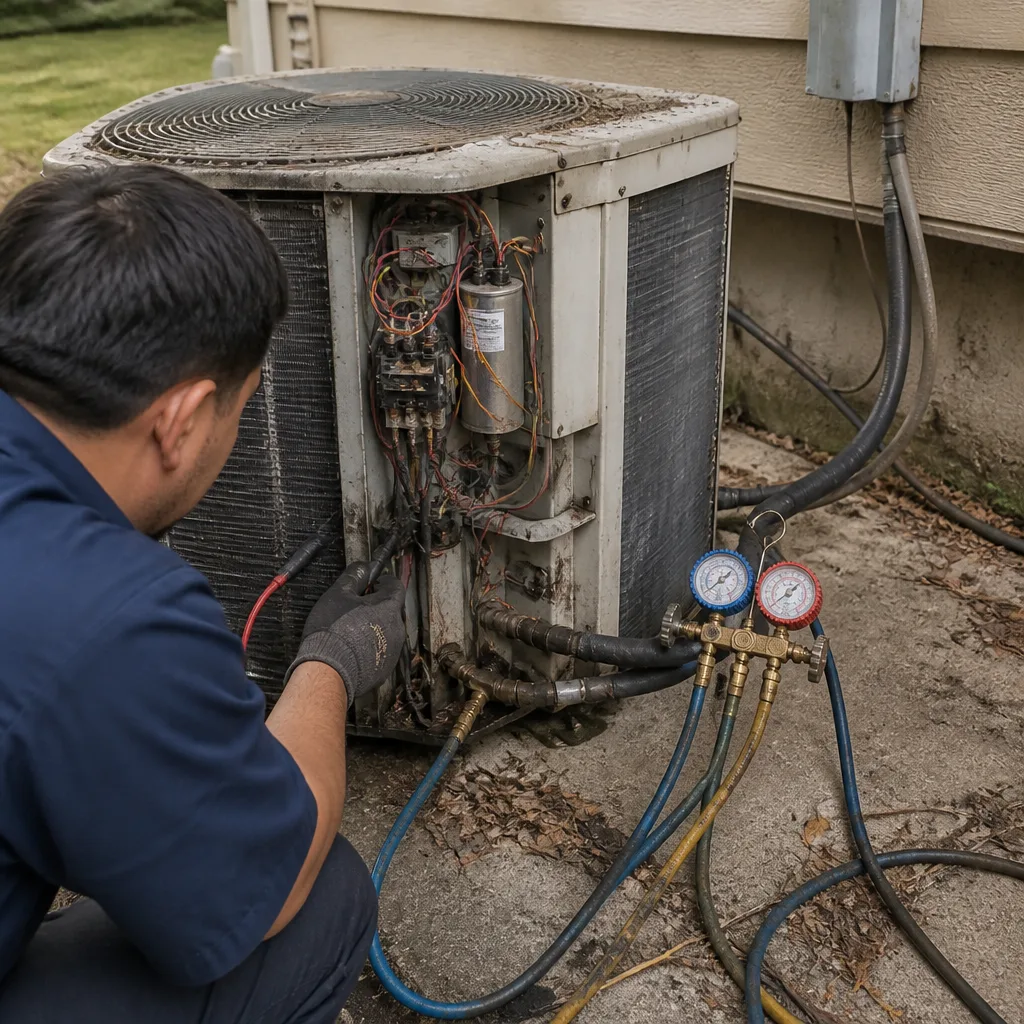 Before
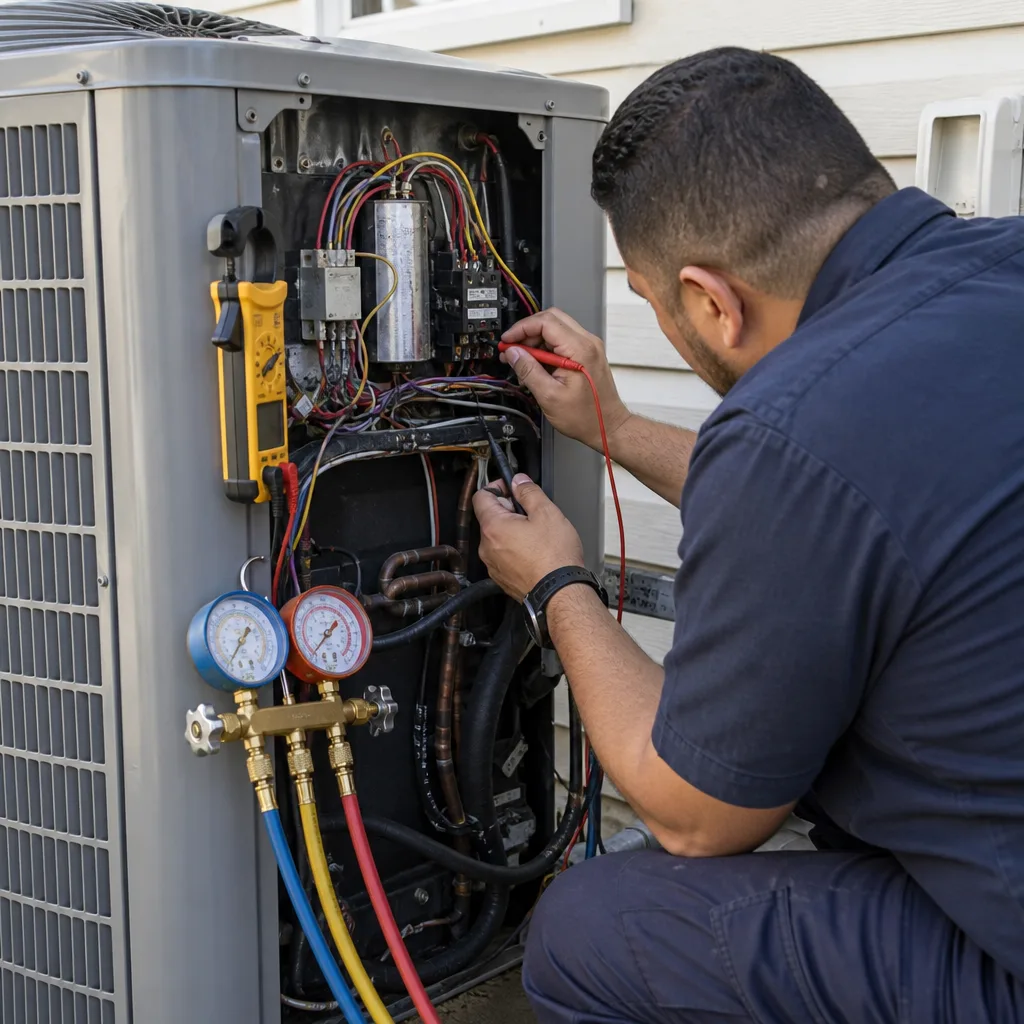 After
After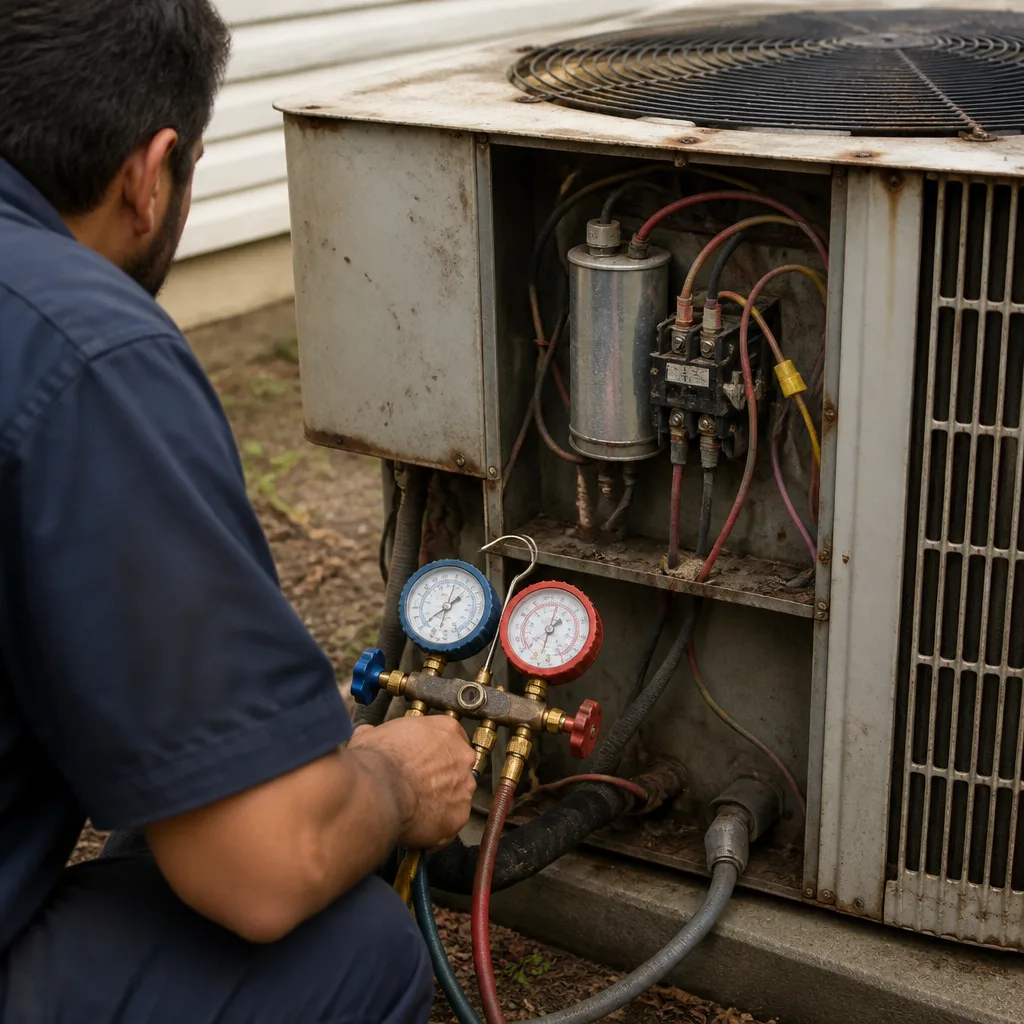 Before
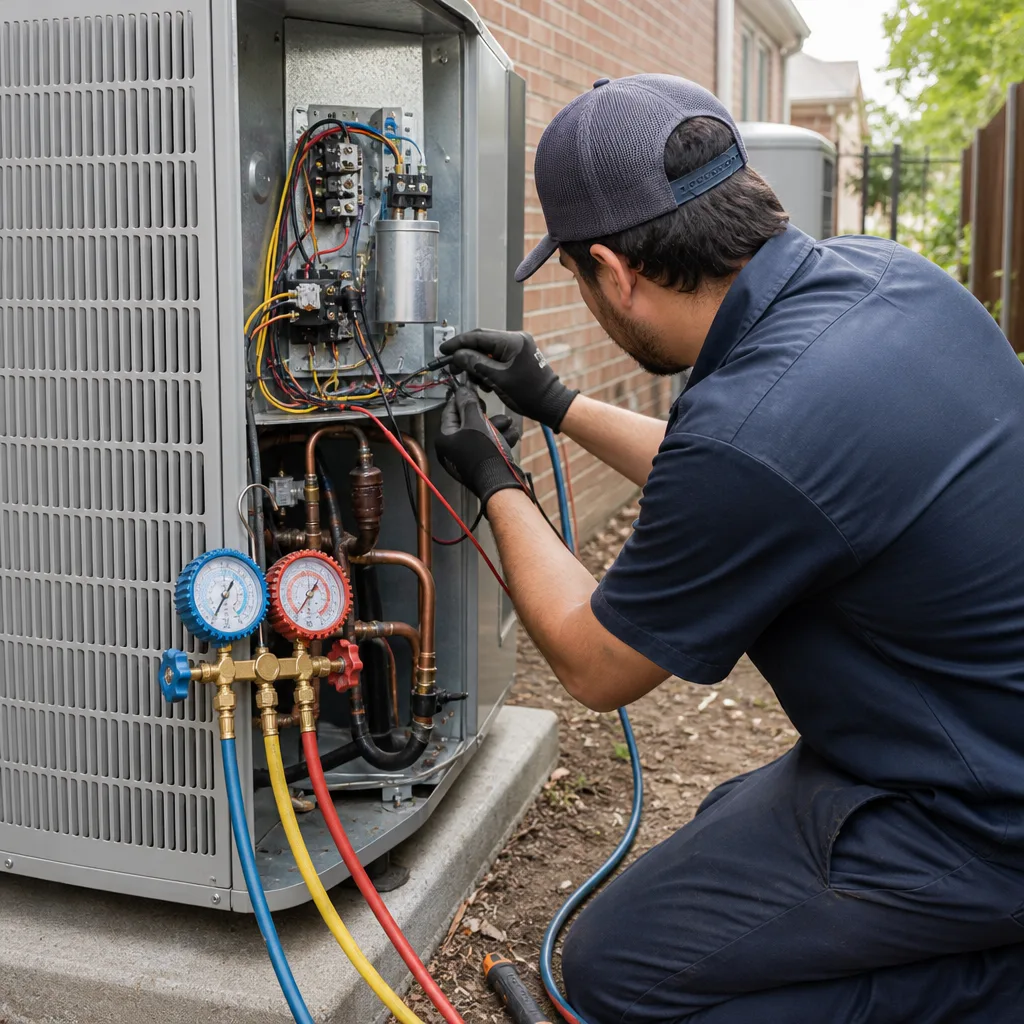 After
After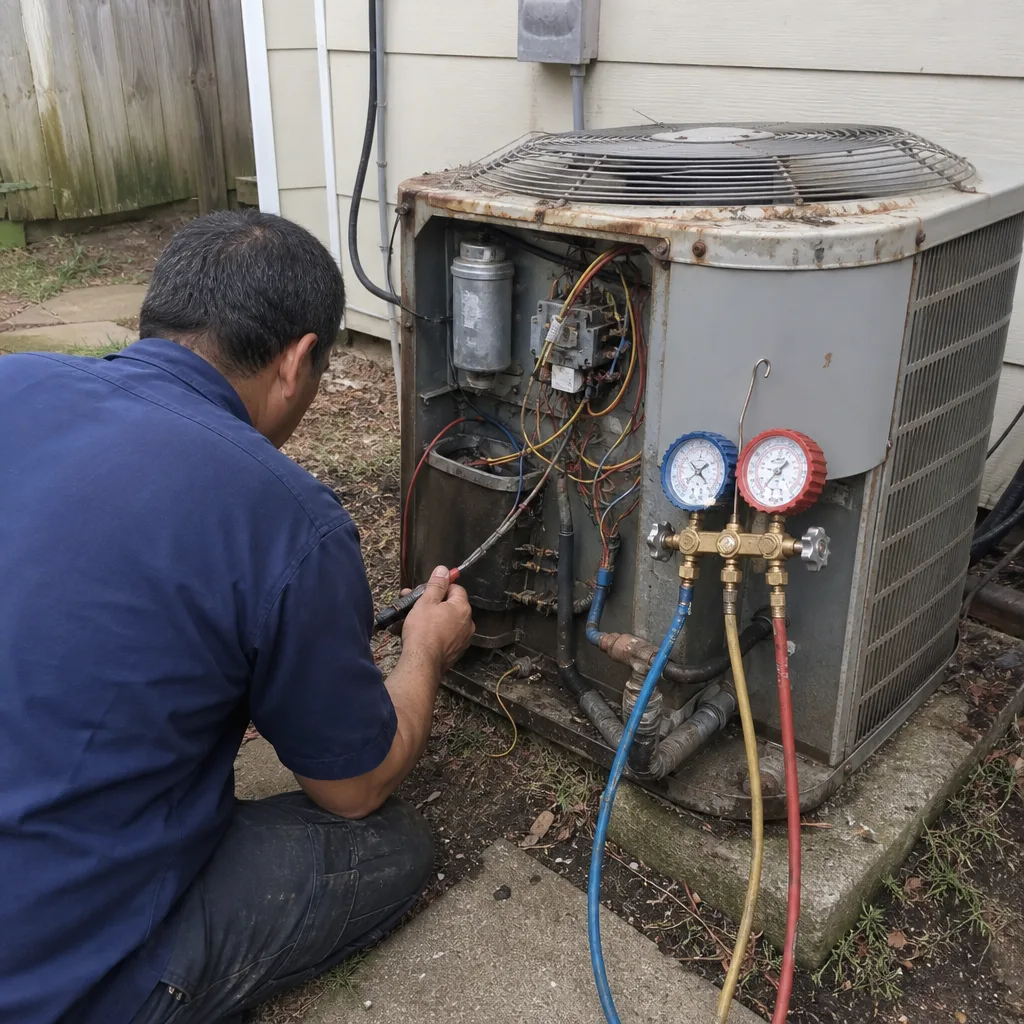 Before
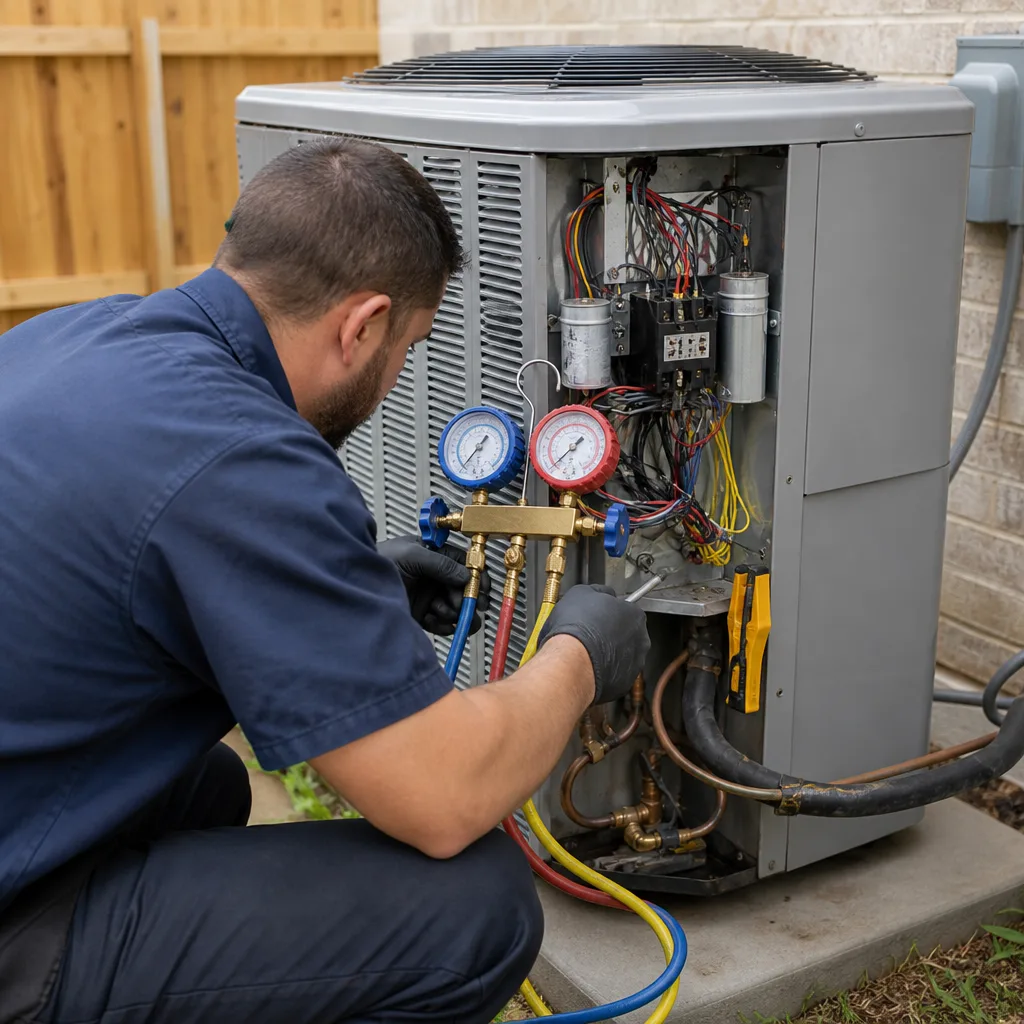 After
AfterReplacement Cost & What’s Included
Here’s what ductwork repair costs in Houston, based on the jobs we do week in and week out:
- Seal a separated duct collar or plenum connection: $150 – $300. Includes mastic, fasteners, and a static pressure check after the repair.
- Replace a section of crushed or torn flex duct (up to 25 feet): $250 – $500. Includes new R-6 or R-8 flex, collars, hangers, and mastic sealing at both ends.
- Repair or replace a rusted sheet metal supply plenum: $350 – $650 depending on accessibility and whether the air handler has to come out. Houston humidity rusts uninsulated plenums fast – we see this constantly in homes built before 1990.
- Full duct inspection with airflow measurement and leak identification: $80 – $200, credited toward the repair if you proceed same day.
Every ductwork repair from Dalton Heating & Air Houston includes a written price before any work starts, a written guarantee on the repair for a full year, and a free return visit if the repair fails within that year. If the duct section fails again in that time, we come back at no charge. That’s The Garrison Standard – it’s been in place since 2003 and applies to every job we do, including yours. No exceptions, no fine print.
DIY or Call Us?
Let’s be straight about what’s safe to do yourself and what isn’t. You can check a few things: feel for air leaks where visible ducts meet the ceiling registers, look for disconnected flex duct in an accessible attic with good lighting and adequate flooring to stand on, and compare airflow between rooms. These are diagnostics – not repairs – and they can help you describe the problem over the phone.
But we don’t recommend DIY duct repair for one reason: a bad duct repair silently makes the problem worse. Ducts operate under pressure. Tape that isn’t rated for ductwork dries out and releases in 6 – 12 months. Mastic applied without cleaning the surface first fails within a year. An under-supported duct sags and pulls itself apart. In a Houston attic in August, a failed repair is a comfort problem you won’t discover until the next heat wave. Ductwork runs through fiberglass attic insulation – working in one safely means wearing proper protection and knowing where you can and cannot step. One foot through a drywall ceiling costs more than any duct repair we do.
If the repair fails because of our workmanship, we return and fix it free for a full year. That’s the guarantee. Call (903) 494-7686 and we’ll get a technician out with the right materials, the right tools, and a written price before anything gets touched.
FAQs
Expect flex duct to last 10 – 15 years in Houston’s heat and humidity before the insulation breaks down and leaks develop. Sheet metal runs can last 30+ years if properly sealed and insulated, but connections and plenums usually need resealing or replacement well before that. Homes built in the early 2000s with original flex duct are due for a full inspection now.
Localized failures – a separated collar, a torn section under 25 feet, a failed plenum connection – can be repaired for $150 – $500 and perform like new. Whole-home duct replacement is a different job, typically running several thousand dollars, and we’ll tell you honestly if you’re at that point during the diagnosis. We won’t quote a patch job on ductwork that’s too far gone.
Most duct repairs take 2 – 4 hours from arrival to done, including static pressure testing after the repair confirms the fix. Larger jobs like plenum replacement can run 4 – 6 hours. We schedule a specific window, arrive on time, and leave the site clean – that’s part of The Garrison Code.
Yes. Every Dalton Heating & Air Houston truck carries R-6 and R-8 flex duct in common sizes, collars, mastic, foil tape, hangers, and sheet metal for plenum repairs. We also keep Carrier-compatible duct fittings on hand, along with components for Trane and Lennox systems. Most repairs are completed same day in one visit. Call (903) 494-7686 and we’ll confirm what we can do before we arrive.
Written by Marco Benitez, Owner, Dalton Heating & Air Houston at Dalton Heating & Air Houston, serving Houston and nearby areas.