
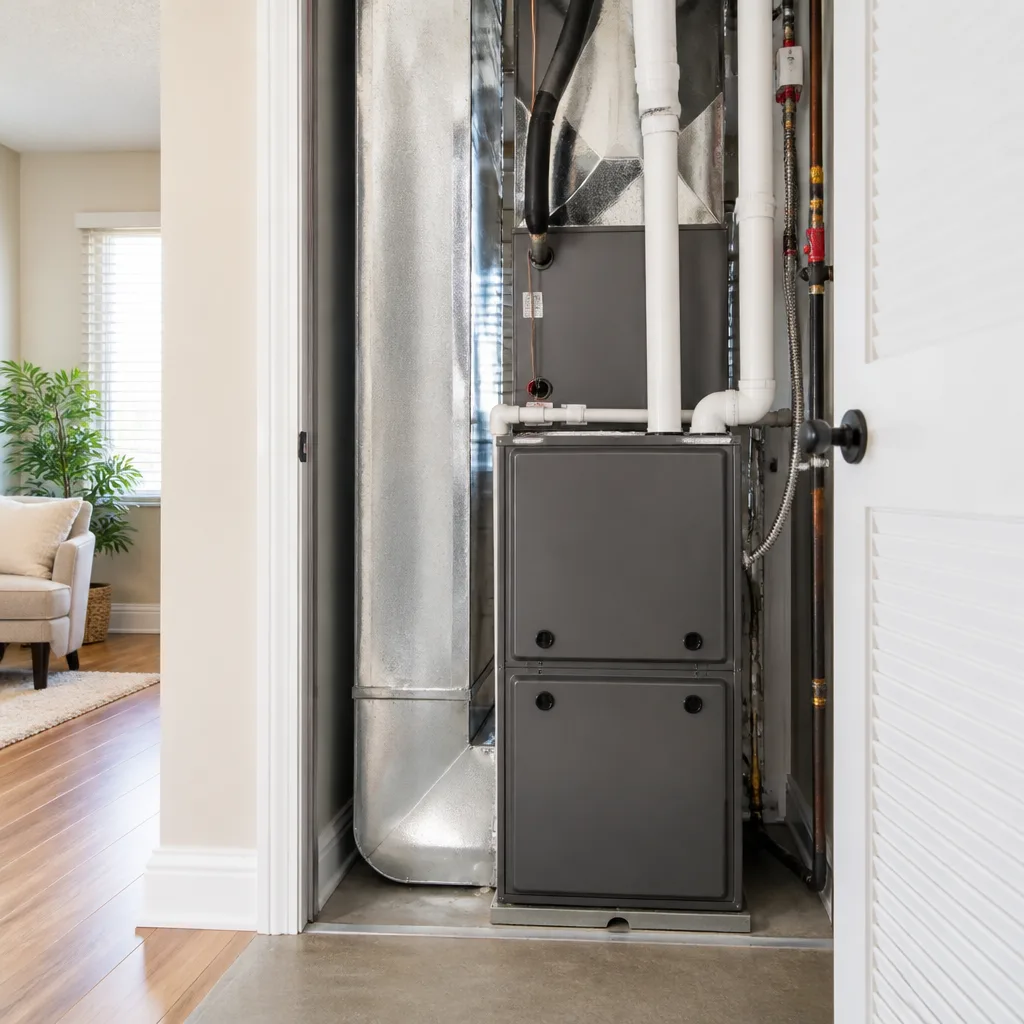
 Furnace & heating
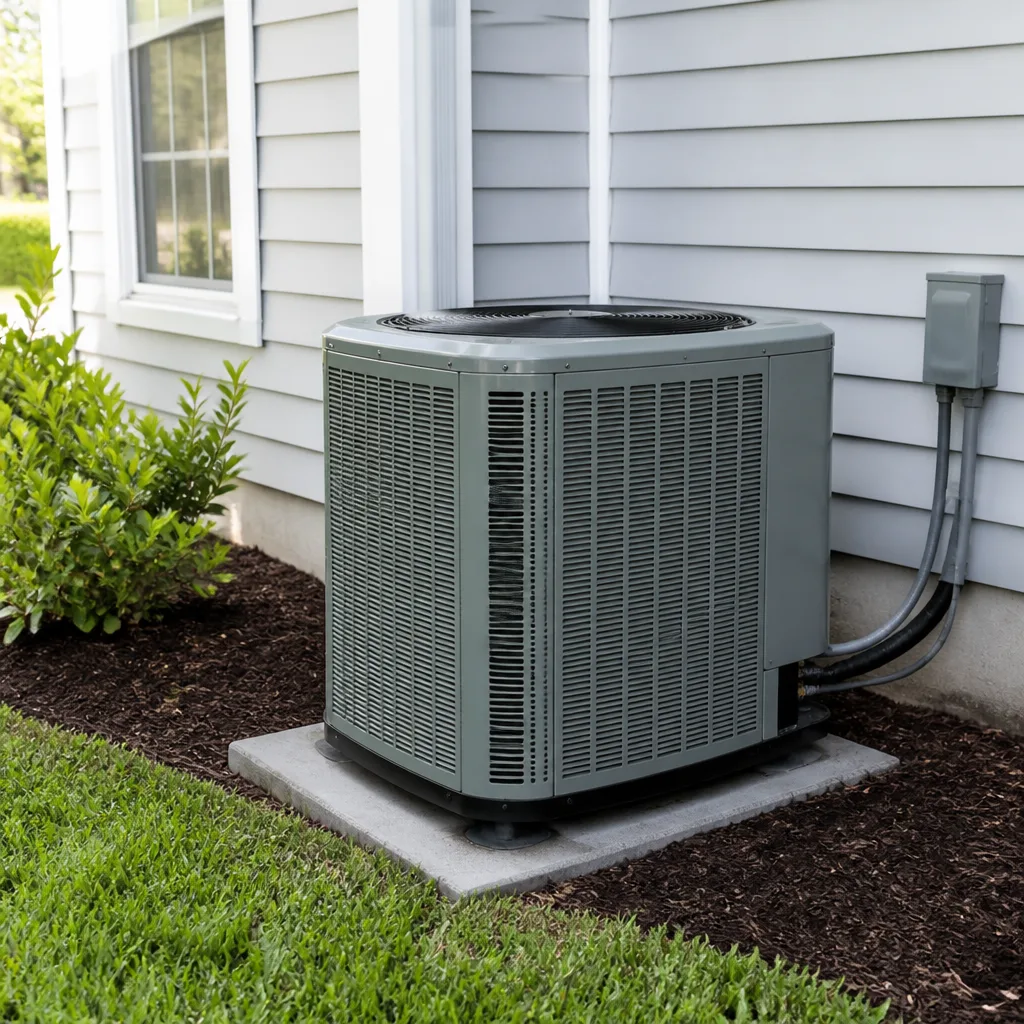 AC repair
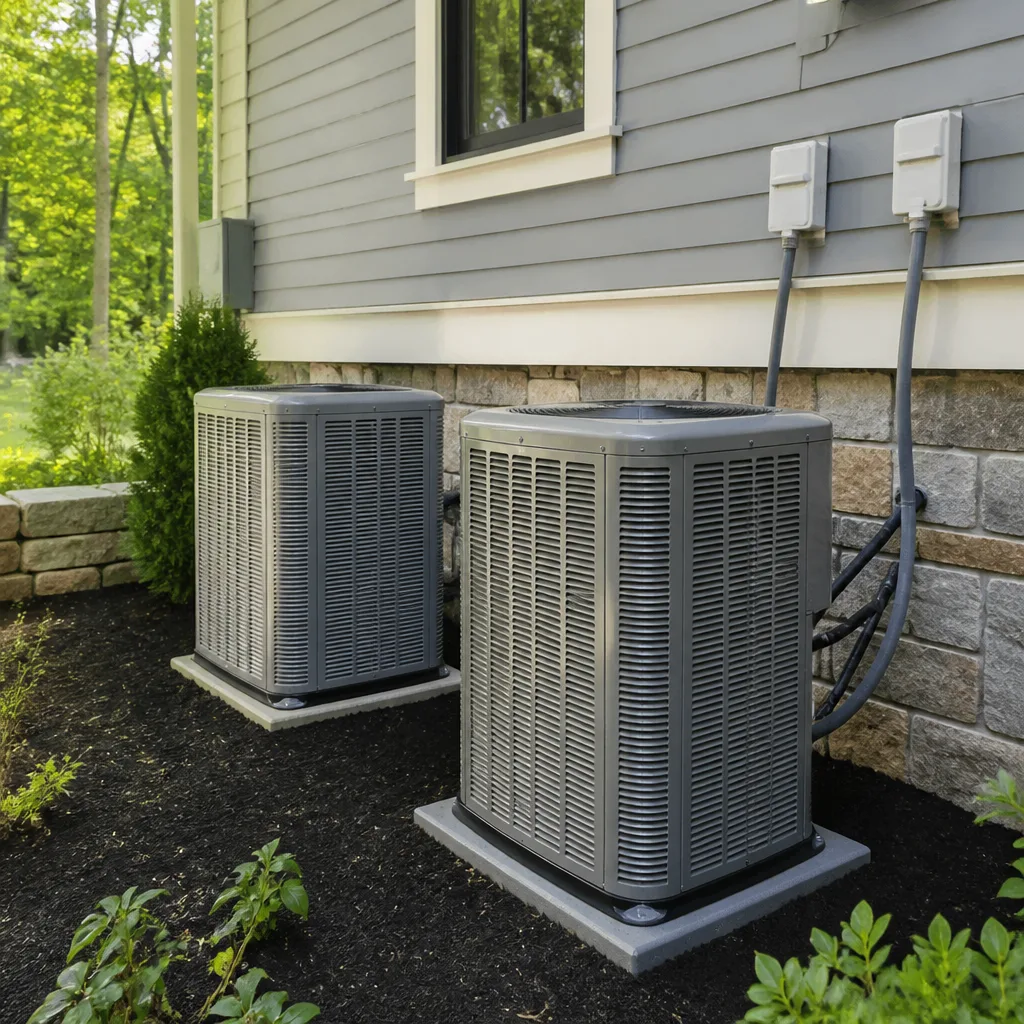 Heat pumps
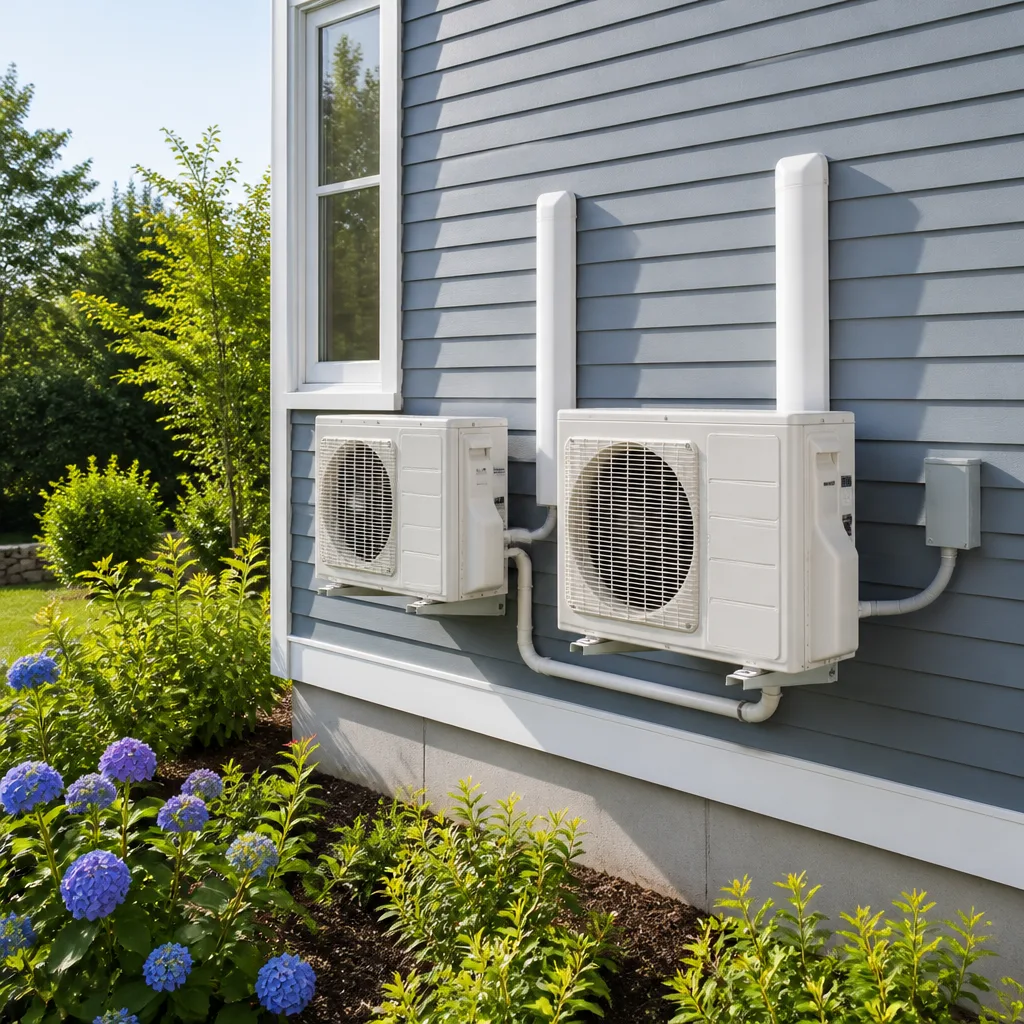 Ductless mini splits
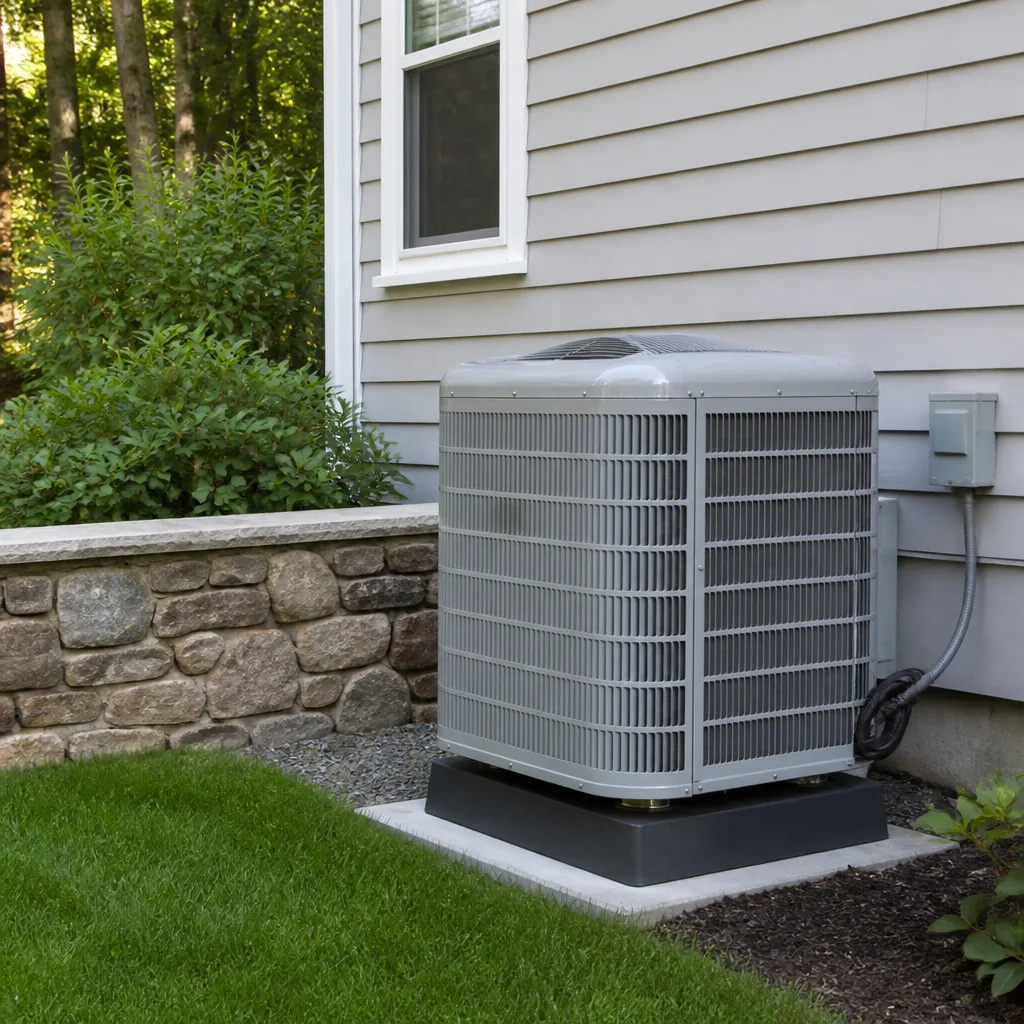 Carrier
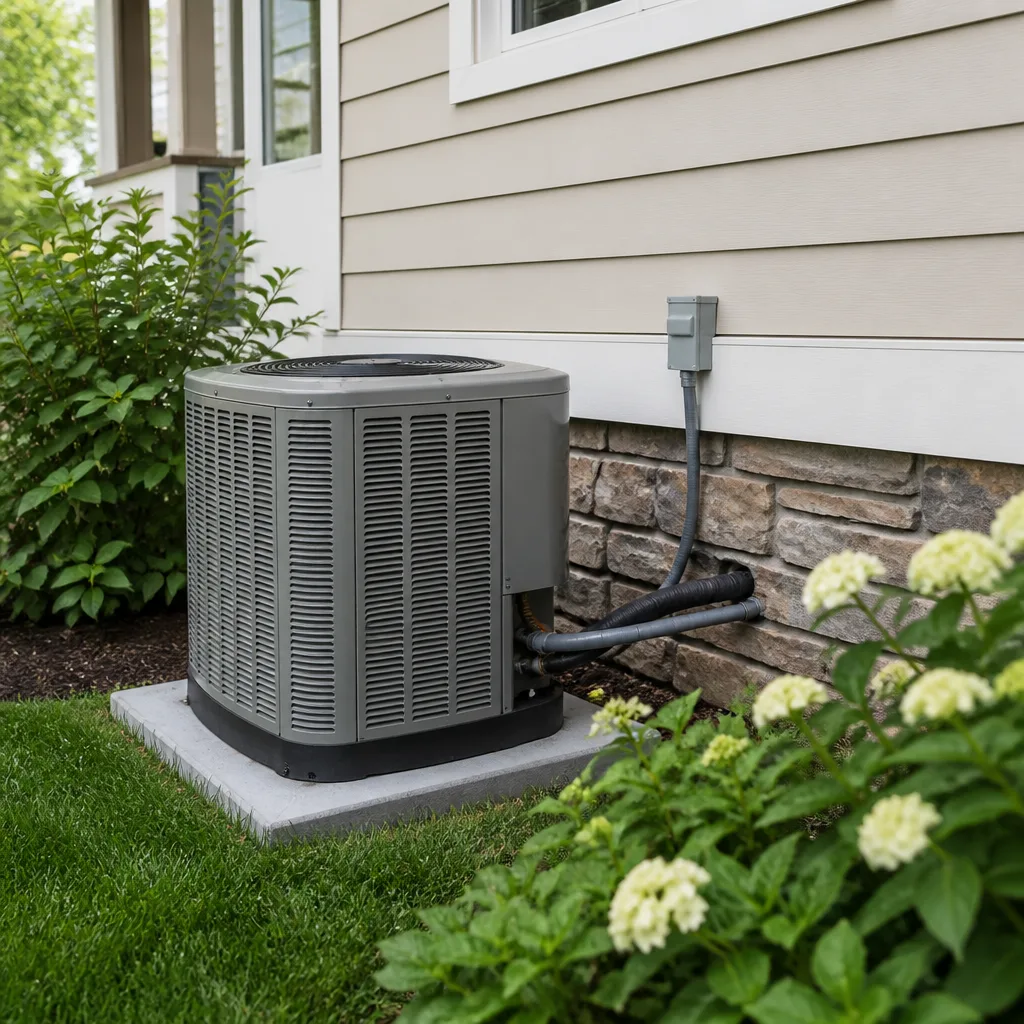 Trane
Trane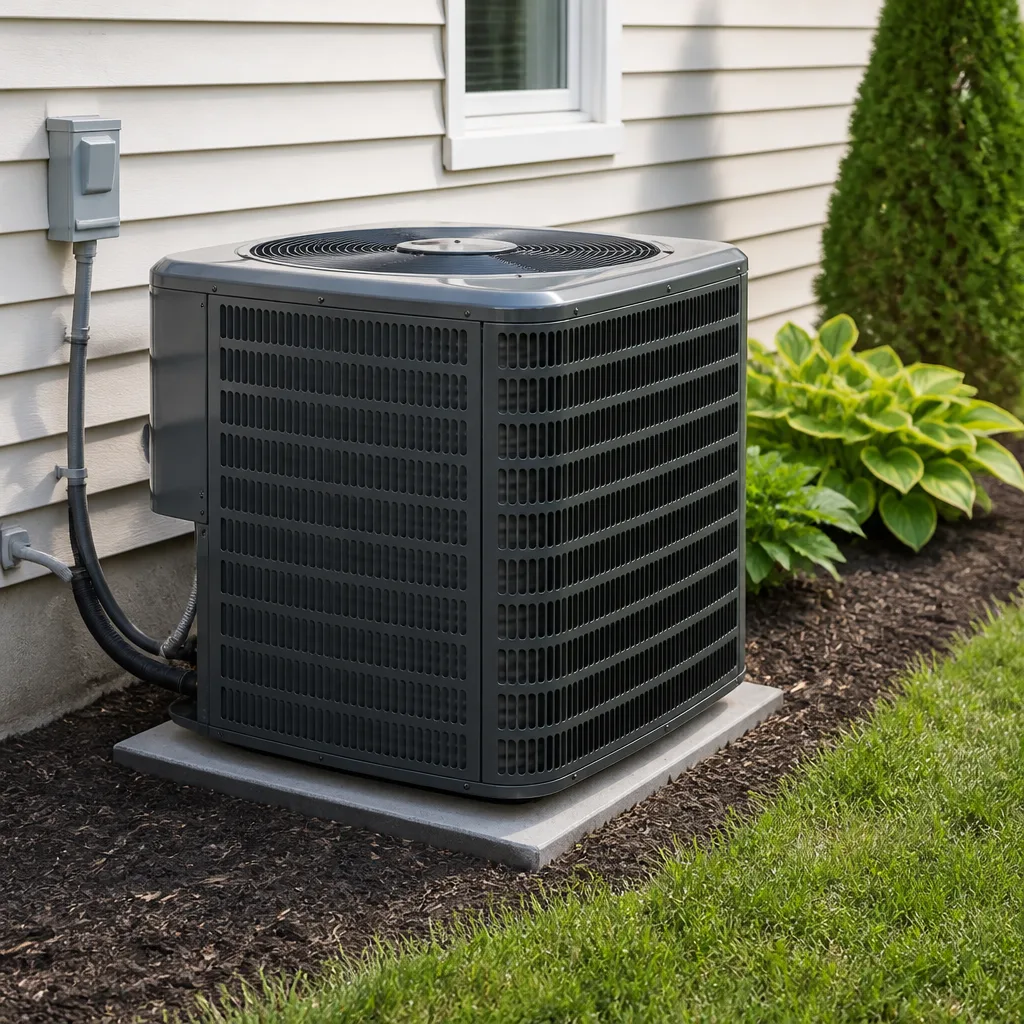 Goodman
Seasonal tune-up and full diagnostic on your Carrier, Trane, or Goodman system - readings shown to you before any repair is proposed
Diagnosis first, numbers second - you approve the repair price before a single part goes in.
Get your free estimateCarrier Heat Pump Service: The Houston Owner’s Guide
Carrier heat pump service in Houston typically runs $150 – $650 for a repair, depending on which component failed, and we stock Carrier-compatible parts on our trucks for same-day fixes in most cases. If your system is blowing warm air, short-cycling, or the outdoor unit sounds like a cement mixer, you’ve got a specific part failing – not a mystery. Most Houston homeowners discover the problem on a 95° afternoon when the thermostat keeps climbing and the system won’t catch up.
We’re Dalton Heating & Air Houston, an independent service provider – not a Carrier dealership, and not affiliated with Carrier corporate. That matters because we’re not tied to selling you Carrier-branded everything. We match the part to your system’s spec sheet and your budget, and we tell you when an aftermarket equivalent does the same job for less.
Which Carrier Models This Applies To
Carrier heat pumps span the Performance, Comfort, and Infinity series, and each series uses different control boards, different defrost sensors, and in some cases different compressor specs. The model number on the outdoor unit data plate – look on the side or back – starts with a prefix like 25HBC, 25HCB, 25VNA, or 25HCE. That prefix tells us the series and the refrigerant it uses, which is the single biggest compatibility gotcha.
Older Carrier units from roughly 2010 and earlier run R-22 refrigerant, which is no longer manufactured or imported in the U.S., and the remaining supply is expensive. Newer units run R-410A. If your system is R-22, a compressor or coil repair often doesn’t make financial sense – the refrigerant alone can push the bill past half the cost of a new system. Carrier’s Infinity series (25VNA, 25VNB) uses communicating controls, which means the thermostat talks to the outdoor unit digitally. A generic aftermarket control board won’t work in those units; we use OEM or Carrier-approved replacements for communicating systems. For standard 24-volt systems like the Performance and Comfort series, quality aftermarket capacitors, contactors, and fan motors are usually fine and cost 20 – 40% less than the Carrier-boxed version.
What we stock on the truck: dual-run capacitors, contactors, defrost sensors, thermistors, fan motors, and control boards for most Carrier Performance and Comfort models. Infinity-specific boards and variable-speed parts are ordered and usually on site within two business days.
Styles & brands we work with
Signs Your Carrier Heat Pump Service Is Failing
- Outdoor unit runs, but no cold air – or no heat in winter. This usually points to a failed compressor capacitor or a refrigerant leak. The capacitor gives the compressor its starting jolt; when it weakens, the compressor can’t spin up and the system just moves warm air around.
- The unit short-cycles – starts, runs three to five minutes, shuts off, then tries again. A failing defrost sensor or a plugged outdoor coil causes the system to trip its high-pressure switch. In Houston humidity, a dirty coil is the most common culprit we see, especially near the Energy Corridor where landscaping debris and oak pollen load up coils fast.
- The outdoor unit won’t start at all. A contactor – the relay switch that connects line voltage to the compressor and fan – can weld itself open after enough cycling. We replace more contactors on Houston heat pumps than almost any other part, because our units run ten to eleven months of the year.
- Ice builds on the outdoor coil, even on a warm day. That’s a defrost cycle failure: bad defrost thermostat, bad defrost control board, or low refrigerant charge. In a Houston January when it’s 38° and drizzling, a heat pump ices up normally, but the defrost cycle should clear it every 30 – 90 minutes. If it doesn’t, the part has failed.
- You hear a loud buzzing or humming from the outdoor unit, then a click. That’s the compressor trying to start against a dead capacitor – the buzz is the motor locked up without enough phase shift, and the click is the thermal overload opening. Continuing to run it this way will kill the compressor.
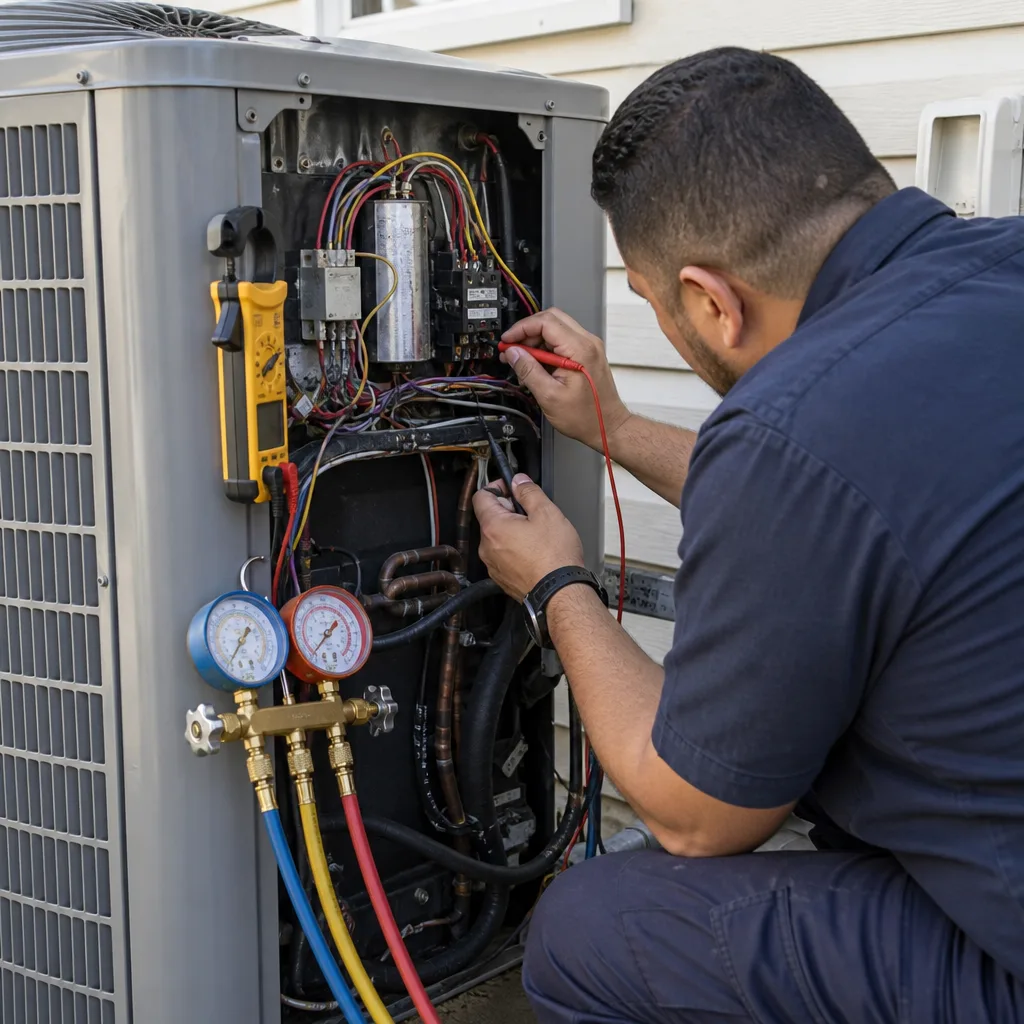
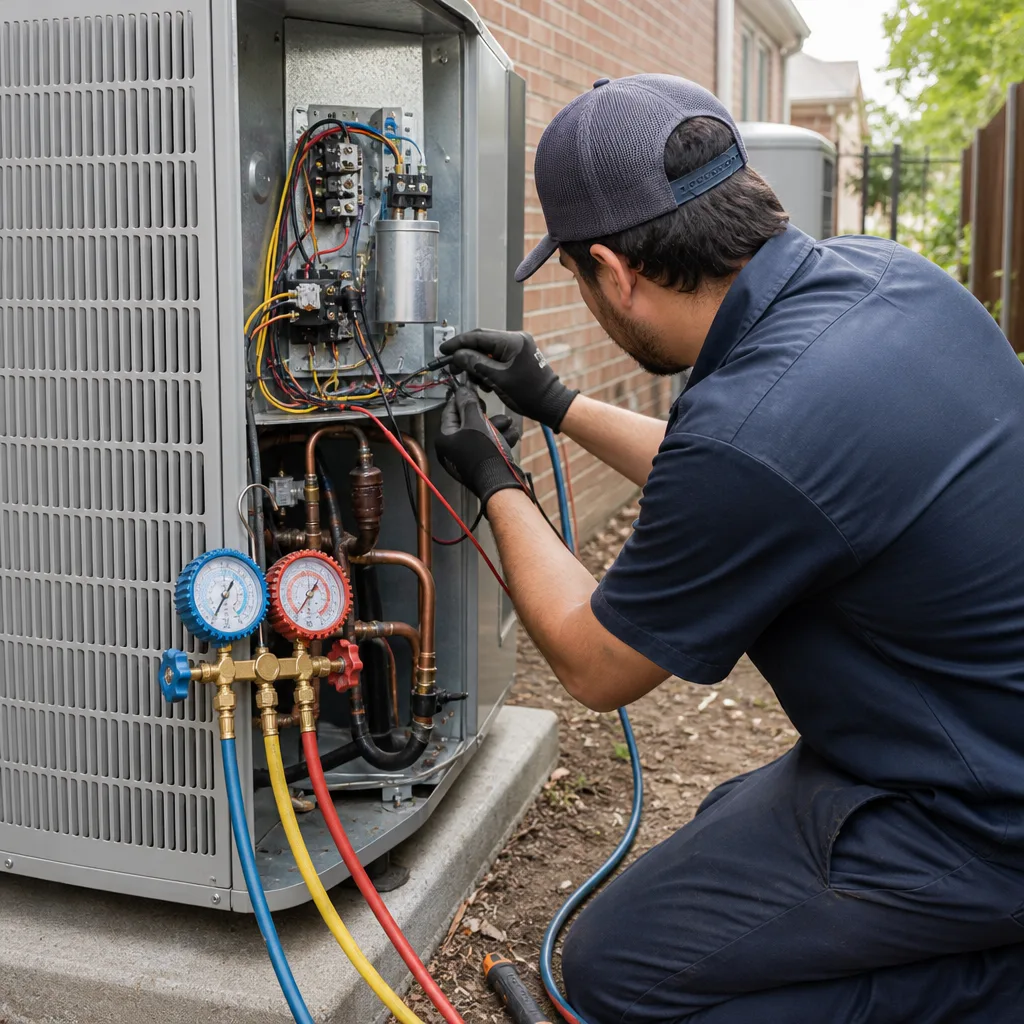
See the difference
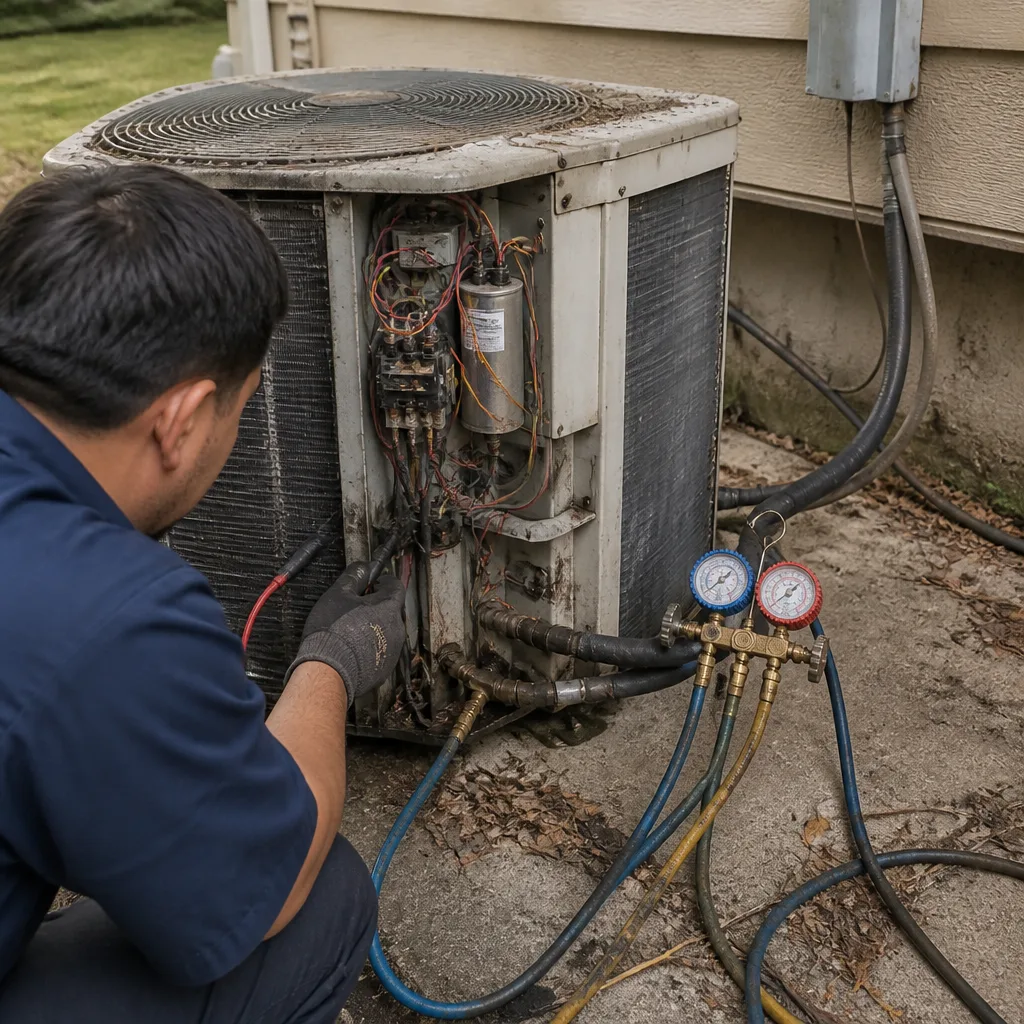 Before
 After
After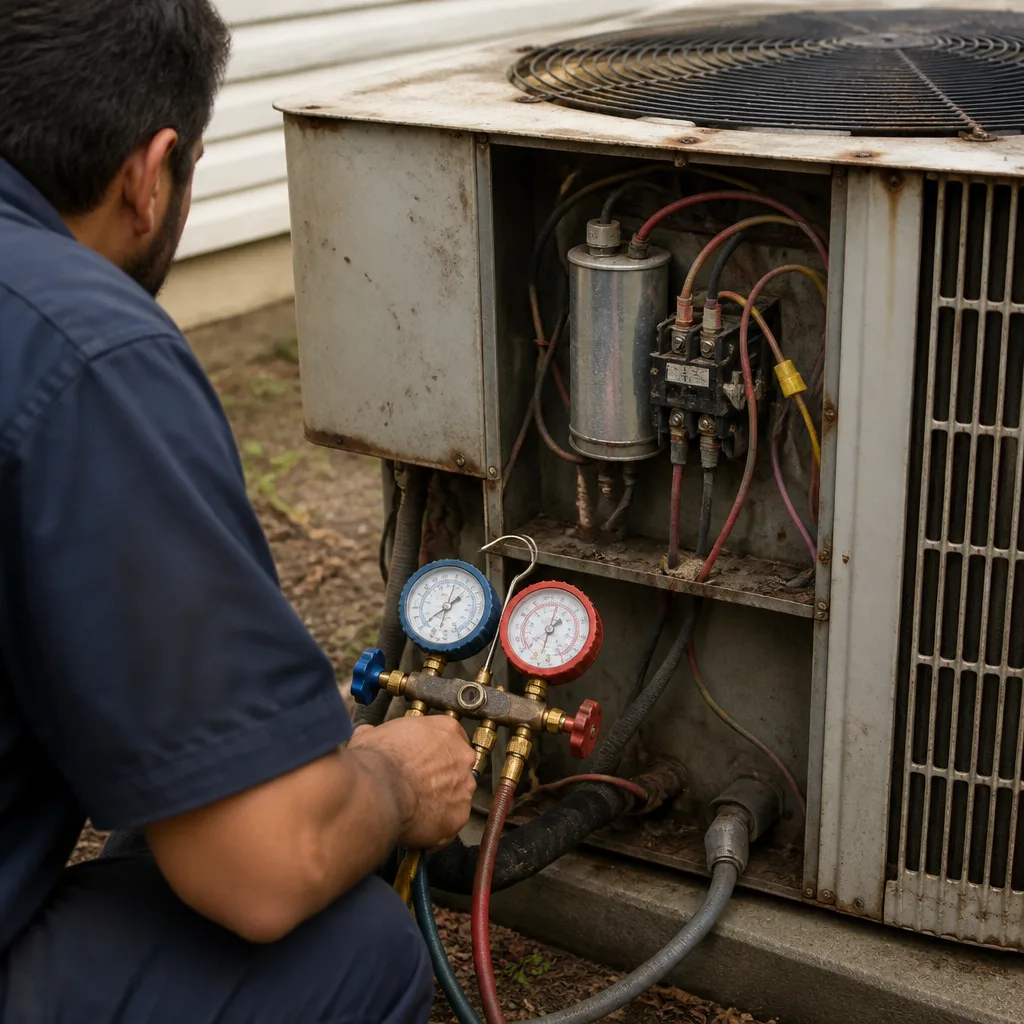 Before
 After
After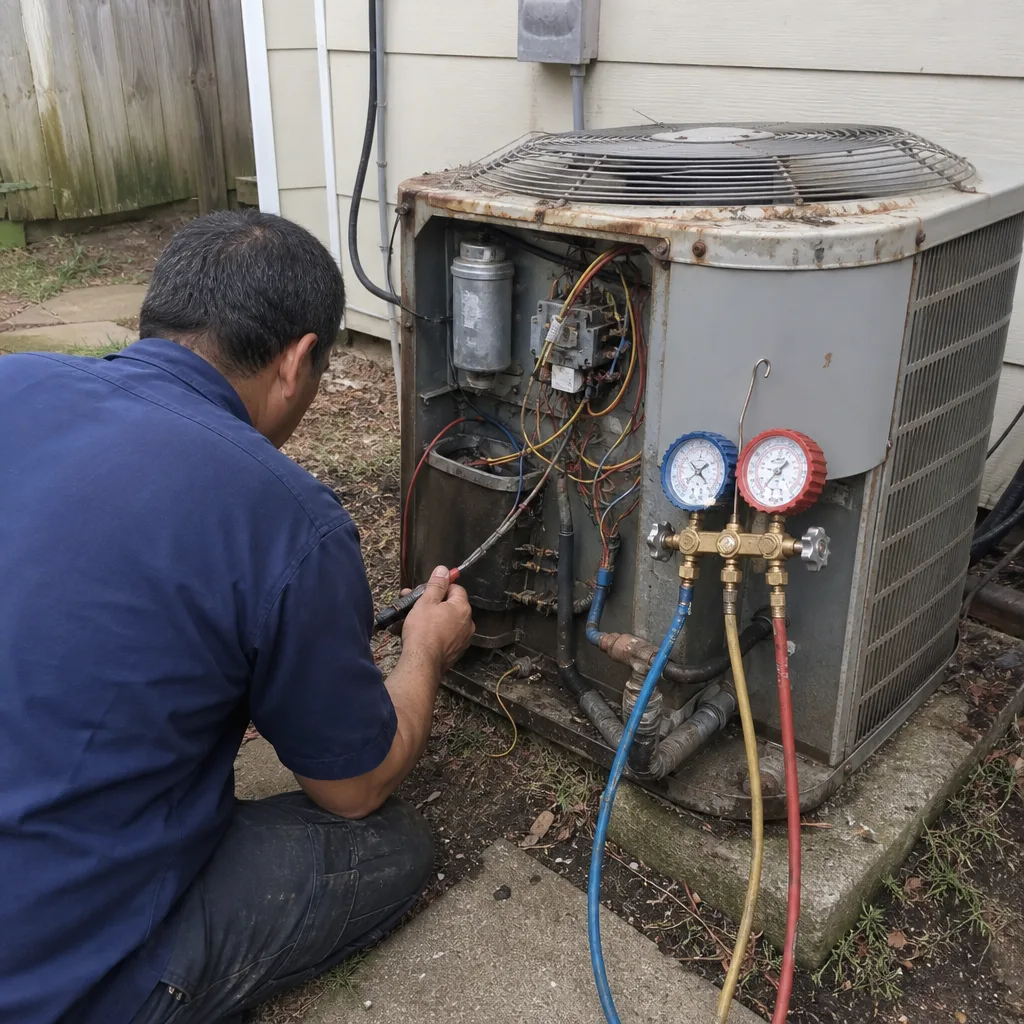 Before
 After
AfterReplacement Cost & What’s Included
Carrier heat pump repairs in Houston run $150 – $650 installed, covering the part, the labor, and the service call. The range breaks down like this:
- Dual-run capacitor: $150 – $280 installed
- Contactor: $160 – $300 installed
- Defrost sensor or thermistor: $180 – $340 installed
- Condenser fan motor: $300 – $520 installed
- Control board (non-communicating models): $350 – $650 installed
- Control board (Infinity communicating models): $500 – $800 installed
The spread on any given part comes down to the specific model, whether we use an OEM Carrier part or a quality aftermarket equivalent, and the labor access on your unit. Every quote is written before we touch a screwdriver. The price we hand you is the price you pay; if we find something else while we’re in there, we stop and get your approval on the change before doing more work. Every repair carries our written guarantee for a full year, and if it fails in that time, we return at no charge. That’s The Garrison Standard – it’s not a marketing add-on, it’s how the company has operated since 2003.
DIY or Call Us?
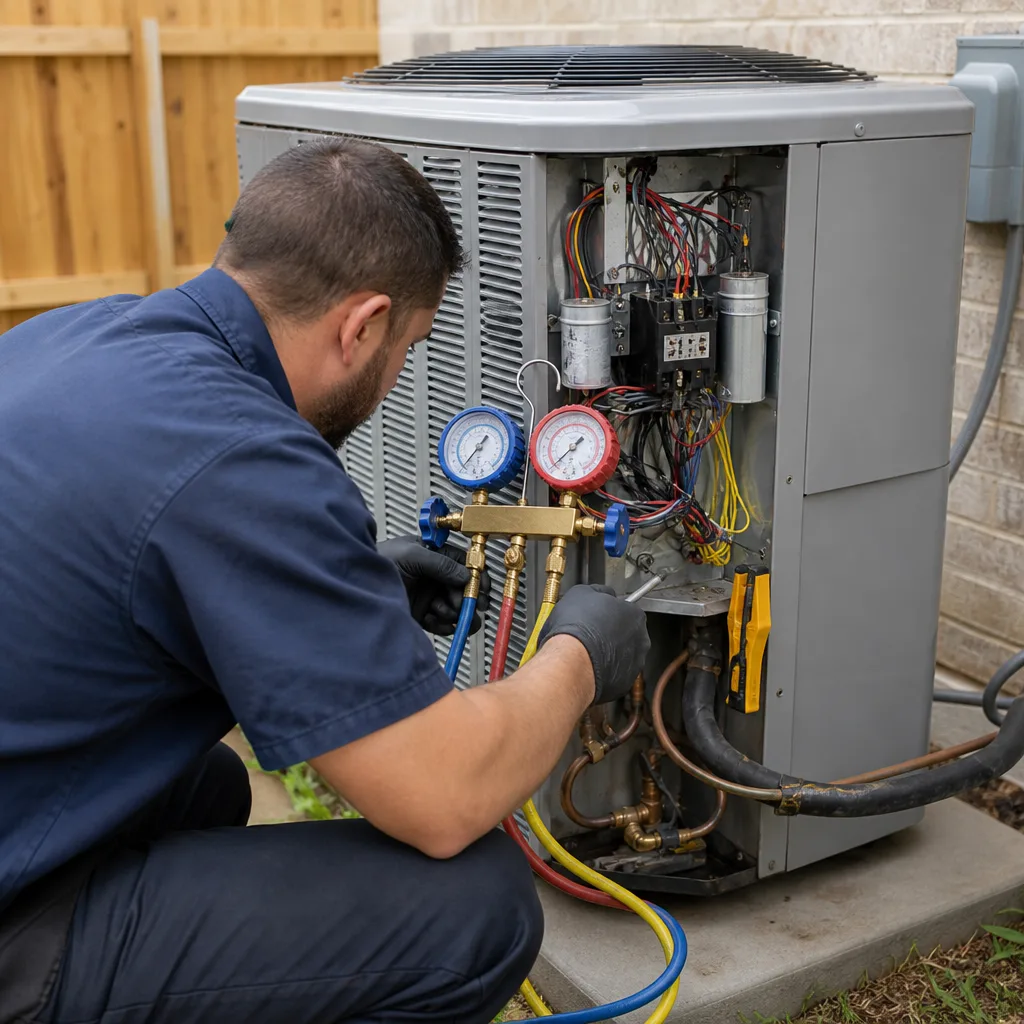
A heat pump’s outdoor unit contains 240-volt line voltage, a capacitor that holds a charge even with the power off, and refrigerant under pressure. A capacitor can discharge into you if you don’t know how to bleed it – that’s a serious shock, not a garage-project risk. We don’t recommend opening the electrical compartment on an outdoor unit unless you have the meter and the training. What you can safely do: check the thermostat batteries, verify the breakers at the panel and at the outdoor disconnect box, and make sure the condensate drain isn’t clogged. Hosing off the outdoor coil – with the power to the unit shut off – clears a lot of Houston pollen buildup.
Beyond that, call us at (903) 494-7686. Marco Benitez and the crew will tell you what the system is doing, then tell you what it needs – not what sells.
FAQs
Carrier heat pumps in Houston typically last 10 – 14 years, but the humidity and near-year-round runtime push the compressor and fans harder than in drier climates, so components like capacitors and contactors often fail every 3 – 5 years while the compressor itself keeps running. Regular tune-ups can catch these smaller failures before they take out the compressor. Call us for an exact read on your unit’s age and condition.
No – parts like capacitors, contactors, defrost sensors, and control boards are sealed electrical components; they get replaced, not repaired. If the part is a compressor or a coil, a repair isn’t practical in most cases. We’ll tell you straight if the numbers point toward a replacement instead.
Most Carrier heat pump part replacements take 45 to 90 minutes from arrival to testing, assuming we have the part on the truck. Call us before noon and we can typically get a same-day appointment in most Houston neighborhoods.
We stock common Carrier-compatible parts for Performance and Comfort series heat pumps on our trucks – capacitors, contactors, defrost sensors, fan motors, and standard control boards. Infinity communicating parts and variable-speed components are ordered and usually installed within two business days. We also carry parts for Trane and Lennox systems if you have a mixed-brand setup.
Written by Marco Benitez, Owner, Dalton Heating & Air Houston at Dalton Heating & Air Houston, serving Houston and nearby areas.