
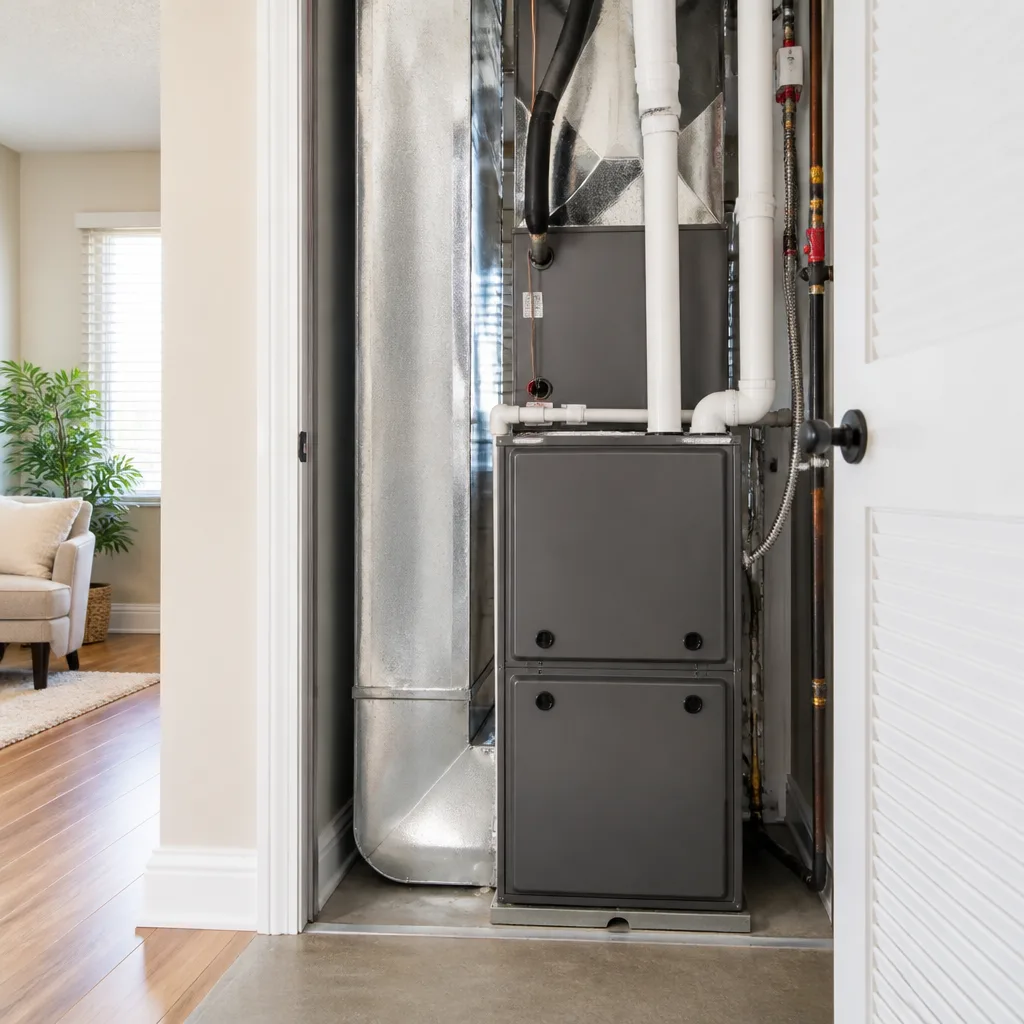
 Furnace & heating
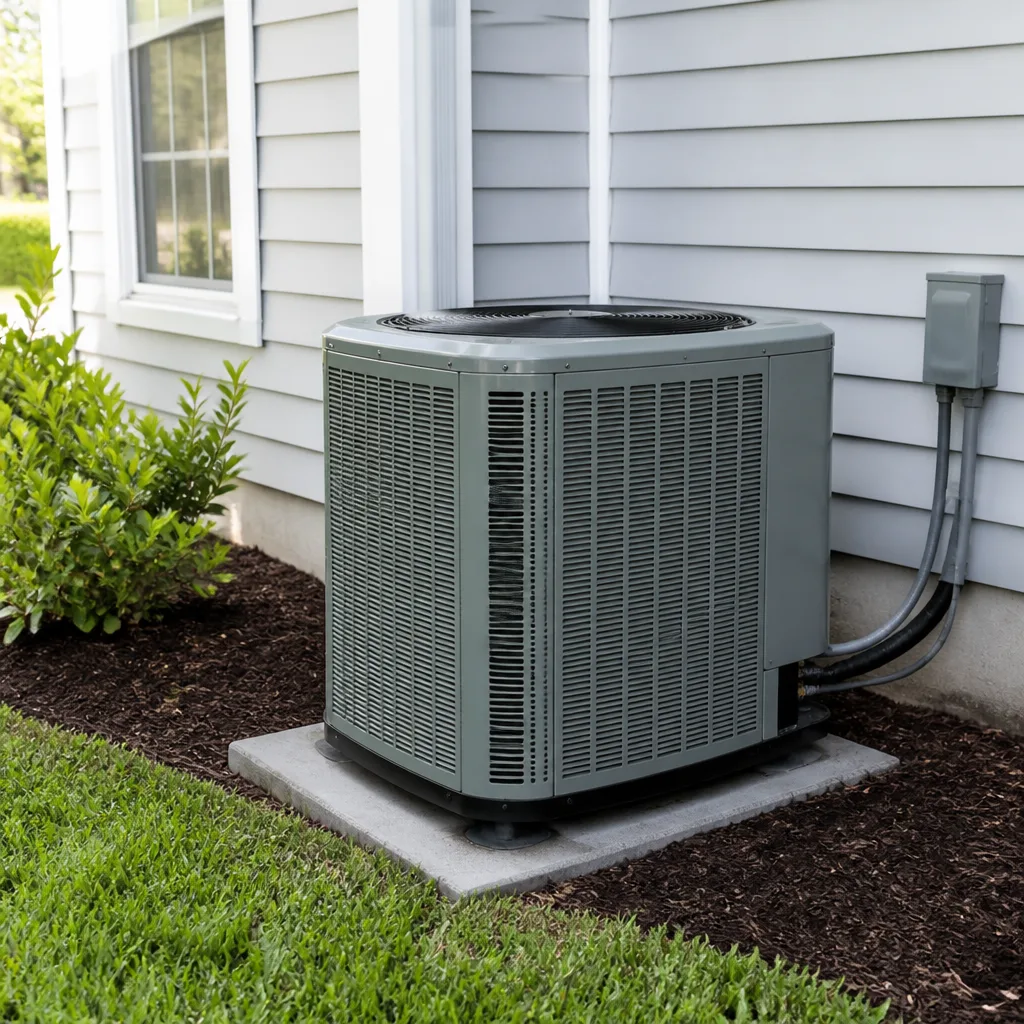 AC repair
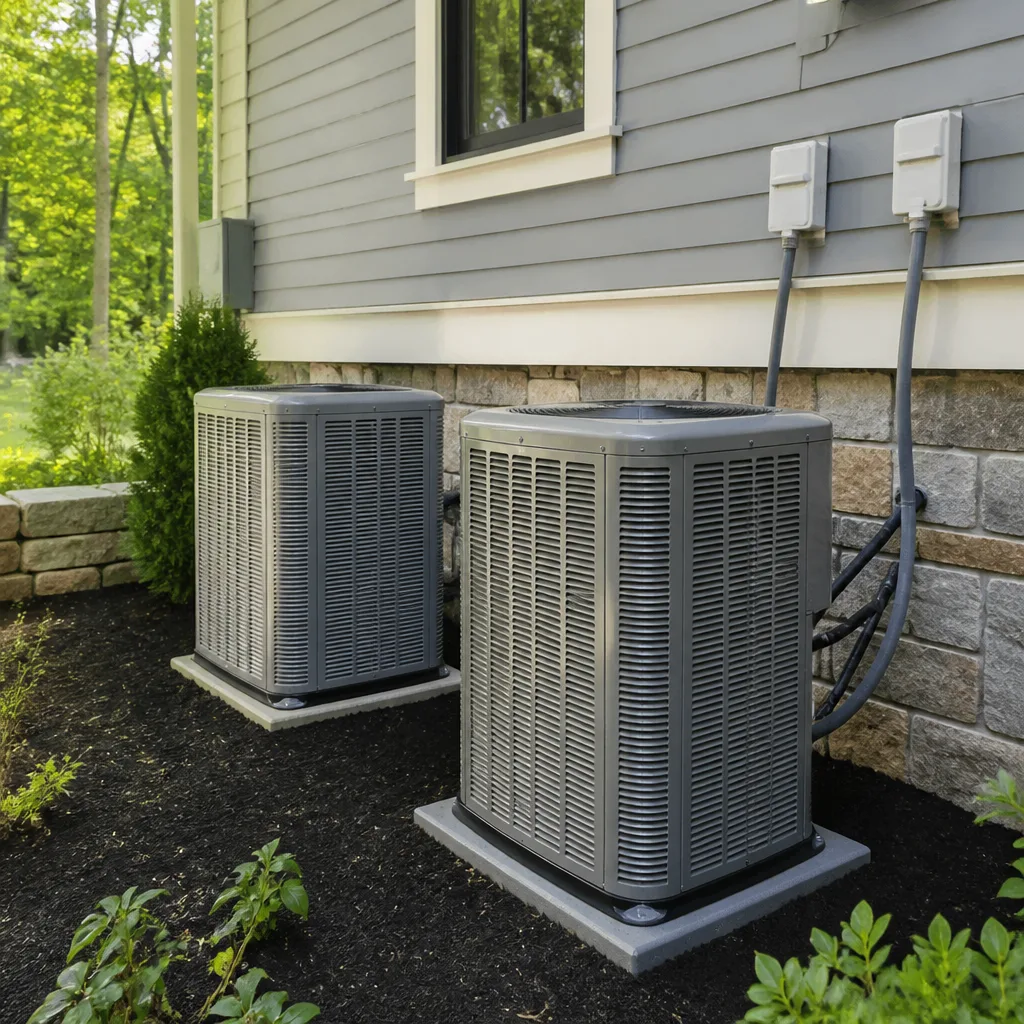 Heat pumps
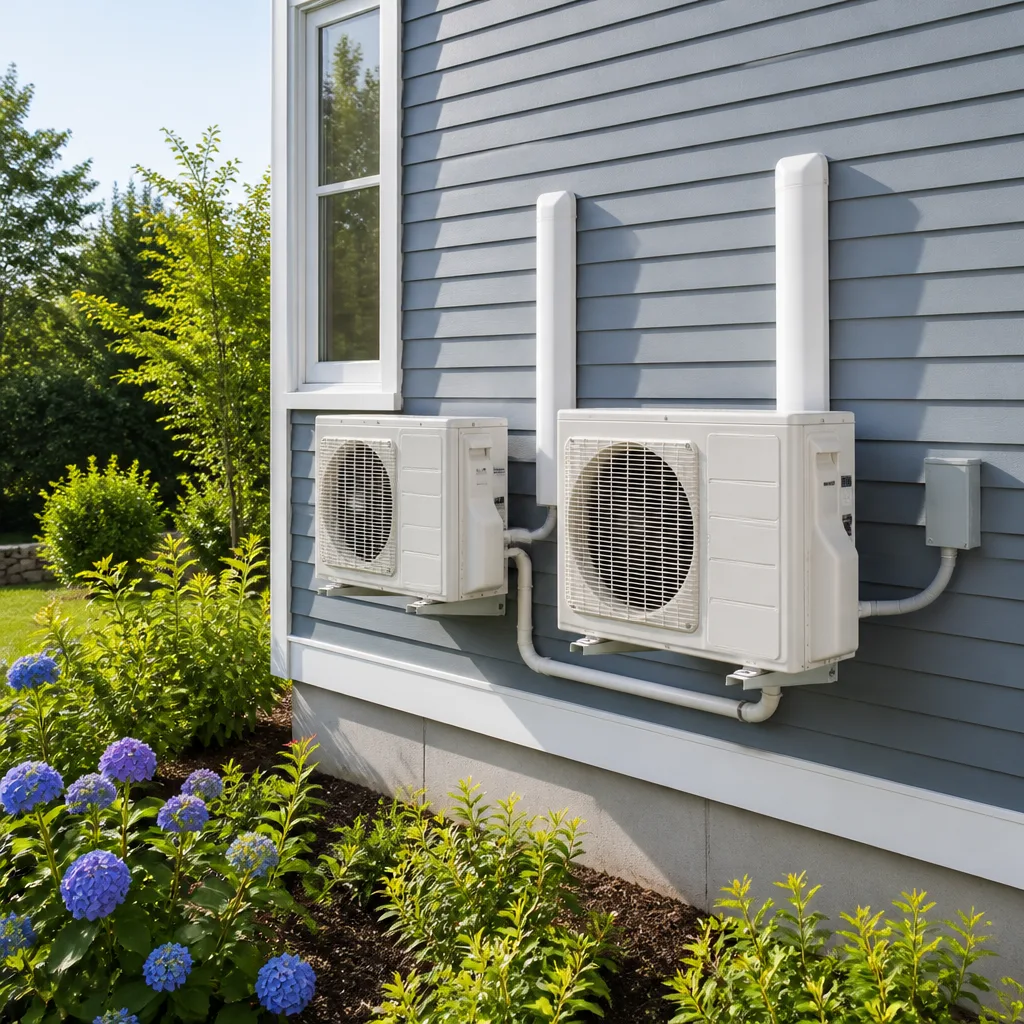 Ductless mini splits
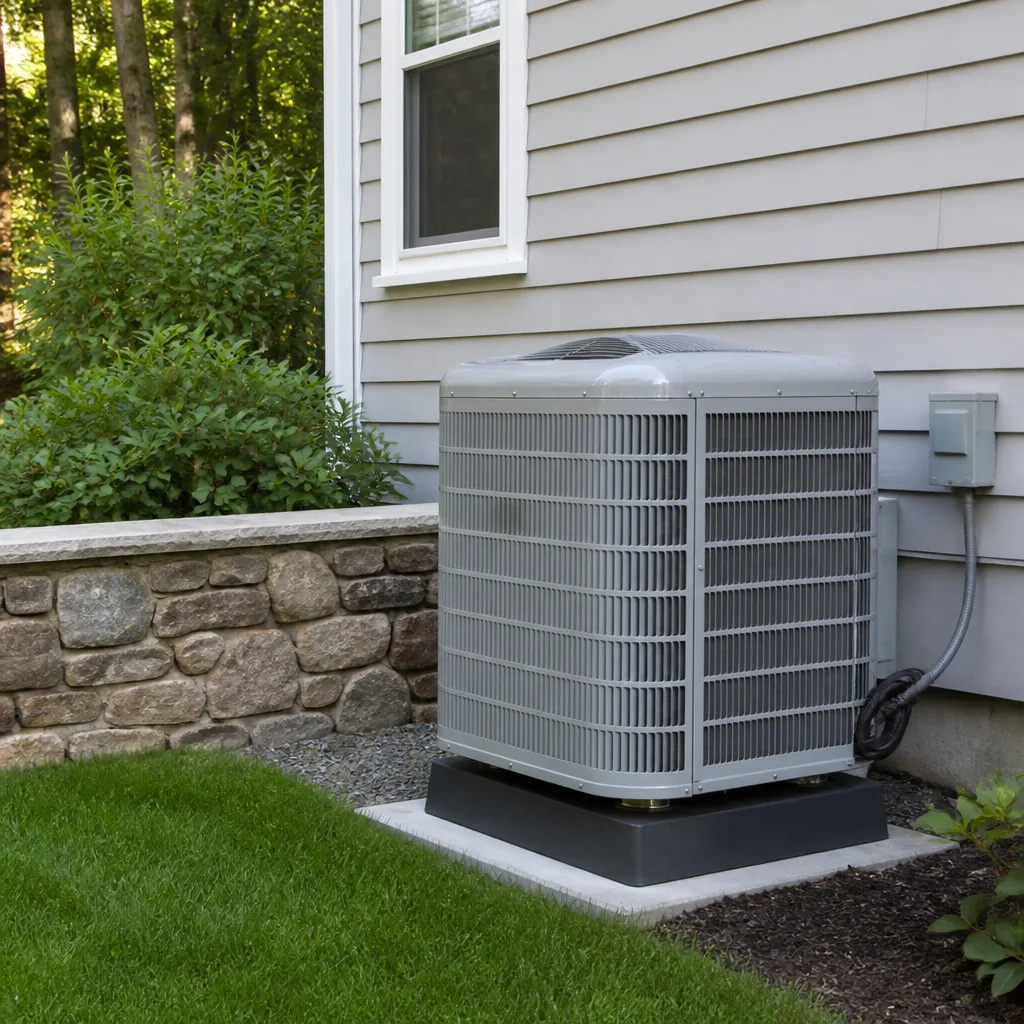 Carrier
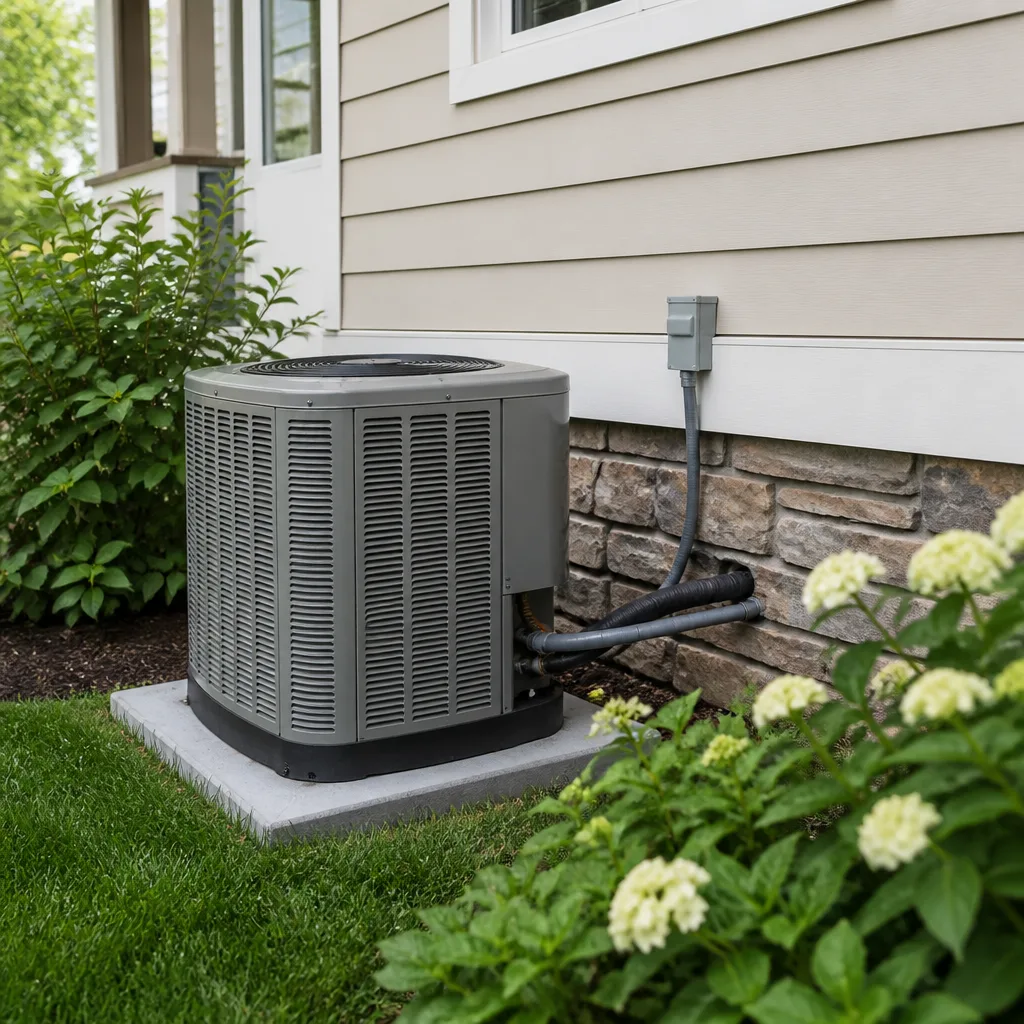 Trane
Trane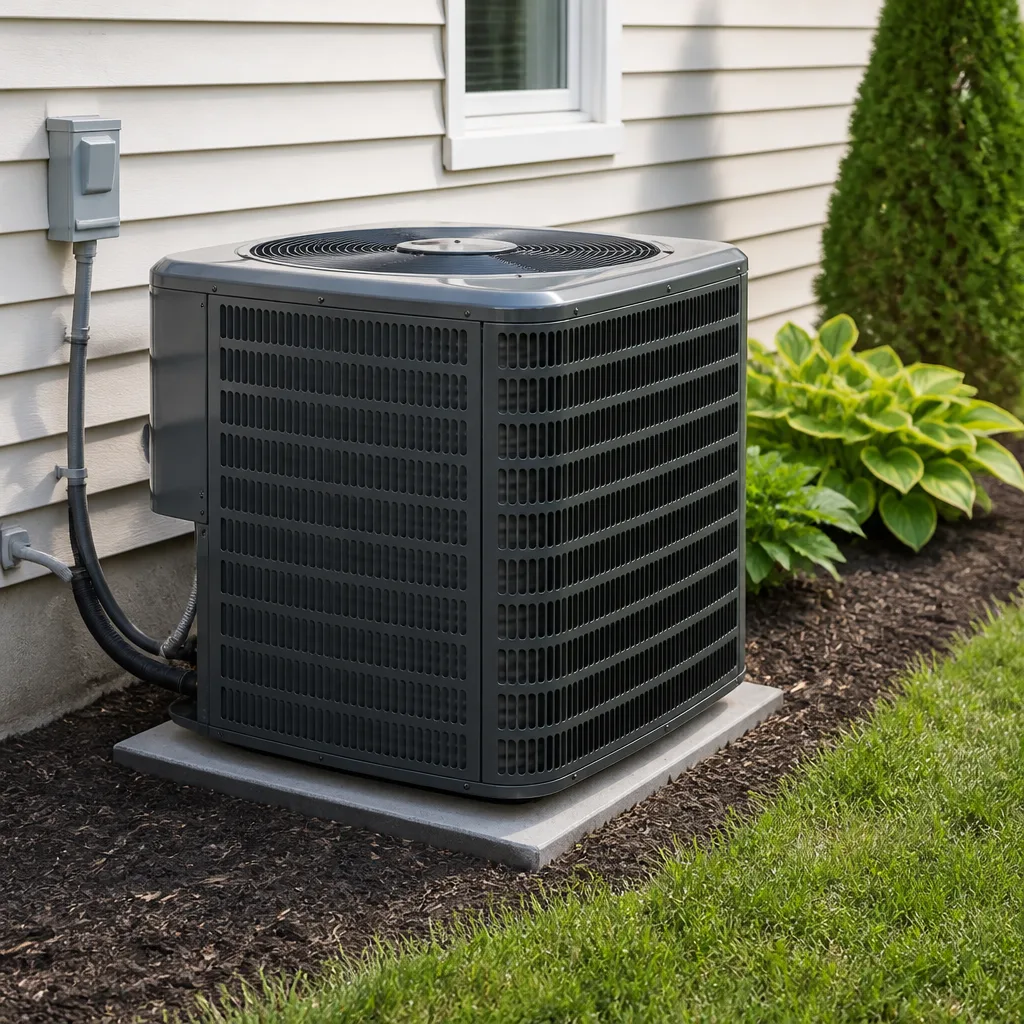 Goodman
Seasonal tune-up and full diagnostic on your Carrier, Trane, or Goodman system - readings shown to you before any repair is proposed
Diagnosis first, numbers second - you approve the repair price before a single part goes in.
Get your free estimateDaikin Mini-Split Installation: The Houston Owner’s Guide
We install, match, and replace Daikin mini-split components throughout Houston, with most complete replacement jobs running $3500 – $7500 depending on system size, line-set work, and whether you’re replacing one indoor unit or the entire multi-zone setup. Same-day service is available when parts are on hand in our Houston warehouse, which covers most common Daikin indoor wall units, line sets, and condensate components. Most Houston homeowners discover the part failed the same way: the unit runs but won’t cool, the indoor head is leaking onto the floor, or a fault code flashes on the remote that Google can’t quite translate.
To be clear upfront: Dalton Heating & Air Houston is an independent service provider. We are not affiliated with Daikin. What we are is factory-trained on Daikin equipment, and we keep the common parts in stock so your system isn’t down for two weeks waiting on a freight shipment.
Which Daikin Models This Applies To
Daikin’s mini-split line in the Houston market spans three main families. The Aurora line (RXL and FTX series) is the high-efficiency inverter stuff you see on newer builds and additions out in Katy and Cypress. The 17 Series and 19 Series (RXN and RXB outdoor units, FTXN/FTXB indoor heads) are the common mid-range workhorses. And Daikin’s multi-zone systems (2MXS, 3MXS, 4MXS) run multiple indoor heads off one outdoor condenser.
The compatibility gotcha Houston owners run into: Daikin indoor heads and outdoor condensers are not a mix-and-match game across series lines. A 17 Series indoor head will not talk to an Aurora outdoor condenser just because the tonnage matches. The control board firmware and the communication protocol are different. If you’re replacing one side of the system, it has to match the other, or you’re buying both. Before anyone orders parts, we confirm the model number printed on the side of the unit, the refrigerant type (most current Daikin mini-splits run R-410A, but some newer units are R-32), and the tonnage. Takes five minutes. It saves you from a $1,200 mistake.
Styles & brands we work with
Signs Your Daikin Mini-Split Installation Is Failing
- Unit runs, fan spins, no cold air. In Houston’s humidity, this is usually a low refrigerant charge from a slow leak in a flare fitting, or a failed compressor drive. A refrigerant recharge on a mini-split isn’t a top-off job; the leak has to be found and the system weighed in to spec.
- Water dripping from the indoor head. The condensate pan or drain line is clogged with the algae and dust sludge Houston’s humidity produces. Left alone, it rots drywall and takes out electrical boards below the unit.
- Error code on the remote (U4, U2, E3, A3). These Daikin codes point to communication failures between indoor and outdoor units, high-pressure lockouts, or a failed thermistor. A pro with Daikin’s code chart can usually isolate the fault in one visit.
- Outdoor unit short-cycles or hums and quits. A failing capacitor, an inverter board that’s cooked from a summer of 100-degree afternoons, or a compressor that’s pulling locked-rotor amps. Houston heat plus a marginal part equals failure.
- One room won’t hold temperature while others do. On multi-zone Daikin systems, this is often a failing EEV (electronic expansion valve) in the one indoor unit, or a refrigerant distribution issue in the branch box. It’s not always the obvious part, and that’s why diagnosis beats guessing.
See the difference
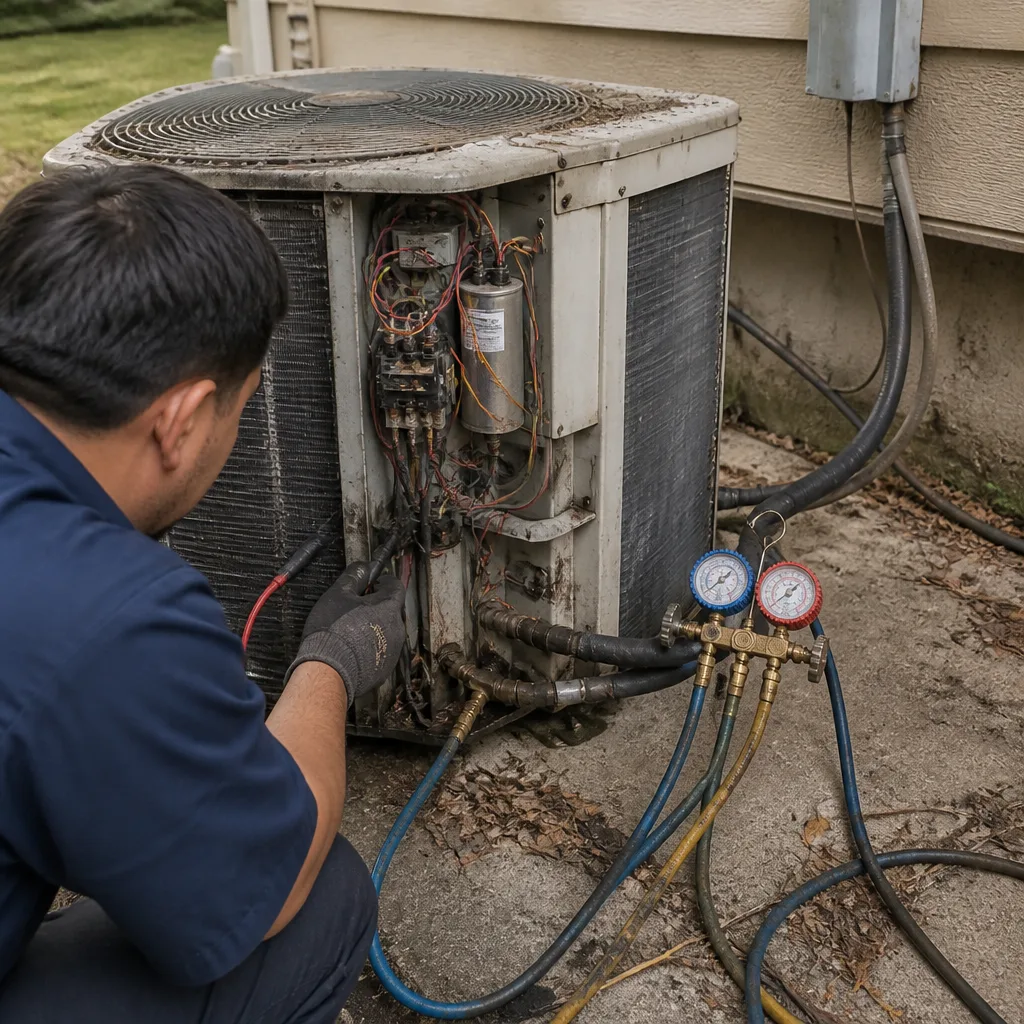 Before
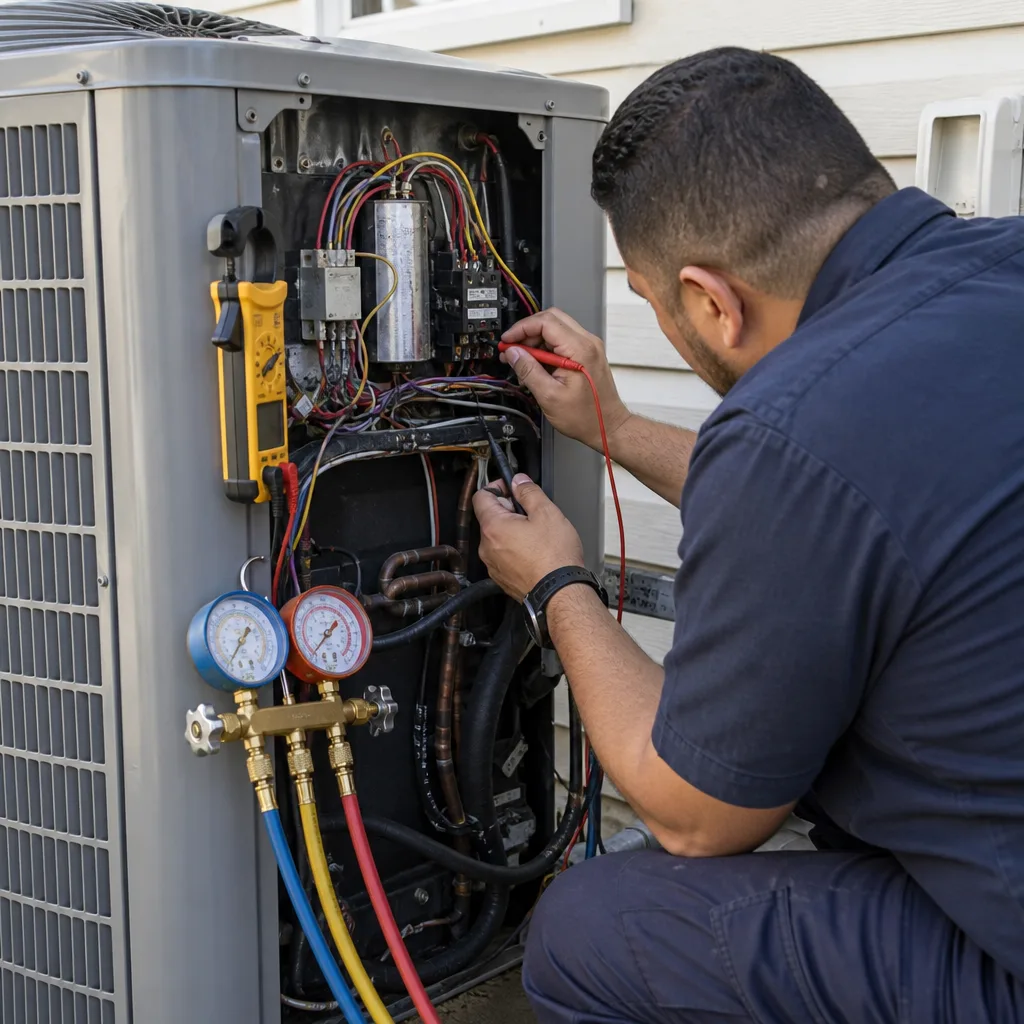 After
After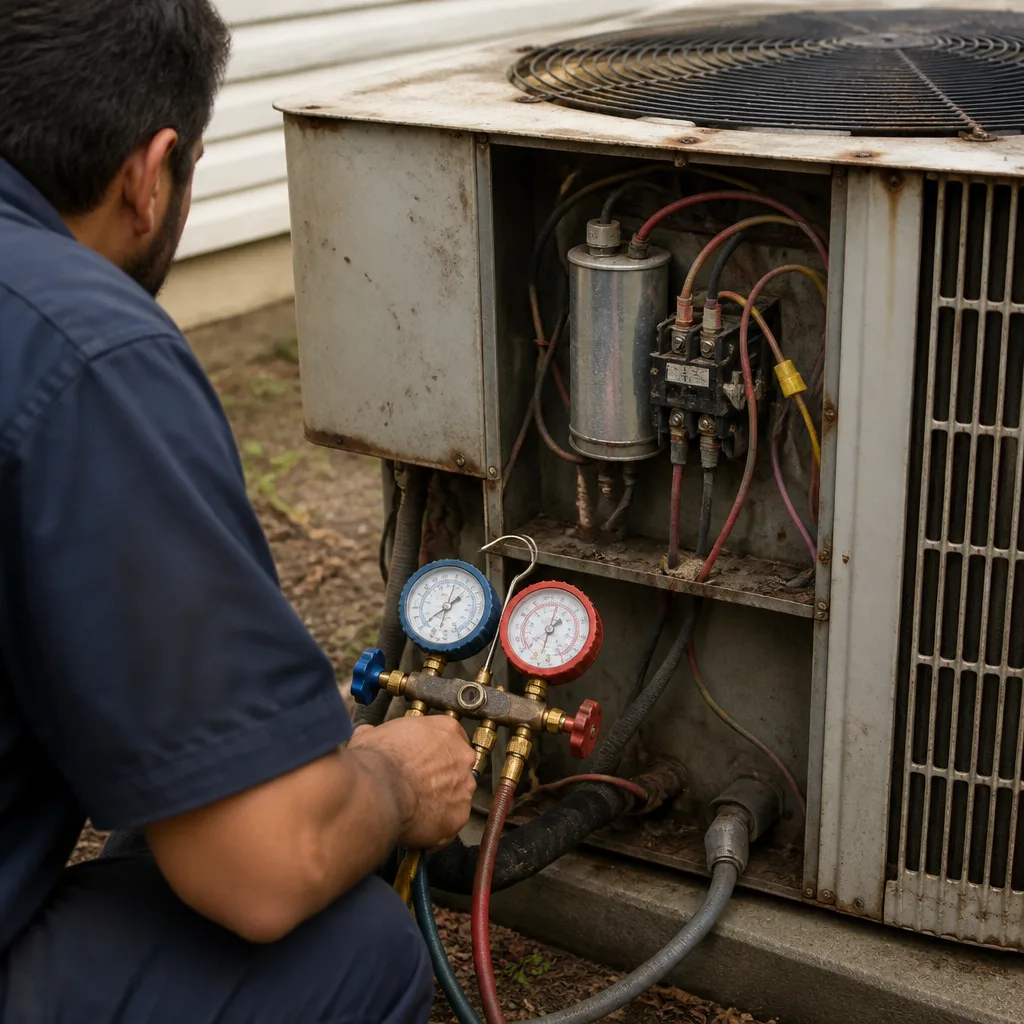 Before
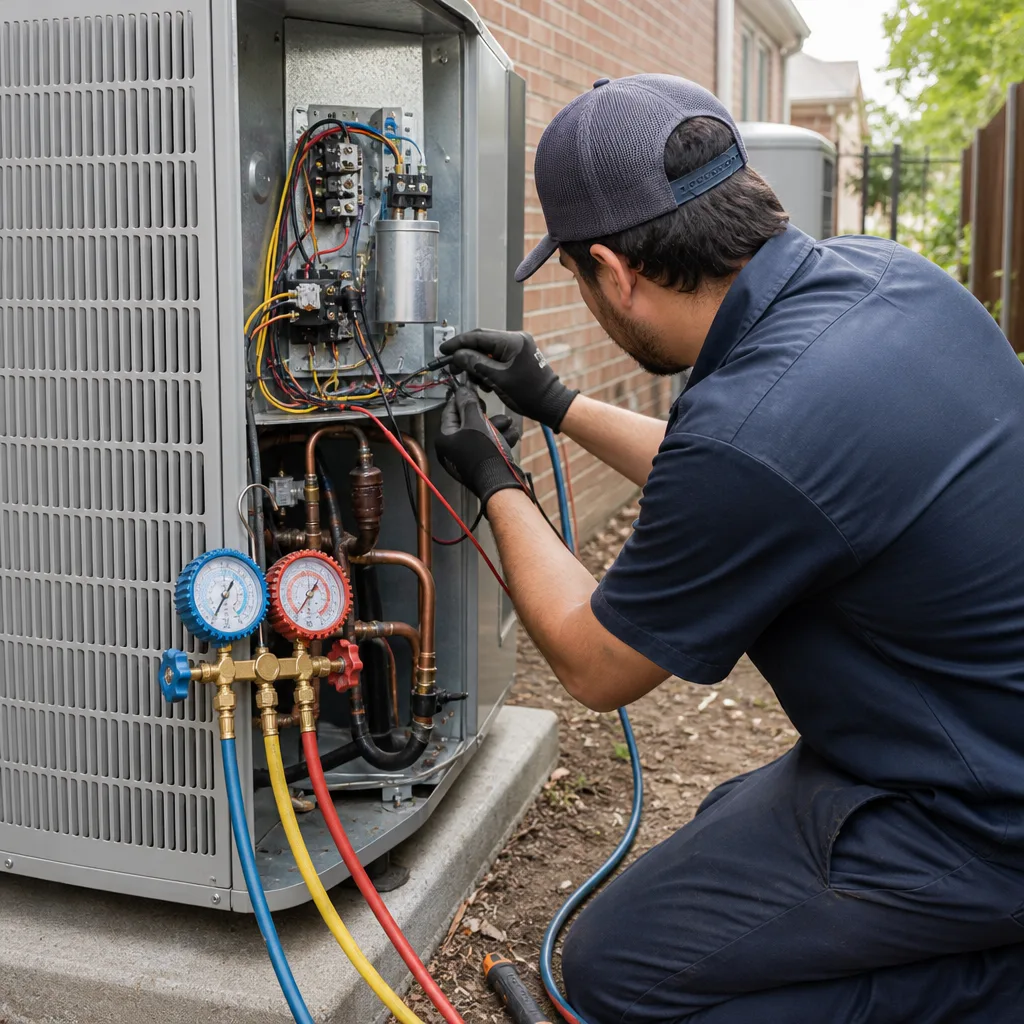 After
After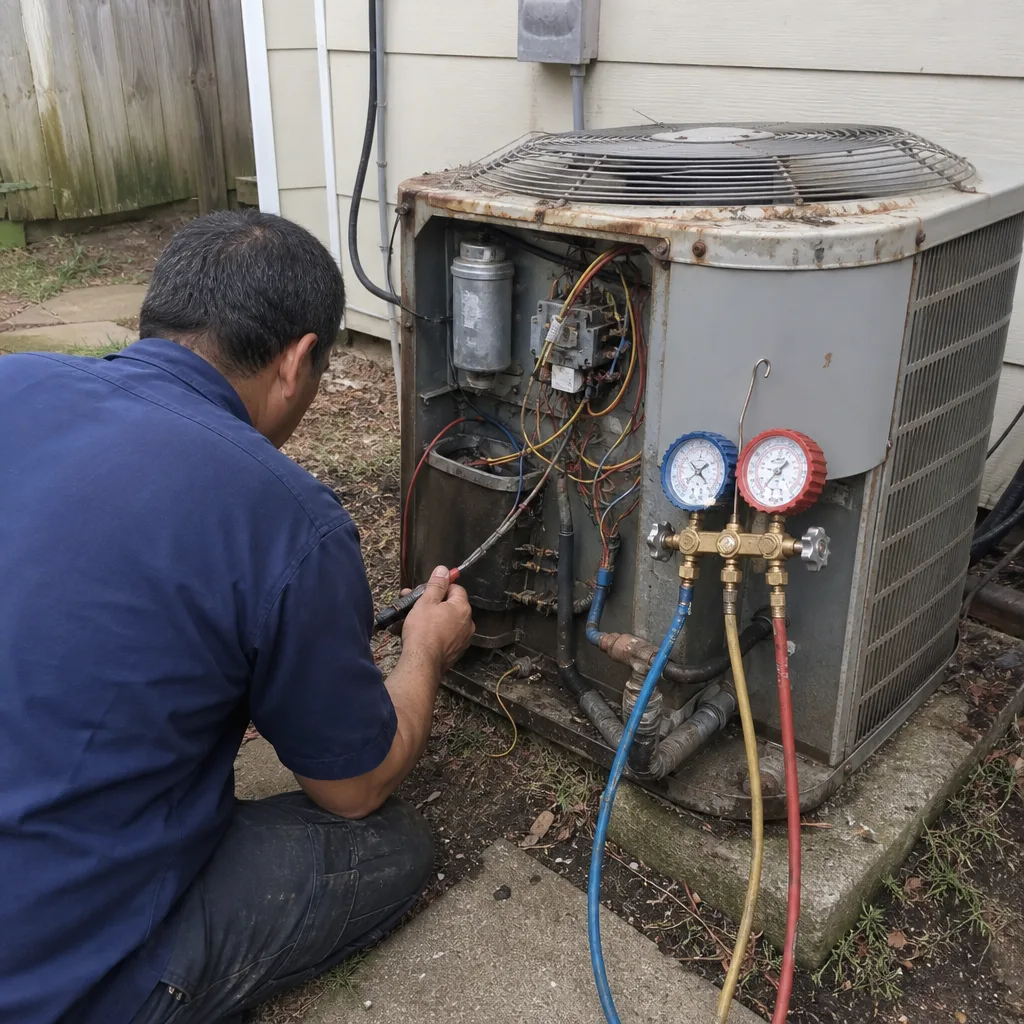 Before
 After
AfterReplacement Cost & What’s Included
A full Daikin mini-split installation in Houston runs $3500 – $7500. The range covers single-zone systems at the low end up to multi-zone setups with three or four indoor heads at the top. What drives the price: the series you’re installing (Aurora costs more than the 17 Series), line-set length and complexity (a two-story Energy Corridor townhome with the condenser around the corner costs more than a single-story with the condenser outside the wall), and whether existing electrical and disconnect are up to current code.
Every quote is a written price before we touch the job. That includes the equipment, line-set work, electrical hookup, vacuum and leak test, startup, and a full written guarantee on the install for one year. If something fails in that window, we come back at no charge. No exceptions, no fine print. Marco Benitez has been clear with our crew since day one: the price you sign is the price you pay.
DIY or Call Us?
What you can safely check yourself: make sure filters are clean, confirm the breaker hasn’t tripped, and check whether the outdoor unit’s coil is packed with cottonwood fuzz and Houston pollen. Kill the power and wash the coil with a hose. Ten minutes, zero risk, and it solves a surprising number of “no cool” calls.
What you should not touch: anything involving refrigerant, the compressor, the inverter board, or the line-set fittings. Mini-split systems run high-voltage DC to the compressor, and the refrigerant circuit is under pressure even when the unit is off. A botched flare fitting or a crossed wire can turn a $400 repair into a full system replacement. If the unit is flashing a code or blowing warm air, call (903) 494-7686. We’ll send a technician who knows Daikin and shows up with the common parts already on the truck.
FAQs
Realistically, 12 to 15 years for the outdoor condenser in Houston conditions, less if the unit is undersized and runs constantly from April through October. The indoor head usually holds up longer; the electrical boards are the parts we replace most often, typically around year 8 to 10. A proper install with a clean line-set, correct flare torque, and a deep vacuum on startup extends that lifespan. Call (903) 494-7686 for a straight answer on whether your system is worth repairing.
Some parts can. Capacitors, thermistors, drain pumps, and fan motors are all serviceable and we stock them for Daikin units. A failed inverter board or a compressor that’s mechanically locked usually makes replacement the smarter call, because the cost of the part plus labor approaches half the price of new equipment. We’ll always tell you the repair cost and the replacement cost side by side, in writing, and let you decide.
A single-zone indoor or outdoor replacement is usually a half-day to a full day once parts are in hand. A complete multi-zone system replacement typically runs one to two days. If we have the part on the truck and the schedule has an opening, same-day service is realistic; if it’s a less common Daikin part that needs ordering, we’ll give you a firm date at the time of the quote.
We stock the common Daikin parts: capacitors, boards, thermistors, drain pumps, blower wheels, and flare kits for the R-410A and R-32 systems most common in Houston. Oddball parts, like a specific Aurora inverter board for a four-year-old model, sometimes need to be ordered from Daikin’s regional distributor, and that’s typically three to five business days. We’ll never leave you guessing; you’ll know availability before we schedule the call. Call (903) 494-7686 and we’ll check stock while you’re on the phone.
Dalton Heating & Air Houston also works on Carrier, Trane, and Lennox systems, and we stock parts for those lines as well. But Daikin mini-splits are a big part of what we see in Houston, and we treat that equipment with the respect it earns in this climate.
Tell me what the system is doing, and I’ll tell you what it needs, not what sells. Then we’ll put it in writing and get to work.
Written by Marco Benitez, Owner, Dalton Heating & Air Houston at Dalton Heating & Air Houston, serving Houston and nearby areas.