
Last updated October 16, 2026
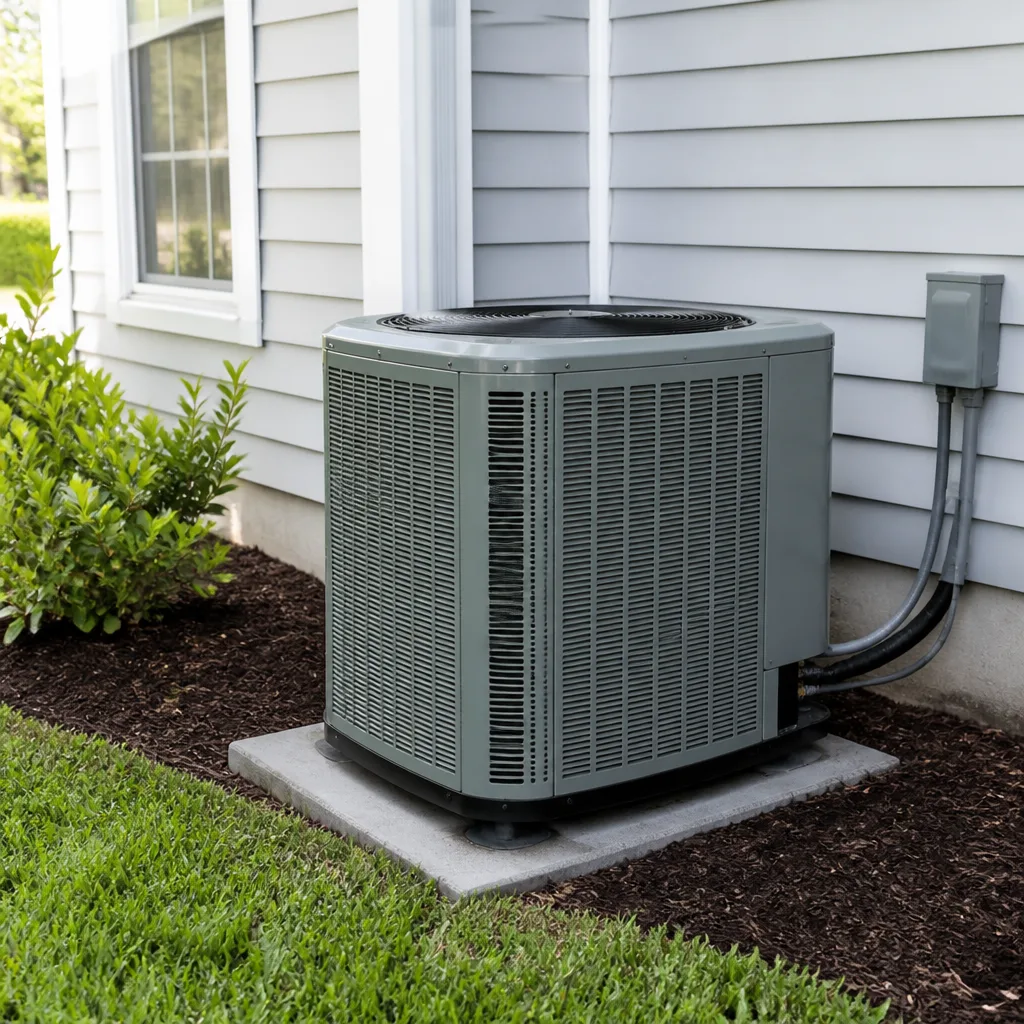 AC repair
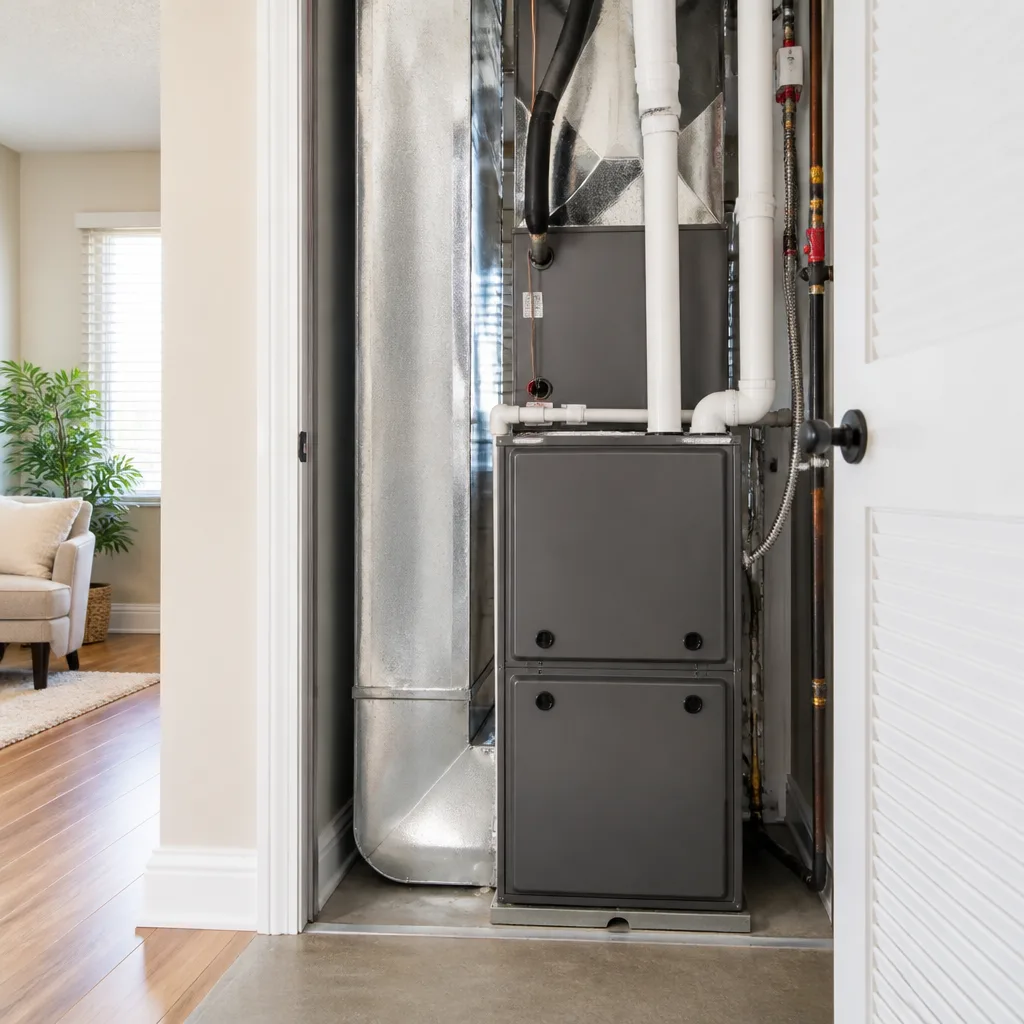 Furnace & heating
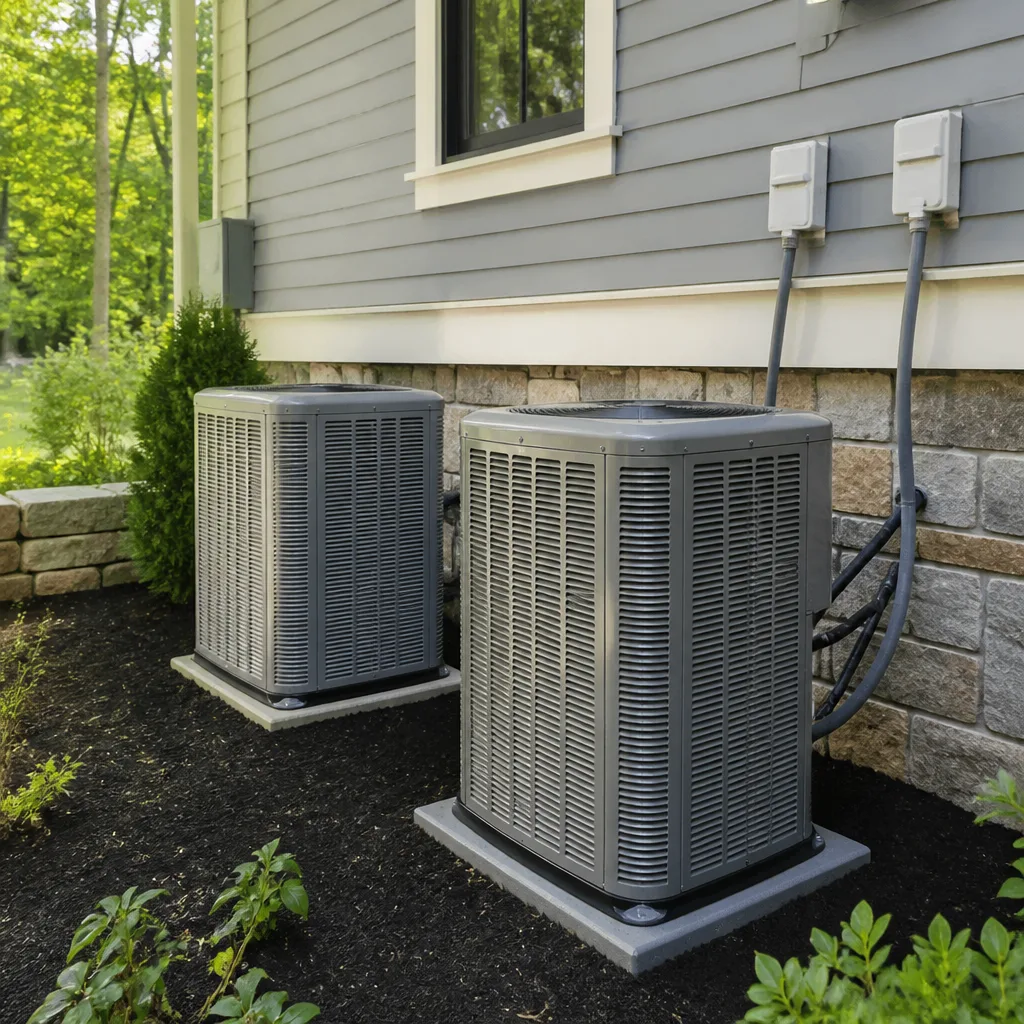 Heat pumps
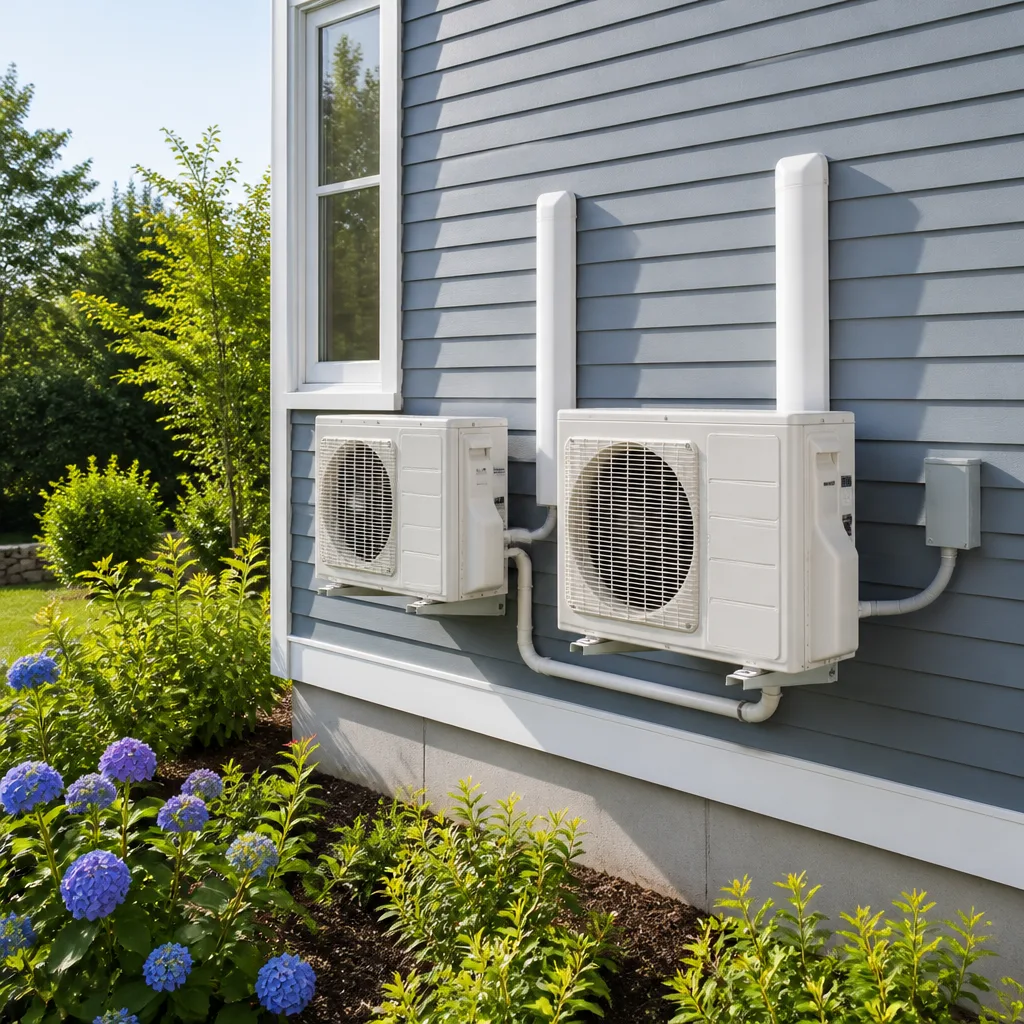 Ductless mini splits
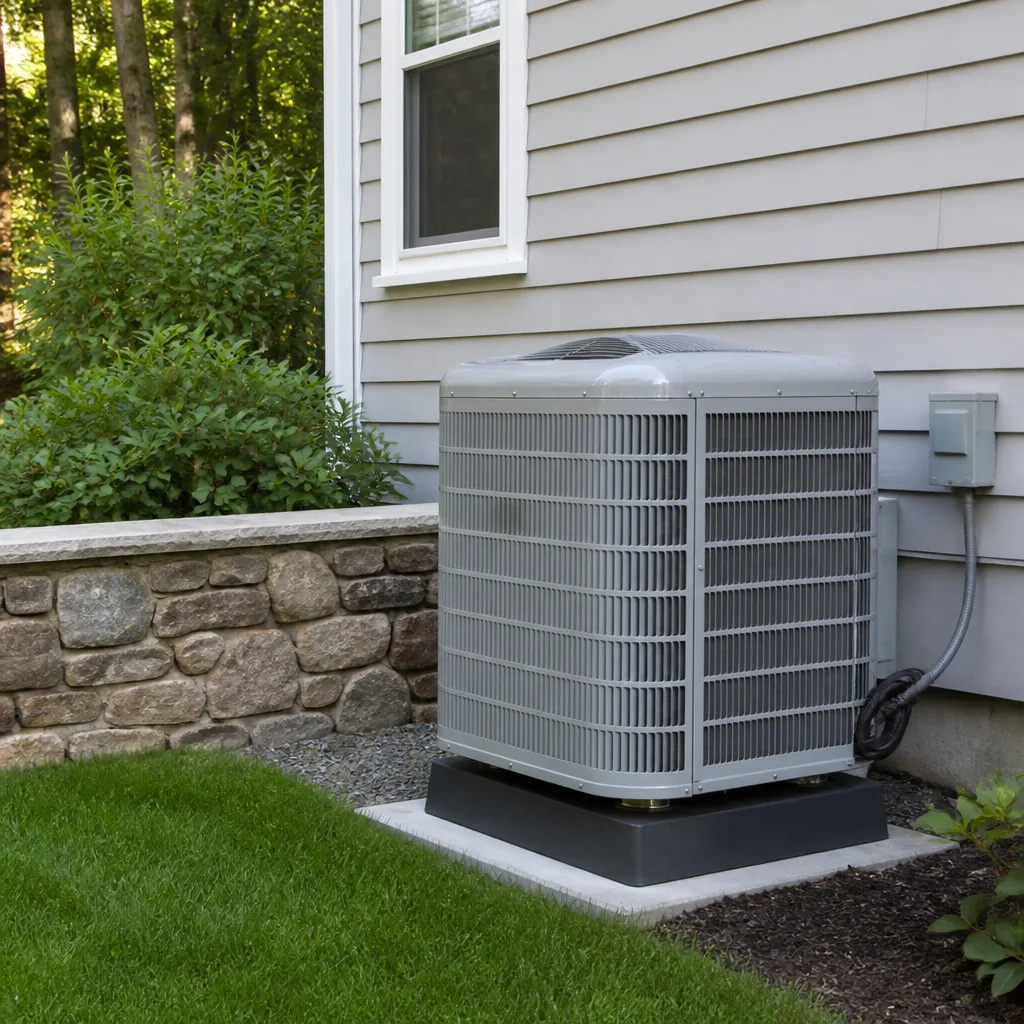 Carrier
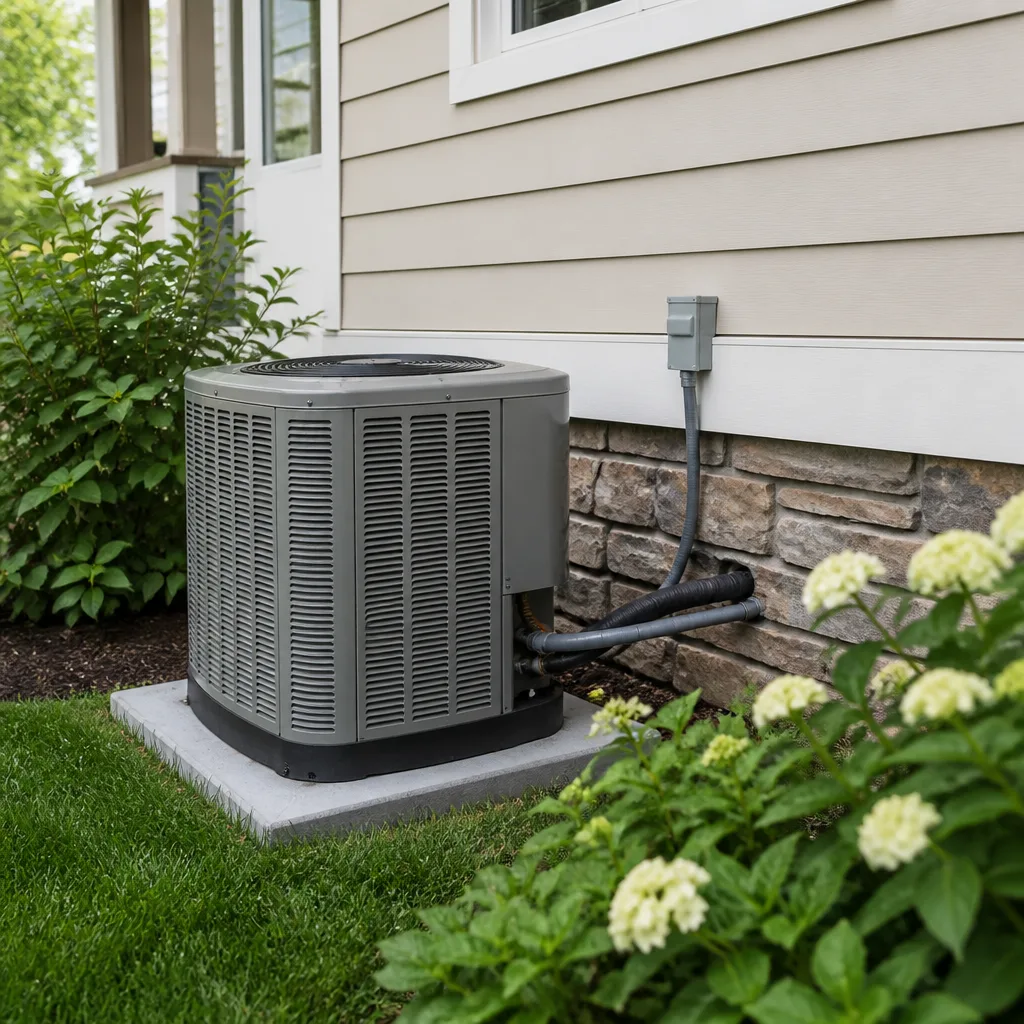 Trane
Trane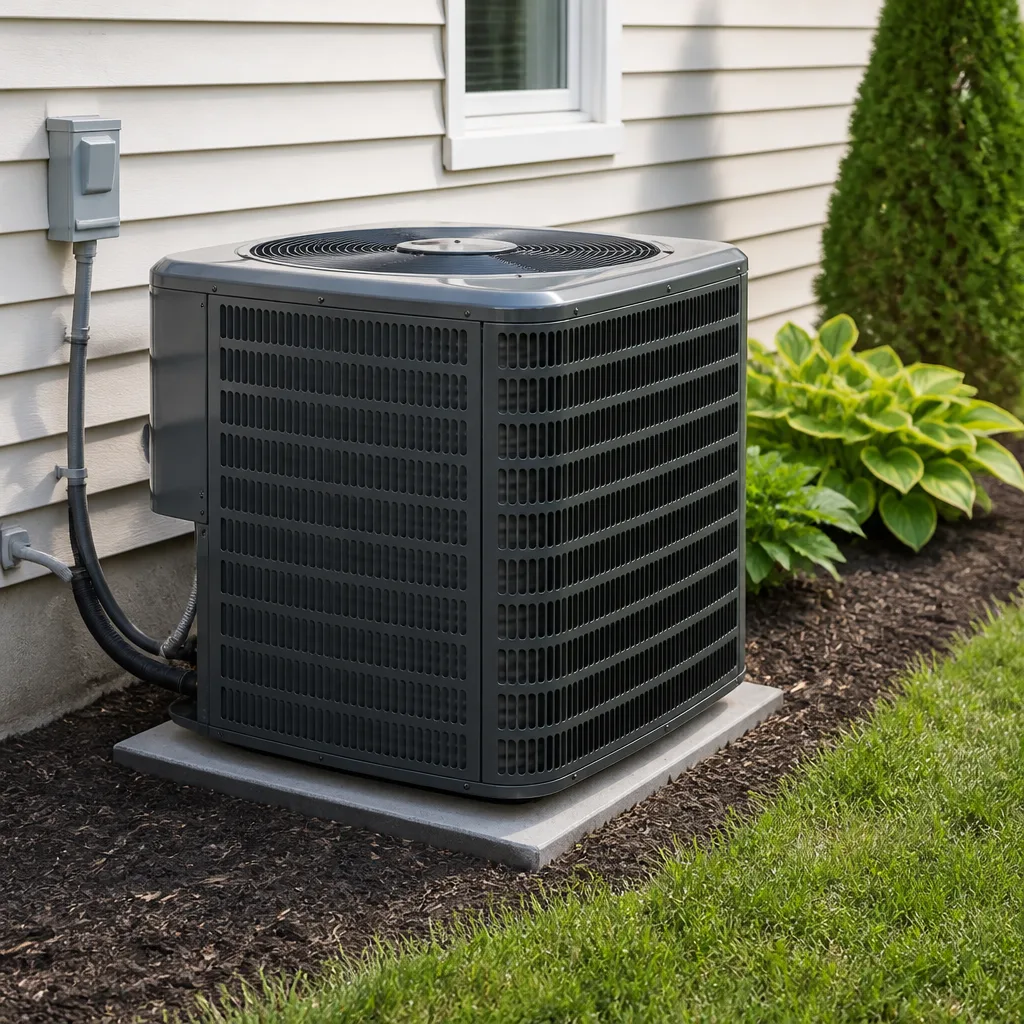 Goodman
Seasonal tune-up and full diagnostic on your Carrier, Trane, or Goodman system - readings shown to you before any repair is proposed
Diagnosis first, numbers second - you approve the repair price before a single part goes in.
Get your free estimateHow to Hire a HVAC Contractor in Houston: A Step-by-Step Guide
The Texas Department of Licensing and Regulation logged more than 1,200 HVAC-related complaints in a recent 12-month period. That number should stop you cold, because almost none of those complaints were about equipment failure. They were about the hire itself: the no-show, the price that changed at the door, the permit that never got pulled, the warranty that evaporated when the truck left the driveway. This guide walks you through hiring an HVAC contractor in Houston the way you’d hire any professional for a five-figure decision: with a paper trail, a verification step, and a clear set of expectations in writing before anyone touches your system. For more guides & resources, visit our blog.
Quick Answer
To hire an HVAC contractor in Houston, verify the company’s Texas license on the TDLR website, require a written estimate with line-item parts and labor before any work begins, confirm the arrival window and the consequence for missing it, and get the warranty terms in writing. The contractors worth hiring will do all four without hesitation. Anyone who pushes back on the paper trail is telling you something useful about how the job will go.
Styles & brands we work with
Table of Contents
- Step 1: Verify the Texas HVAC License on TDLR (Under Two Minutes)
- Step 2: Require a Written Estimate With Line-Item Detail
- Step 3: Understand Why Pre-Arrival Pricing Matters More Than the Final Number
- Step 4: Evaluate the Arrival Window and the Consequence for Missing It
- Step 5: Get the Warranty Terms in Writing, Not in a Handshake
- Step 6: Ask About Cleanup and Old Equipment Removal Before You Sign
- Step 7: Ask the Questions That Reveal How a Company Actually Operates
Step 1: Verify the Texas HVAC License on TDLR (Under Two Minutes)
Every HVAC contractor performing work in Houston must hold an active license issued by the Texas Department of Licensing and Regulation. Not a city permit. Not a business registration. A TDLR air conditioning and refrigeration contractor license. The agency maintains a public license search tool at tdlr.texas.gov, and checking a company takes less time than reading this section.
Here’s the process:
- Go to the TDLR website and open the license search page.
- Enter the company’s legal business name exactly as it appears on their estimate or website.
- Confirm the license type reads “Air Conditioning and Refrigeration Contractor” and the status reads “Active.”
- Check the expiration date. A license expiring in 30 days is a yellow flag. An expired license is a red flag and a direct path to the complaint statistics mentioned at the top of this guide.
An expired or suspended license displays differently in the TDLR system than an active one. The status field will read “Expired,” “Suspended,” or “Revoked” in plain text, and the license number will typically lose its active color coding. If the company name you search returns no result, try the owner’s legal name or the registered business entity. If still nothing, you’re looking at an unlicensed operation, and in Houston that means no legal recourse through the state when the work goes wrong. For details on the regulatory side, see HVAC Permits, Codes & Inspections in TX: What You Need to Know.
Texas also requires HVAC technicians to carry their own registration or work under a licensed contractor’s supervision. You don’t need to check every technician individually when hiring a company, but a legitimate Houston contractor will list their TDLR license number on their estimate, their website, and their vehicles. If it’s missing from all three, ask why.
Step 2: Require a Written Estimate With Line-Item Detail
In Houston, the heat and humidity punish HVAC systems year-round. Compressors fail in August. Heat strips fail in January. The work is expensive because it is technically demanding, and that is exactly why a specific written estimate is non-negotiable. For a detailed look at what drives those costs, see our HVAC Cost Breakdown: The Houston Homeowner’s Reference for 2026. A written estimate with line-item detail is not a formality. It is the single strongest consumer protection a homeowner has in the state of Texas.
Before you sign anything, your estimate should include:
- Line-item parts with model numbers. If a contactor is being replaced, the estimate should say which contactor, what brand, what model. “Contactor replacement: $85” is not a line item. “Carrier HN51KC024 contactor, part number 12345, $85” is a line item.
- Labor hours broken out. How many hours, at what rate, and what that total is. Not “labor included.” Hours, rate, total.
- Warranty terms in writing. Exactly what is covered, for how long, and what happens if the repair fails. “We guarantee our work” means nothing. “This repair is guaranteed for 365 days; if it fails within that period, we return at no charge” means everything.
- Total price, including tax. The number you will pay. Not an estimate range. A number.
- Payment terms. When payment is due. What forms of payment are accepted. Whether a deposit is required and how much.
- A company with a real standard will answer immediately: the diagnostic fee is waived, or the call gets bumped to first priority, or the technician calls with a re-routed ETA before the window closes.
- A company without a standard will stammer. They’ll talk about traffic. They’ll say “we’ll do our best.” Houston traffic is real, but so is leaving an hour early.
- Duration. 30 days is the industry standard minimum. A full 365-day guarantee is a different class of accountability. Dalton Heating & Air writes a 365-Day Done Right Promise on every repair: if it’s not done right, it gets made right, for a full year.
- Coverage. Parts and labor, or parts only? A parts-only warranty means if the replacement part fails, the part is free but you’re paying labor again. That’s a real cost. Dalton’s guarantee covers the repair, full stop.
- Remedy. What happens when the repair fails? Dalton’s written guarantee includes a free second visit if the repair fails within the guarantee period. No prorating. No service fee. The technician returns and makes it right.
- Exclusions. What is not covered, stated clearly. If the warranty excludes damage from power surges or homeowner tampering, that should be in writing too. Know what you’re signing.
- Who removes the old condenser, air handler, or furnace? Is that included in the price?
- Who hauls away packaging, refrigerant cylinders, and job debris? Is that in the written scope?
- If refrigerant recovery is required by law, who does it and is the documentation provided?
- Do you service my system’s brand? Dalton Heating & Air services nine major residential HVAC brands: Carrier, Trane, Lennox, Goodman, Rheem, York, Daikin, Bryant, and American Standard. If a contractor says “we work on everything” without naming brands, ask which manufacturers their technicians are factory-trained on. There’s a difference between “we’ve seen one of those” and “we train on them.”
- Is your diagnostic fee applied to the repair? Some Houston companies charge a diagnostic fee and then add it on top of the repair. Others roll the diagnostic fee into the repair total. Know which one you’re dealing with before the tech arrives.
- Does a live person answer the phone at 2 a.m.? Houston AC failures don’t happen between 9 and 5. They happen at 2 a.m. in August when the compressor finally gives up after a 103-degree day. Dalton answers calls with a live person 24/7. Not a voicemail queue. A person.
- Are your technicians background-checked and uniformed? You should know who is coming to your door before they ring the bell. Dalton sends the technician’s name before arrival, and every technician is background-checked and uniformed.
- Who pulls the permit? For system replacements in Houston, permits are required by the city. The contractor should pull them, not ask you to figure it out. If they suggest skipping the permit, that’s the end of the conversation.
At Dalton Heating & Air Houston, every job includes a written price before any work starts. That’s not an optional add-on. It’s the operating standard. Marco Benitez, who runs the Houston location, put it plainly: a contractor unwilling to put a number in writing before touching your system is a contractor who wants room to change the number later.
Step 3: Understand Why Pre-Arrival Pricing Matters More Than the Final Number
“We’ll give you a price when we see it” is the most common sentence in the Houston HVAC industry, and it’s the one that should make you hang up the phone. That sentence is not a pricing policy. It’s a process problem dressed up as a diagnostic necessity.
Here’s what that sentence actually means when a contractor says it: the company has no standardized parts pricing, so the technician sets the number based on what they think you’ll pay. That is not a diagnosis. That is a negotiation, and you’re on the wrong end of it. A contractor with written, pre-arrival pricing commits to a flat diagnostic fee, standardized parts pricing pulled from a price book, and labor rates set before the technician rings your doorbell. The number may still vary based on what’s broken, but the math is transparent and consistent.
At Dalton Heating & Air, the price is in writing before work begins. Always. No exceptions. That’s The Garrison Standard, the operating code every Garrison Partners location has followed since 2003. The technician shows up with a price book, not a blank stare. The diagnostic fee is a flat number you know when you book. The parts prices are pulled from the same book every technician uses. When Marco Benitez sends a technician to a home in Sugar Land or The Heights, that technician is not inventing numbers in the driveway.
This also matters for a reason most guides miss: written pre-arrival pricing protects the technician too. A tech with transparent pricing never has to defend a number they made up. They just do the work. That’s why contractors with strong pricing discipline have lower technician turnover, and lower turnover means the person in your attic has seen the problem before.
Step 4: Evaluate the Arrival Window and the Consequence for Missing It
Every Houston HVAC company will tell you they show up on time. Almost none of them will tell you what happens when they don’t. The difference between a two-hour window backed by a stated consequence and a four-hour window with no accountability is the difference between a company that manages schedules and a company that hopes for the best.
Here’s the question to ask: “What happens if you miss the window?” Listen carefully to the answer.
Dalton Heating & Air operates under The Garrison Code, which includes a specific obligation: arrive inside the stated window. If the technician misses it, the homeowner hears about it before the window closes, with a revised time and an explanation. That’s not a promise invented for a website. It’s a daily operating rule, and it’s enforced on every call from Katy to Kingwood.
One more layer: ask whether the company uses GPS dispatch and whether the technician’s name and photo are sent before arrival. Knowing who is coming is not a luxury in Houston. It’s a basic security check. Dalton sends the technician’s name and background-check status before the truck leaves the previous job.
Step 5: Get the Warranty Terms in Writing, Not in a Handshake
A verbal warranty in Texas is worth exactly what it costs: nothing. The TDLR complaint data is full of homeowners who were told “we’ll take care of you if it breaks” and then called a disconnected number when it broke three weeks later. Written warranty terms are the only warranty terms.
Here’s what a real written warranty specifies:
This is another place where pre-arrival written pricing and warranty terms connect. A company that writes everything down is a company with a process. A company with a process is a company that can honor a warranty six months later, because the paper trail from the original job still exists.
Step 6: Ask About Cleanup and Old Equipment Removal Before You Sign
This is the question homeowners in Houston never think to ask until they’re standing in a garage full of packaging and an old condenser unit that the crew left against the fence. Who removes the old equipment? Who hauls the cardboard and plastic? Is any of this in the written scope?
The answer tells you more about a company than any marketing claim. A contractor who includes cleanup and equipment removal in the written scope is a contractor who has done the job enough times to know it isn’t done until the driveway is clean. A contractor who says “we’ll figure it out” is a contractor who will leave the old unit in your yard and act confused when you call about it.
Ask these three questions:
Texas and federal law require proper refrigerant recovery when replacing a system. It’s not just a cleanliness issue. A technician venting refrigerant is breaking the law and harming the Houston environment. A contractor who includes proper recovery in the written scope is doing the job by the book. That’s a phrase worth remembering: by the book. Dalton’s crews follow The Garrison Code, which mandates leaving the site clean, and that’s part of the written job scope on every install, not a favor the tech does when they feel like it.
Step 7: Ask the Questions That Reveal How a Company Actually Operates
By this point, you’ve verified the license, demanded a line-item written estimate, required a stated consequence for a missed window, and put the warranty and cleanup terms in writing. You’ve eliminated most of the contractors in Houston. Now ask the final round of questions that separate the disciplined operations from the improvisers.
Here’s the short list that matters:
These questions are not hostile. They’re procurement. And in Houston, where the seasonal load on HVAC systems is relentless from April through October, hiring a contractor is procurement with a capital P. You’re buying a relationship with a company that will stand in your attic at 2 a.m. and tell you the truth about what broke. If you’re unsure whether your system needs help now, check our HVAC Warning Signs: A Houston Homeowner’s Reference Guide. Choose accordingly.
Common Mistakes to Avoid
- Hiring without checking the TDLR license. An unlicensed contractor in Houston has no accountability to the state, and the TDLR complaint data exists because this mistake happens constantly. Check the license before the tech arrives, not after the invoice is signed.
- Accepting a verbal estimate. If the price isn’t in writing, the price doesn’t exist. Houston contractors who refuse to write numbers down are contractors who intend to change them.
- Signing a contract without reading the warranty terms. A handshake warranty is not a warranty. If the duration, coverage, and remedy aren’t spelled out in the contract, assume there is no warranty.
- Choosing the lowest bid without comparing scope. Two estimates that differ by $400 usually differ in scope. One includes equipment removal and permit fees. The other doesn’t. Read the line items, not just the bottom number.
- Skipping the cleanup question. Homeowners in Houston regularly end up hauling their own old condenser to the curb because nobody asked who removes it. Ask before you sign.
- Ignoring the arrival-window accountability gap. A four-hour window with no consequence for missing it is not a scheduling policy. It’s a hope. Two-hour window with a stated fee waiver or callback priority is a process.
- Failing to ask if the company services your specific equipment brand. Not every Houston contractor trains on every brand. A company that services your Goodman or Rheem system from day one will diagnose faster and repair more accurately.
See the difference
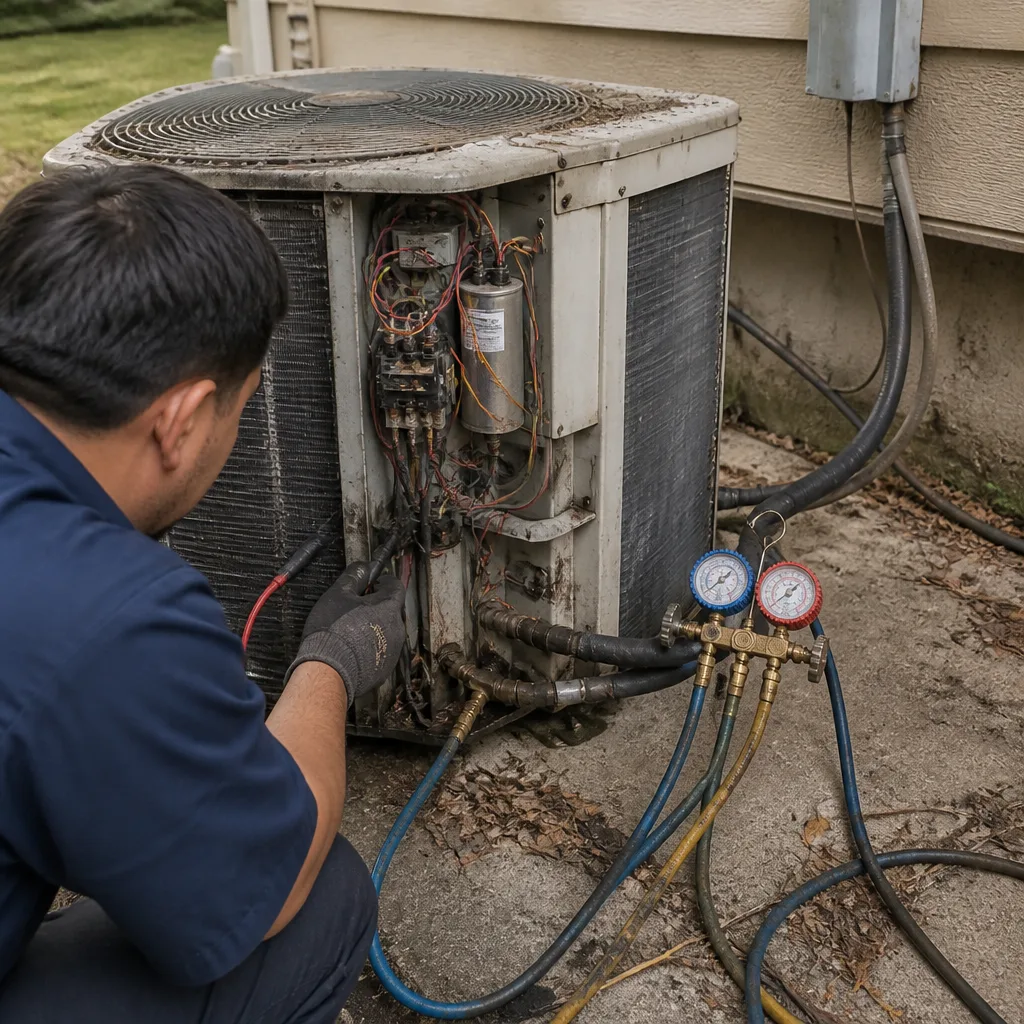 Before
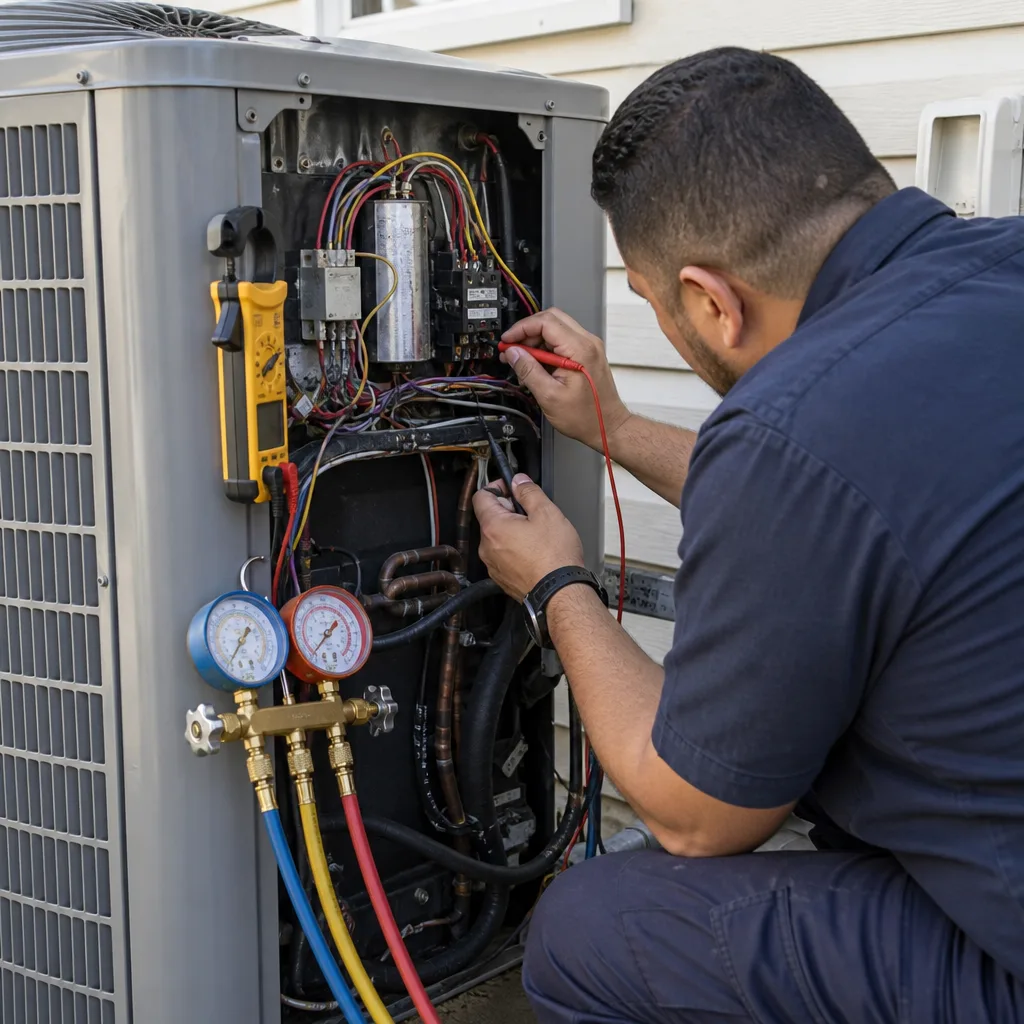 After
After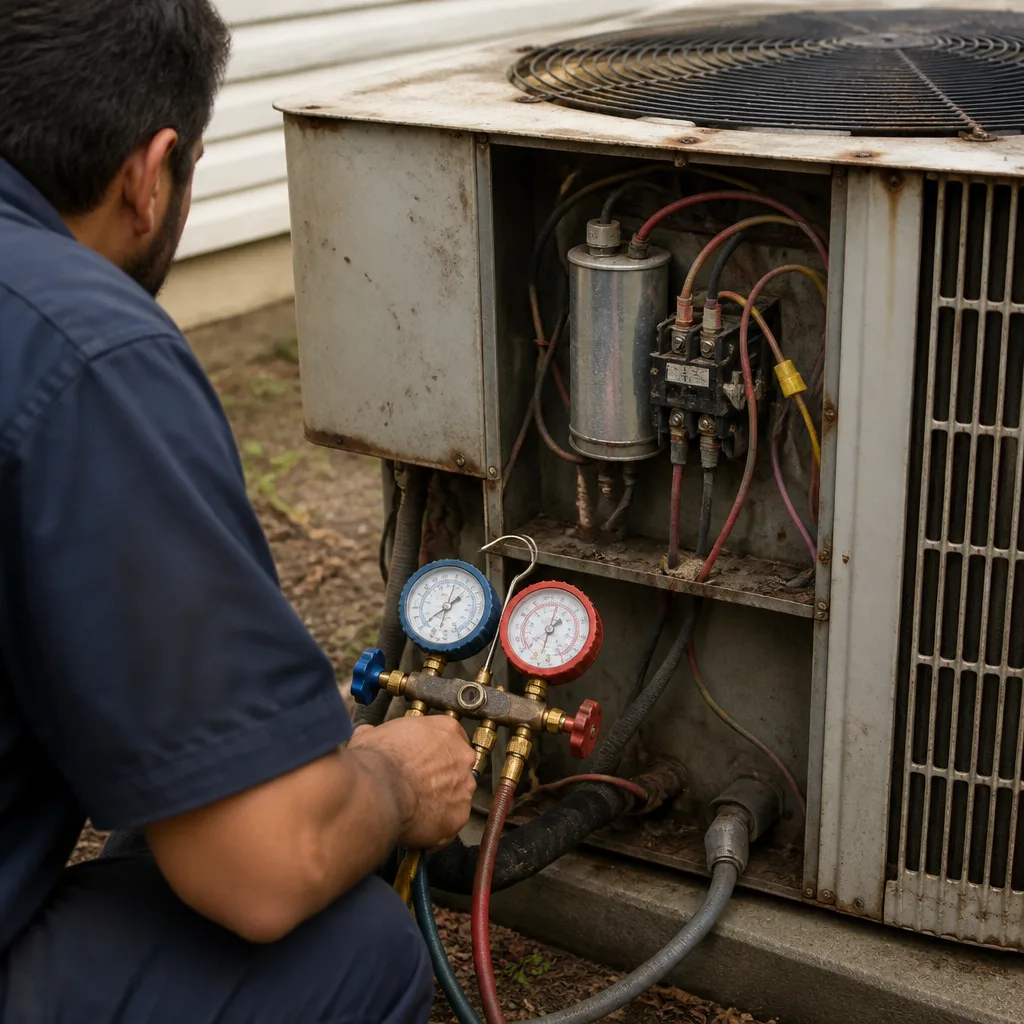 Before
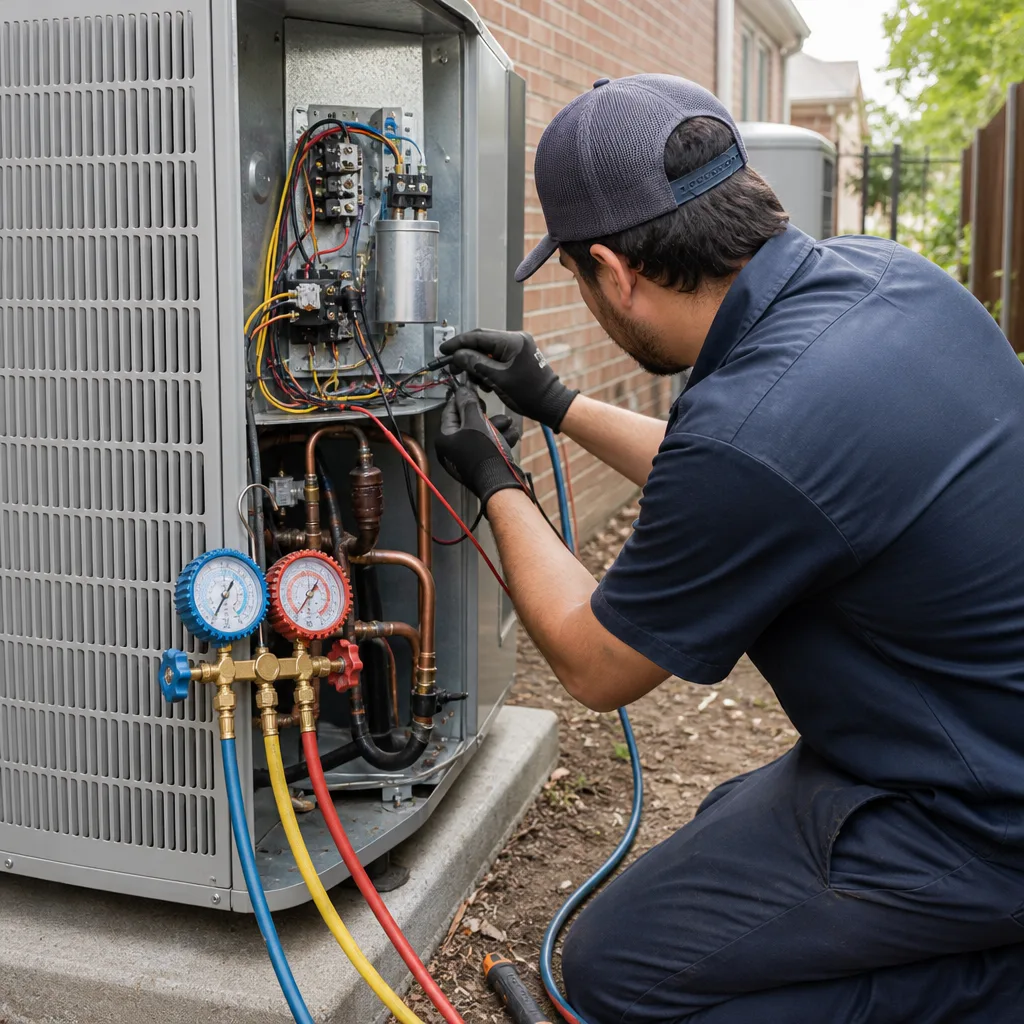 After
After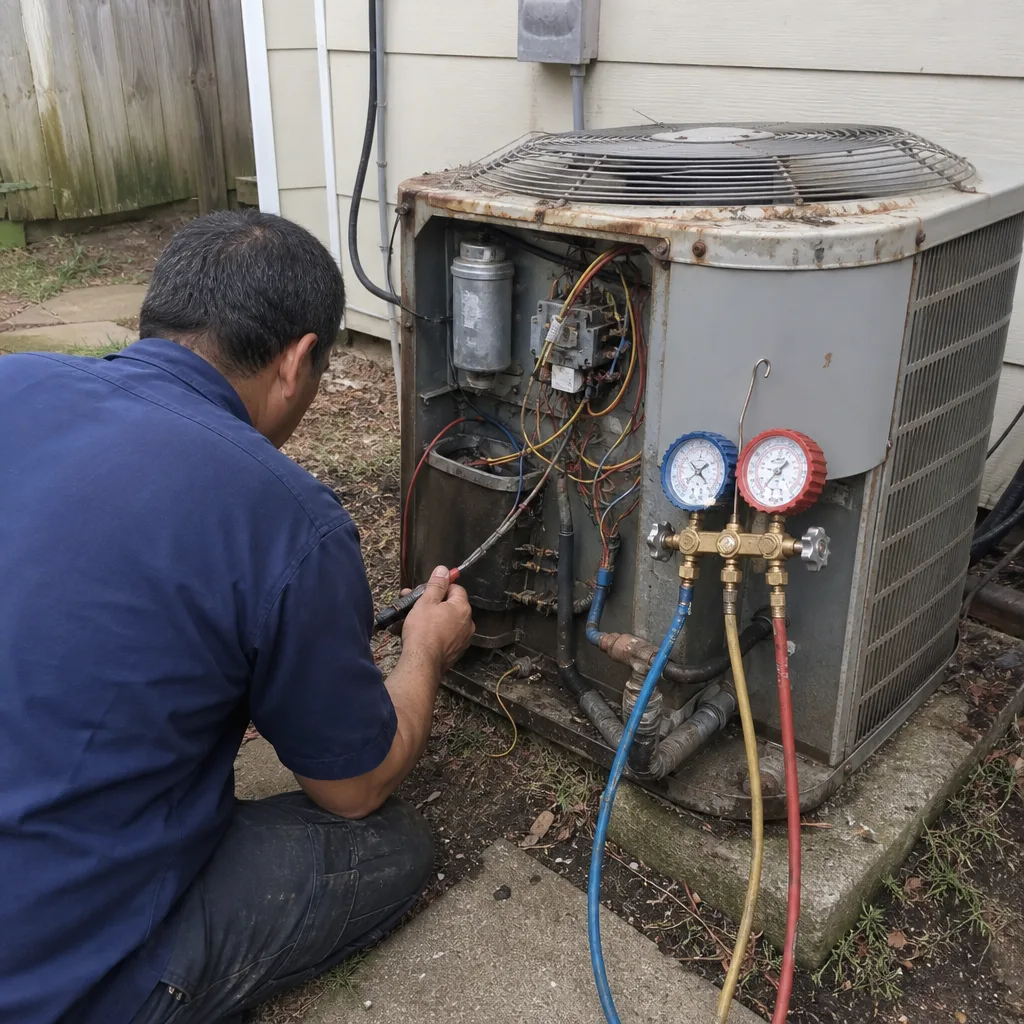 Before
 After
AfterWhen to Call a Professional
Some HVAC situations in Houston are not DIY territory, and the line is brighter than most homeowners think. Call a licensed contractor if you hear grinding or screeching from the outdoor unit, if the system is blowing warm air on a 90-degree day, if your circuit breaker trips repeatedly when the AC cycles on, or if you smell burning from the vents. These are signs that components are failing under load, and running the system through the failure risks damaging the compressor, which turns a $300 repair into a $3,000 replacement. If your heat pump is icing over in the Houston humidity or your furnace is short-cycling in a January cold snap, call a professional before the problem compounds. Dalton Heating & Air Houston offers free estimates across Houston, and you can reach a live person any hour at (903) 494-7686. If you need AC repair, our Houston AC repair service covers everything from refrigerant recharge to full compressor replacement. For heat pump-specific issues, our heat pump installation and service page covers the details. And if your furnace is the problem, Houston furnace repair walks through what we check and what it typically costs. For a full picture of who we are and how we operate, start at the Dalton Heating & Air Houston home page.
Frequently Asked Questions
Search the company’s legal name on the TDLR license search page and confirm the license type reads “Air Conditioning and Refrigeration Contractor” with an “Active” status. An expired, suspended, or revoked license will display that status in plain text in the system, and an unlicensed company will return no result at all.
A written estimate should include line-item parts with model numbers, labor hours broken out with the hourly rate, warranty terms in writing, the total price including tax, and payment terms. Any estimate missing these elements is an invitation to change the number later. Call (903) 494-7686 for a written estimate from Dalton Heating & Air, with the price in writing before any work begins.
Most HVAC repairs in Houston run between $150 and $450 depending on the part, with capacitor replacements on the low end and compressor work on the high end. Full system replacements in Houston typically range from $6,000 to $12,000 depending on tonnage, efficiency rating, and brand. Call (903) 494-7686 for an exact quote on your specific system.
Replace the system if the repair costs more than 30% of the system’s replacement value, or if the unit is over 12 years old and uses R-22 refrigerant, which is no longer manufactured and increasingly expensive in Houston. Repair makes sense for isolated component failures on systems under 10 years old. A written estimate with the repair cost in hand makes this decision straightforward.
The Garrison Standard is the operating code every Garrison Partners HVAC location has followed since 2003. It requires written pricing before work begins, on-time arrival inside a stated window, background-checked uniformed technicians, work performed to manufacturer specifications, clean job sites, and a 365-day written guarantee on every repair. Dalton Heating & Air Houston operates under The Garrison Standard on every call, no exceptions.
Dalton Heating & Air services nine major residential HVAC brands: Carrier, Trane, Lennox, Goodman, Rheem, York, Daikin, Bryant, and American Standard. If your system is one of these brands, our technicians are factory-trained on it. If you’re unsure, call (903) 494-7686 and we’ll confirm before scheduling.
The Bottom Line
Hiring an HVAC contractor in Houston is not a referral guess. It’s a procurement decision with a paper trail, and the homeowners who treat it that way avoid the three failure modes that generate most TDLR complaints: unlicensed work, prices that change at the door, and warranties that disappear when the truck leaves. Verify the license on TDLR. Require a line-item written estimate. Demand an arrival window with a consequence. Get the warranty in writing. Ask about cleanup and old equipment removal. If a contractor pushes back on any of these, that’s your answer. Dalton Heating & Air Houston has followed The Garrison Standard since 2003, with written pricing before any work starts, a 365-day written guarantee on every repair, and a live person answering the phone 24/7. Call (903) 494-7686 for a free estimate, and you’ll know exactly what the job costs before anyone touches your system.
Written by Marco Benitez, Owner at Dalton Heating & Air Houston, serving Houston since 2003.