
Last updated October 16, 2026
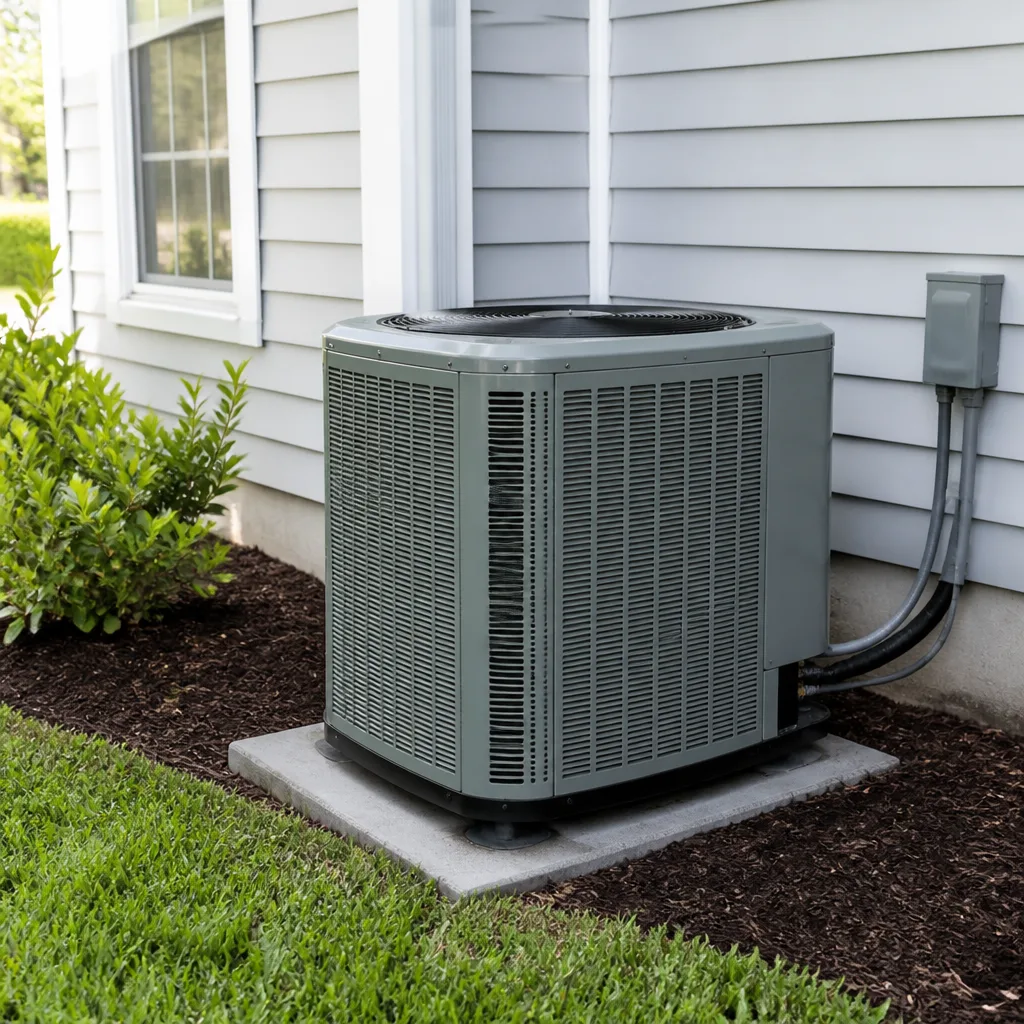 AC repair
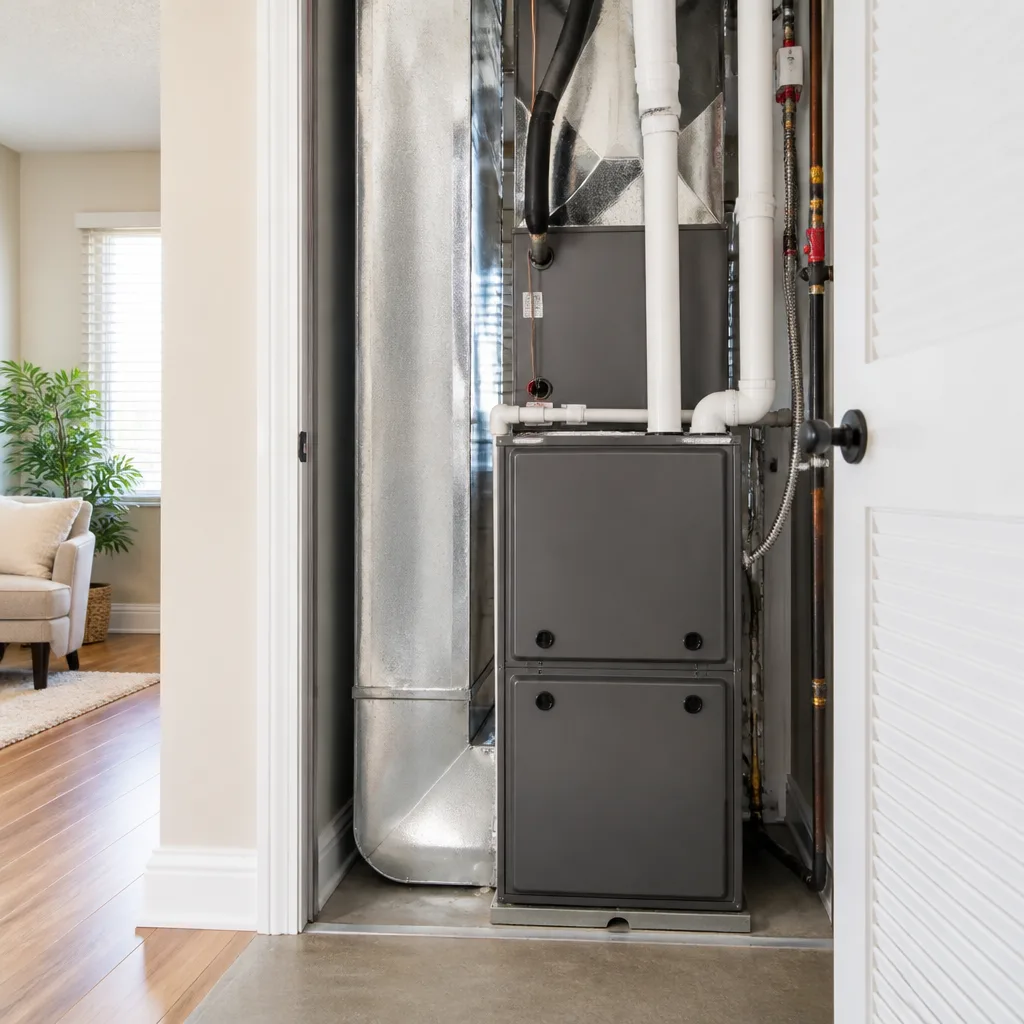 Furnace & heating
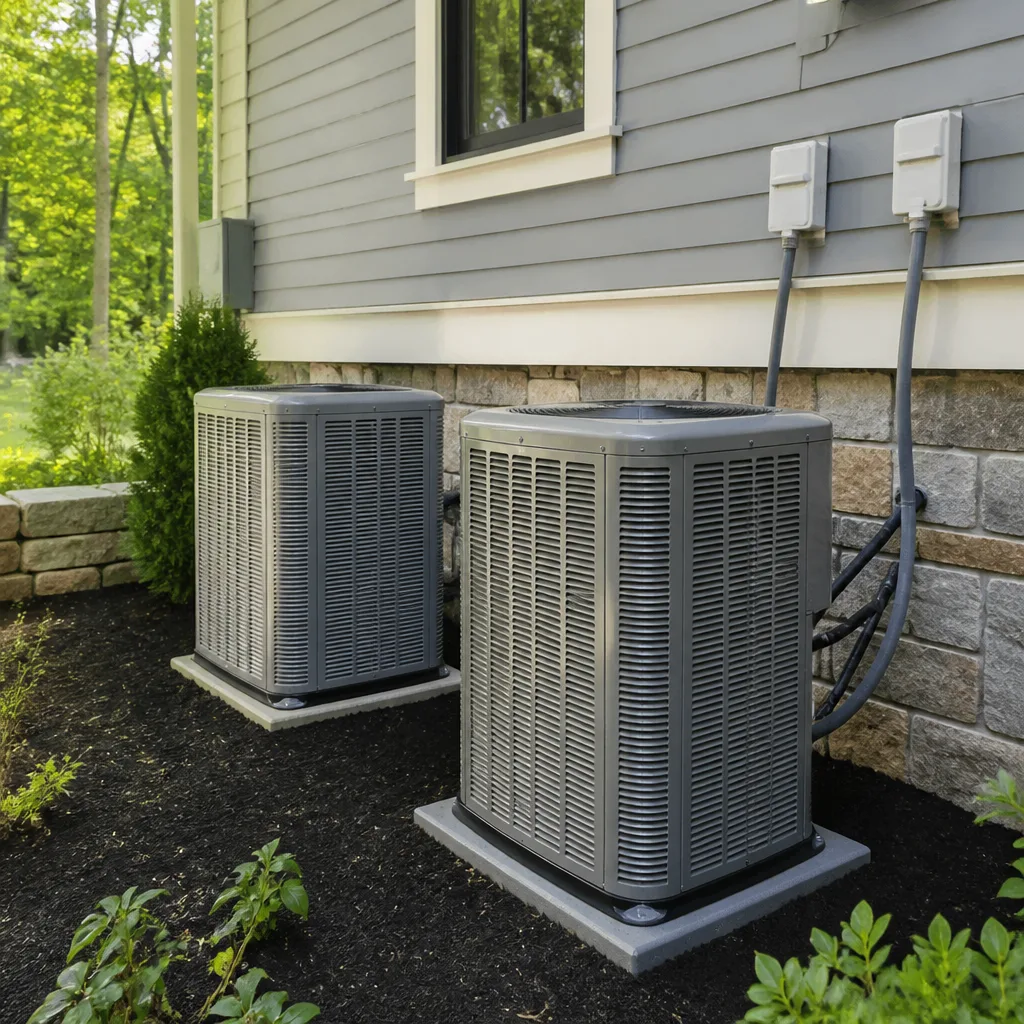 Heat pumps
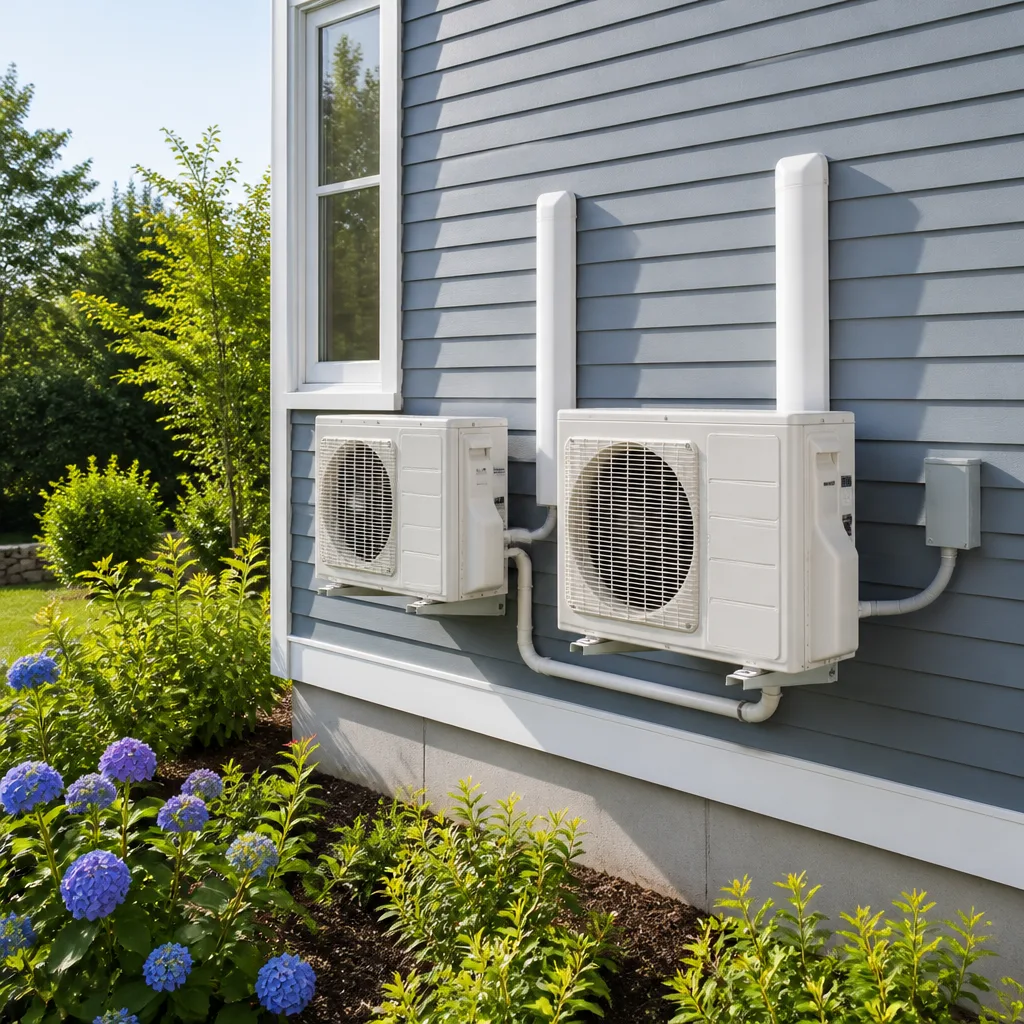 Ductless mini splits
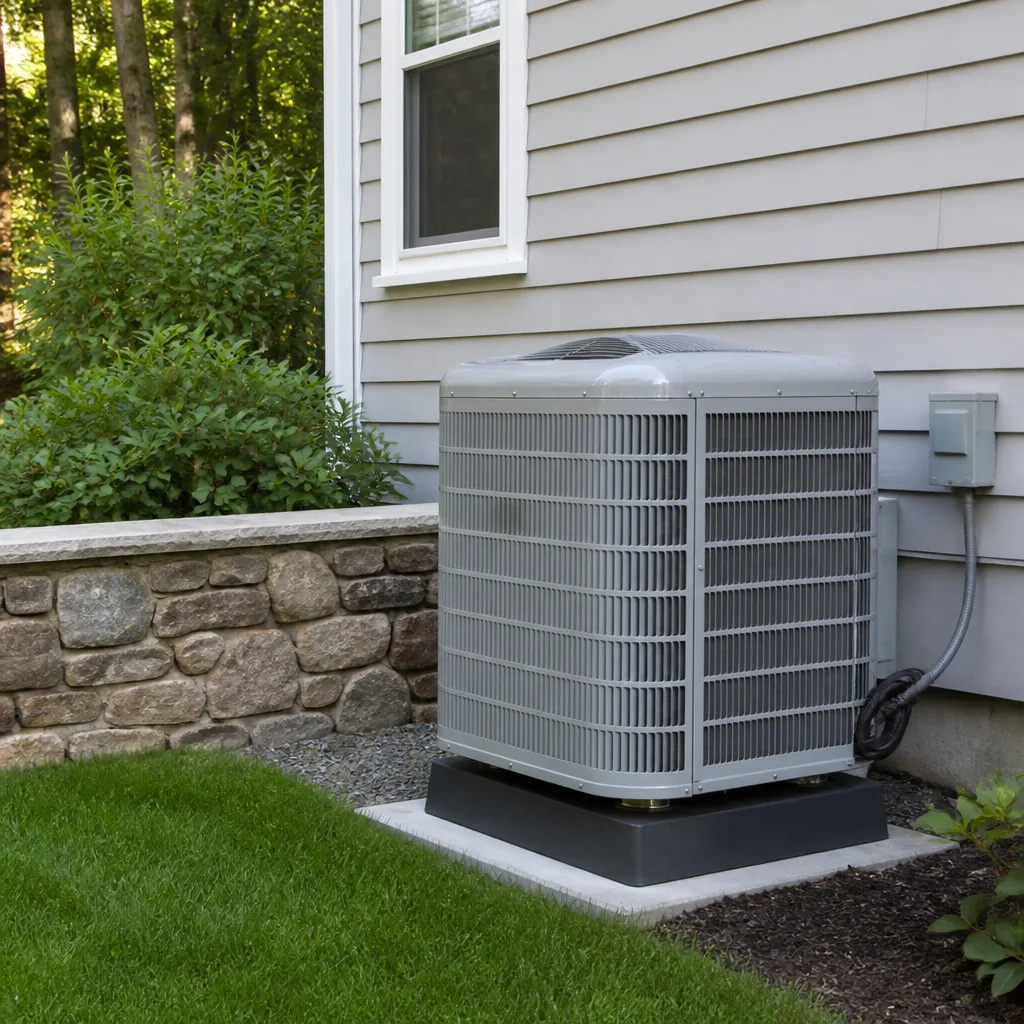 Carrier
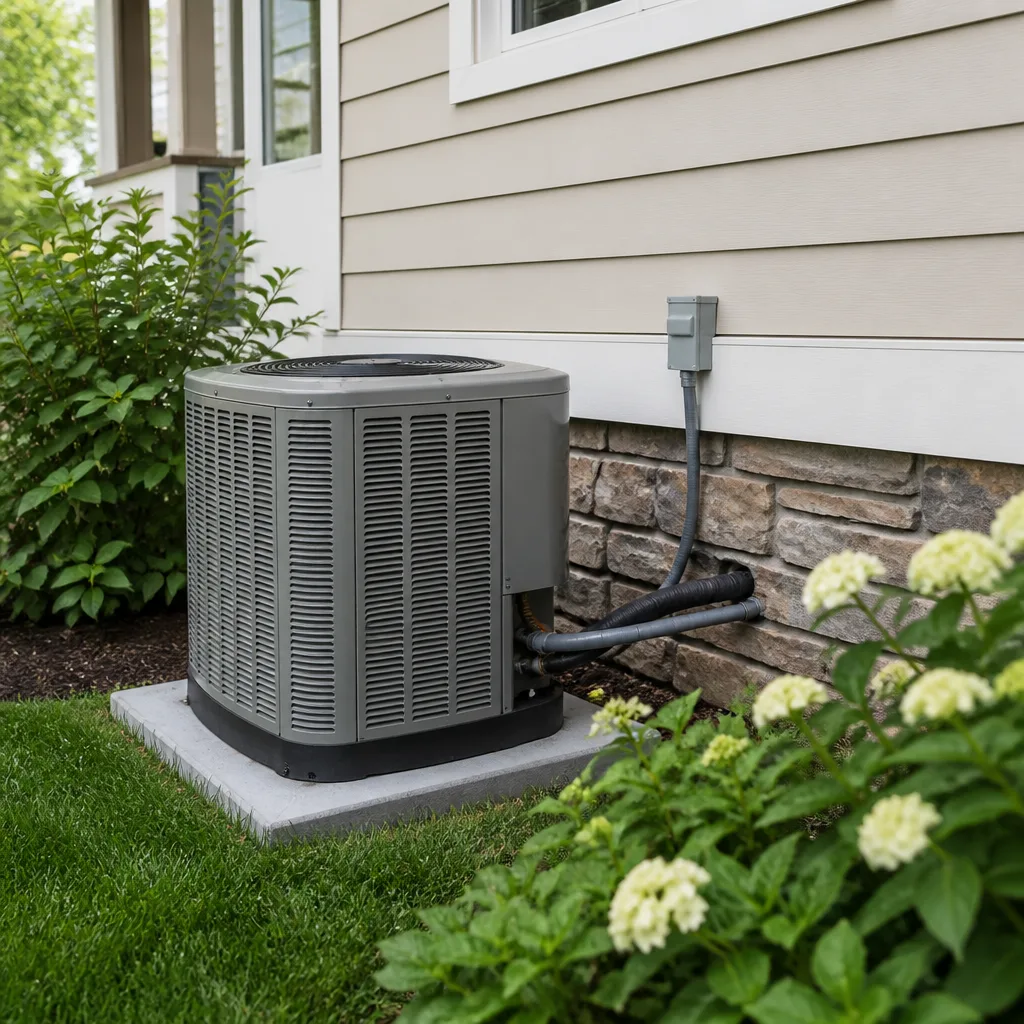 Trane
Trane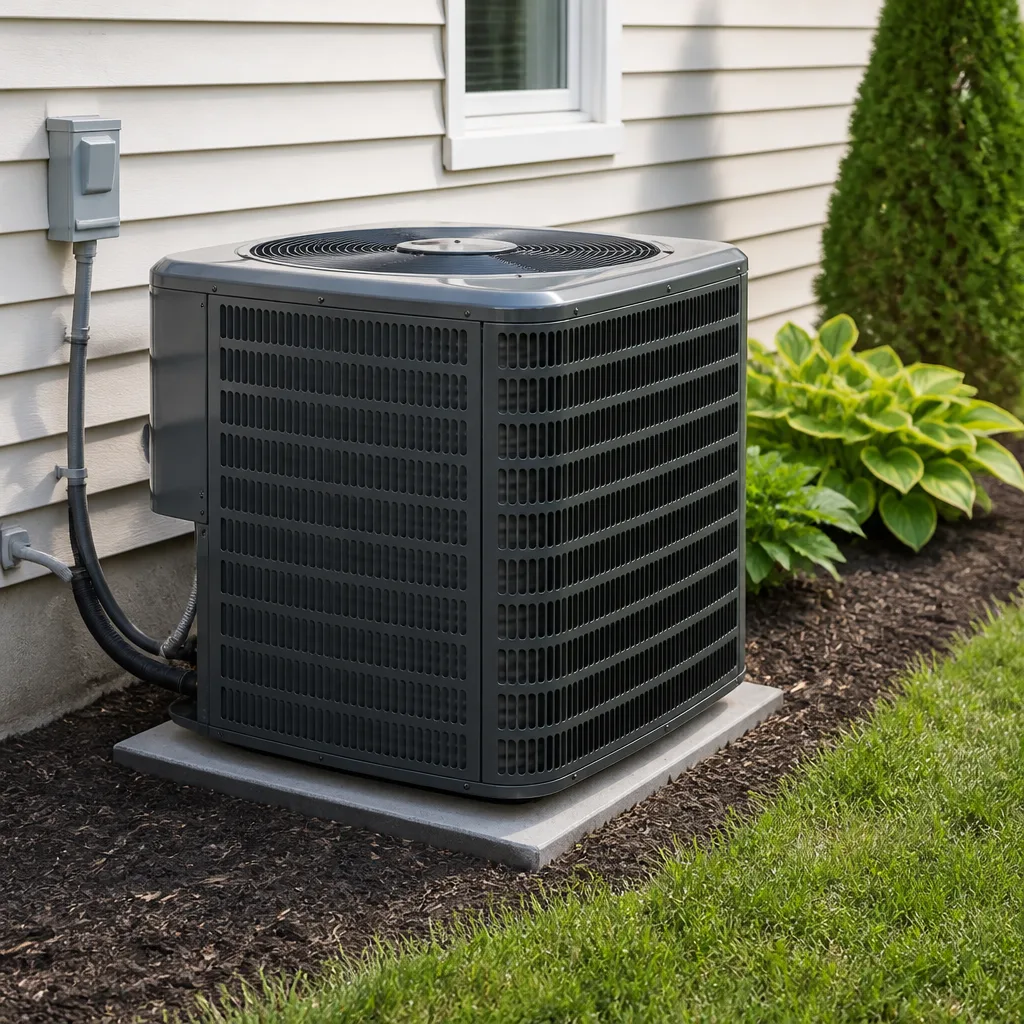 Goodman
Seasonal tune-up and full diagnostic on your Carrier, Trane, or Goodman system - readings shown to you before any repair is proposed
Diagnosis first, numbers second - you approve the repair price before a single part goes in.
Get your free estimateHVAC Warning Signs: A Houston Homeowner’s Reference Guide
Here’s what most “warning signs” guides get wrong: they describe symptoms that are loud, obvious, and already expensive. The compressor is screaming. The coil is a block of ice. The system flat-out quit. That’s not a warning sign. That’s a failure. This guide is different because Houston’s climate is different. We run equipment harder, longer, and in worse humidity than almost any other major metro, and that means the early signals of trouble show up here first and move faster. By the time a Houston AC goes down in August, it has usually been telling you something for four to six weeks. This reference guide explains how to read those signals, what they cost to fix when you catch them early, and what they cost when you don’t. For a broader overview, see The Complete Guide to HVAC in Houston.
Styles & brands we work with
Quick Answer
The earliest HVAC warning signs in Houston are a supply air temperature that’s warmer than usual, a compressor that cycles on and off in bursts shorter than eight minutes, indoor humidity that creeps above 60 percent even when the house feels cool, and utility bills that jump more than 15 percent year-over-year for the same weather. Catching any one of these in the first two to six weeks usually means a $150 – $450 repair instead of a $1,200+ compressor replacement or a full system swap. Use our AC Repair Maintenance Checklist for Houston Homeowners to stay ahead of these issues. If you notice any of them, call (903) 494-7686 for a straight answer and a written price before any work begins.
Table of Contents
- The Two-Degree Warning: Using Delta-T to Catch Problems Weeks Early
- Short-Cycling: What It Sounds Like and Why Houston Makes It Worse
- Humidity That Won’t Drop: The Silent Performance Killer
- Drain Pan Water vs. Drain Pan Staining: Reading the Evidence
- The Dollar-Per-Degree-Day Test for Utility Bill Increases
- What We See by Brand: Goodman, Rheem, York, and Daikin in Houston
- The Two-to-Six-Week Triage: What to Check and When
- Common Mistakes to Avoid
- When to Call a Professional
- Frequently Asked Questions
- The Bottom Line
The Two-Degree Warning: Using Delta-T to Catch Problems Weeks Early
A Houston AC that starts blowing air two degrees warmer than the thermostat setpoint is showing the earliest measurable sign of refrigerant loss or coil fouling, roughly four to eight weeks before it stops cooling altogether. That’s the hook, and it’s the single most useful diagnostic fact a homeowner can have. Here’s how it works. Your system doesn’t blow “cold air” at some fixed temperature. It blows air that’s 15 to 20 degrees cooler than the air it pulls in from the house. That temperature difference is called delta-T, and it’s the first number a good technician checks on every call.
Here’s how to measure it yourself with a $12 infrared thermometer:
- Run the system for at least 15 minutes so temperatures stabilize.
- Point the infrared thermometer at the return grille – the one that pulls air in – and record the reading.
- Point it at the supply register closest to the air handler – the one that blows air out – and record that reading.
- Subtract the supply temperature from the return temperature. That’s your delta-T.
The healthy range is 15 to 20°F. If you’re seeing 13°F or lower on a properly running system, something is degrading. In our experience across Houston, the most common causes are a slow refrigerant leak (the system’s cooling fluid is literally escaping at a rate too slow to notice as a sudden failure), or a condenser coil that’s accumulated a layer of Houston’s fine clay dust and cottonwood fuzz. Both conditions get worse gradually, then suddenly. The temperature difference window is your two-to-six-week early warning.
One caveat: delta-T changes with humidity. On a muggy Houston morning when indoor humidity is above 65 percent, the system is pulling moisture out of the air, not just cooling it, and delta-T will read a degree or two low even on a healthy system. Measure on a day when humidity is in a normal range, or compare two readings taken a week apart under similar weather. If the number is dropping consistently, the system is talking to you.
Short-Cycling: What It Sounds Like and Why Houston Makes It Worse
A compressor that runs in bursts shorter than eight minutes is short-cycling, and it’s one of the most common early failure patterns we see on Houston AC systems. You’ll notice it inside the house as a system that kicks on, runs for four or five minutes, shuts off, then kicks on again 10 or 15 minutes later. The house never quite reaches the cool, dry comfort you’re used to, even though the system seems to be running constantly. It’s a distinct rhythm: on, off, on, off, in a pattern that feels rushed, not relaxed.
Why does this matter mechanically? A compressor is lubricated by the refrigerant oil that circulates through the system. On startup, it takes a few minutes for that oil to fully circulate and distribute. When a compressor starts, runs briefly, and shuts down repeatedly, it spends an outsized portion of its operating life running with less-than-optimal lubrication. That means wear is accelerated. A compressor that short-cycles for a full Houston cooling season ages roughly twice as fast as one that runs in normal 20-to-40-minute cycles. The failure mode is usually a seized compressor or a burned-out start capacitor, and by then you’re not fixing a part, you’re replacing a component that can run $1,200 to $2,800 depending on your system.
Houston makes short-cycling more common than drier climates because of head pressure. Head pressure is the pressure the compressor works against on the discharge side. In high outdoor heat – our 95°F-plus afternoons – combined with high indoor humidity, the system works against more resistance. If the refrigerant charge is even slightly off, or if the condenser coil is dirty, head pressure spikes past safe limits and the system’s high-pressure safety switch shuts the compressor down. That’s the “off” part of the cycle. It’s not the thermostat telling the system to stop. It’s the system protecting itself from destroying itself.
The diagnostic question is whether the short-cycling is temperature-driven or pressure-driven. A system that short-cycles only on the hottest afternoons, when it’s 97 outside and the sun is hitting the condenser, is telling you it’s working against excessive head pressure – often from a dirty condenser coil or slightly overcharged refrigerant. A system that short-cycles at all times of day is more likely an airflow problem: a dirty filter, a collapsed duct, or a failing blower motor. Both are fixable early. Neither fixes itself.
Humidity That Won’t Drop: The Silent Performance Killer
The indoor relative humidity number that signals a struggling HVAC system in Houston is 60 percent or above, indoors, for 24 hours or more, while the AC is running. That’s the line. A properly operating system should hold your indoor relative humidity between 45 and 55 percent even in mid-August. If you’re seeing 60, 62, 65 percent on a $15 hygrometer while the thermostat says 74, your system is cooling but it has stopped dehumidifying properly. And in Houston, that’s a failure in its own right – the dehumidification is half the reason you’re comfortable.
Here’s the mechanical explanation, in plain terms. An AC system removes moisture from the air by passing it across a cold evaporator coil. Water condenses on that cold surface and drains away. That drying process works best when the coil stays cold and the air moves across it at the right speed. Two specific failures break the process:
- Low refrigerant charge: The coil isn’t getting cold enough, so less water condenses. The air comes out cool but clammy.
- Oversized system or wrong blower speed: Air moves across the coil too fast to drop much moisture, and the system reaches thermostat setpoint before it has run long enough to dry the air. This is a design or installation problem that shows up as a house that’s cold but sticky.
The failure cascade in Houston is predictable. High humidity forces you to run the thermostat lower to feel comfortable, which makes the system run longer, which accelerates wear and pushes the electric bill up 20 to 30 percent across a summer. Meanwhile, sustained indoor humidity above 60 percent invites mold growth on drywall, in ducts, and around supply registers. The AC repair in Houston can cost less than $400 for a refrigerant top-off, while mold remediation in a duct system can run into the thousands. The humidity reading is your cross-check: if the air comes out cool but the indoor humidity won’t drop below 60, call before the problem migrates.
Drain Pan Water vs. Drain Pan Staining: Reading the Evidence
Every AC system in Houston produces water. In our humidity, a properly functioning system can pull five to 20 gallons of condensation out of the air every day. That water collects in a drain pan under the evaporator coil, then flows by gravity or pump out a drain line. So water in the drain pan is normal. A puddle is normal. What we’re teaching you to read is the difference between an active problem and a historical record.
Standing water in the drain pan that persists for hours after the system has cycled off is an active problem. It means the drain line is partially clogged. The most common culprit in Houston is biological growth – the warm, dark, wet interior of a drain line is a perfect environment for algae and bacterial slime to build up. A partially clogged line drains slowly. The water level rises. If it rises far enough, the float switch (if your system has one) shuts the system down entirely, or the pan overflows and soaks whatever is below it – often a ceiling, sometimes a furnace circuit board. A slow-draining pan is a $100 – $200 fix if caught early. A pan that overflows is a water-damage claim.
Staining in the pan, especially white or chalky mineral deposits, is a historical record, not an urgent call. It tells you the pan has seen standing water at some point in the past – water evaporated and left behind the minerals that were dissolved in it. That record is useful: it tells us the drain line has clogged before, and it will clog again unless the line gets a proper cleaning, not just a quick blow-out. But staining alone does not mean the system is currently failing. If the pan is dry when the system cycles off, and the drain line is draining during operation, you have time. This is the kind of distinction that saves a homeowner from paying for a same-day emergency call that wasn’t actually an emergency.
Here’s a simple check: note the water level in the pan when the system first starts up in the morning. Check it again just before the system cycles down for the night. If the level stays roughly stable and drops after the system shuts off, the drain is working. If the level rises through the day, or if water remains standing an hour after shutdown, the drain needs service before it becomes an emergency.
The Dollar-Per-Degree-Day Test for Utility Bill Increases
Houston electric bills rise in summer. That’s expected and it’s not, by itself, a warning sign. You need a way to separate a normal bill increase from equipment degradation, and the tool that works is the dollar-per-degree-day calculation. It sounds complicated. It’s actually a 10-minute exercise that gives you a hard number.
Degree days measure how much cooling demand a given day puts on your system. A cooling degree day (CDD) accumulates whenever the average outdoor temperature for a 24-hour period exceeds 65°F – the temperature above which most Houston homes need cooling. A day with an average temperature of 85°F contributes 20 CDDs. Weather data by month for Houston is published freely online by the National Weather Service and by your own electricity provider, so you don’t have to calculate it yourself.
Here’s the test, step by step:
- Pull your electric bill for this month and the same month one year ago.
- Divide each bill’s total dollar amount by the number of CDDs for that billing period. That gives you dollars per degree day.
- Compare the two numbers.
The interpretation: if your dollars-per-CDD this August is within 10 percent of last August, your system is performing about the same as it was last year, and the higher bill is just weather. If it’s up 15 percent or more for the same or similar CDDs, the system is working harder to produce the same cooling, and that means something has degraded. The usual suspects, in order of frequency in Houston: refrigerant undercharge, dirty condenser coil, failing run capacitor causing the compressor to draw excess current, or a blower motor that’s losing efficiency. A 15 percent efficiency loss across a full Houston cooling season is often $200 to $400 in excess electricity, which means the repair often pays for itself in the same season it’s made.
One more number for context: in our experience, a healthy 3-ton system in a 2,000-square-foot Houston home runs roughly 10 to 12 hours per day at peak summer and draws about 3 kW while running. That’s the baseline. If your system is running 14 or 15 hours a day to hold the same temperature, or if the same runtime is producing a higher bill, the math points to inefficiency somewhere. The bill is a diagnostic instrument. Learn to read it.
What We See by Brand: Goodman, Rheem, York, and Daikin in Houston
Different manufacturers build to different tolerances, and after 20-plus years of servicing every major brand in the Houston market, we’ve learned where each one tends to fail first. Not because any of them are bad machines – all four of these brands are solid. But each has a personality, and knowing the personality tells you which warning sign to watch for first on your specific system.
Goodman systems are common in Houston tract housing and spec-built homes because they’re value-priced at installation. They cool well and parts are inexpensive. What we see most on Goodman units in Houston is early capacitor failure – the run capacitor is the small cylinder that gives the compressor and fan motor the extra torque to start, and Houston’s heat plus grid voltage fluctuations take a toll on them. The warning sign is a compressor that hums for two or three seconds before starting, or an outdoor fan that starts slowly. Both are capacitor symptoms. A $40 part, a $200 service call. Catch it before the hard-starting burns out the compressor.
Rheem builds solid heat exchangers and the brand is popular in Houston’s mid-range replacement market. On Rheem systems, the pattern we see in this climate is condensate drain issues related to the evaporator coil orientation in horizontal attic installations. The pan design drains well when the unit is perfectly level, but Houston attics settle, and a half-degree slope change is enough to create a standing-water corner. The warning sign is moisture staining on the air handler cabinet or condensation on the outside of the ductwork near the unit. It’s a leveling and drain-line fix, not a system failure, if you catch it within the first few weeks.
York systems run strong, but we see a specific pattern on York compressors in Houston: they’re sensitive to low refrigerant charge, and they’ll short-cycle on low-pressure protection before other brands do. That’s actually a feature, not a flaw – it protects the compressor. But it means a York system will often start showing the short-cycling pattern described above earlier and at a smaller leak rate than other brands. If you have a York and it’s short-cycling, don’t wait. The compressor is being protected, but it’s also telling you something needs attention now.
Daikin mini-splits and variable-speed systems are getting more common in Houston’s remodeled bungalows and garage apartments. The failure pattern there is different because the equipment is different: the inverter boards and electronic expansion valves that make these systems so efficient are also the components most sensitive to Houston’s thunderstorms and the voltage spikes they bring. The warning sign on a Daikin is a unit that cools, but responds slowly to temperature changes, or error codes on the indoor unit’s display – numbers you can read and report to a technician before they arrive.
If you’re starting your search for a heat pump installation in Houston and trying to choose among these or the other five brands we service, the honest answer we give during the consultation is that the installation quality matters more than the brand name. The best equipment installed poorly will fail before a mid-range unit installed by the book. The Garrison Standard exists for exactly that reason.
The Two-to-Six-Week Triage: What to Check and When
Here’s the sequence we recommend for a Houston homeowner who suspects something is off but hasn’t pinned it down yet. Work through these five checks in order. Each one takes less than 10 minutes and each one either clears a possible problem or points you to the section above that explains it.
- Measure your delta-T. Run the system for 15 minutes, check return and supply temperatures with an infrared thermometer. Below 13°F? You’re in the four-to-eight-week window. Call for a service visit before it becomes a no-cool.
- Time your compressor cycles. On a 90°F-plus Houston afternoon, cycles should run 15 minutes or longer. Bursts under eight minutes, repeated, on a system that never quite reaches setpoint is short-cycling. Reference the section above for what that sounds like and why it matters.
- Check indoor humidity on a hygrometer. If it’s 60 percent or above for a full day while the system is running, the system is cooling but not dehumidifying. That’s an early refrigerant or airflow problem, not a comfort preference.
- Look at the drain pan. Standing water that doesn’t drain after system shutdown is an active clog – call before it overflows. Staining without standing water is a history lesson: note it, schedule a drain cleaning at the next service, but don’t panic.
- Run the dollar-per-degree-day test on two consecutive electric bills. If efficiency is down 15 percent or more year-over-year for the same CDDs, the system is working harder than it should be. The bill is the evidence. Bring it to the service call.
None of these checks requires tools beyond a $12 infrared thermometer and a $15 hygrometer. Both are available at any Houston hardware store. Together, they’ll catch the majority of developing failures before they become emergency calls, and they’ll make you a more informed customer when you do call. The technician who shows up will recognize the homeowner who’s done the homework – and the conversation goes faster when both sides speak the same language.
Common Mistakes to Avoid
- Ignoring a warmer-than-usual supply air because “it still cools.” A system that’s 70 percent effective still cools on mild days. The problem is it won’t be 70 percent effective on a 100-degree Houston afternoon, and by then you’re in the emergency queue.
- Setting the thermostat lower to compensate for poor cooling. Running the thermostat at 68 to get a 75-degree house doesn’t solve the underlying problem – it accelerates wear on the compressor and drives the electric bill up. Fix the cause, not the symptom.
- Adding refrigerant without finding the leak. Some Houston service companies will happily top off your system and leave. Refrigerant doesn’t burn off like gasoline. If it’s low, it leaked. Topping off without a leak search is a temporary patch that will fail again, and refrigerant isn’t cheap.
- Ignoring humidity because “the AC keeps us comfortable.” You’re comfortable because you’re compensating with lower temperature. The sustained high humidity is still feeding mold growth in ductwork and behind drywall. The damage accumulates even when you don’t feel it.
- Waiting for the system to fail completely before calling. A compressor replacement costs $1,200 to $2,800 depending on system size and brand. The conditions that destroy compressors – low refrigerant, short-cycling, high head pressure – are typically $150 to $400 repairs if caught in the two-to-six-week window. Every week of delay narrows the gap.
- Assuming a newer system doesn’t need attention. A system installed two years ago is just as capable of developing a refrigerant leak, a clogged drain, or a failing capacitor as a 15-year-old one. New does not mean immune. Run the checks periodically regardless of age.
- Dismissing the utility bill spike as “rates went up.” Rate changes happen, but they’re announced and they show up on the bill’s per-kWh line item. Run the dollar-per-degree-day test before you blame the utility company. The math will tell you whose fault it is.
When to Call a Professional
Some situations are checkable at home and worth monitoring. Others call for a service visit, period. Call a professional when the delta-T reading is consistently below 13°F, when the compressor short-cycles repeatedly on the same day, when indoor humidity stays at 60 percent or above for a full 24-hour cycle while the system is running, or when the drain pan holds standing water after shutdown. Also call when a strange sound is new – a hum, a rattle, a metallic ping – and when a circuit breaker trips more than once. Those are not normal. Dalton Heating & Air Houston operates by The Garrison Code: arrive inside the stated window, put the price in writing before starting, do the job by the book, leave the site clean, and stand behind the work for a full year. Dal Heating & Air Houston offers free estimates in Houston – call (903) 494-7686 and you’ll get a live person, 24/7.
Frequently Asked Questions
Measure your delta-T. If the difference between your return air and supply air temperatures is consistently below 13°F after the system has run for 15 minutes, a refrigerant undercharge is the most likely cause. The leak is slow enough that the system still cools, but it’s losing capacity every week. Call (903) 494-7686 for a written-price leak check before it becomes a no-cool call.
Running constantly without reaching setpoint is usually one of three problems: low refrigerant charge, a dirty condenser coil reducing heat rejection, or a system that was undersized for the home from the start. The first two are repairable. The third requires a load calculation and possibly a replacement. Any Houston technician who can’t tell you which one it is after 30 minutes of diagnosis isn’t doing the job the Garrison way.
Sustained indoor relative humidity of 60 percent or above while the system is running indicates the system has stopped dehumidifying properly. The cause is typically low refrigerant charge or incorrect airflow. At that level, you’re paying to run a system that’s only doing half its job, and you’re creating conditions that encourage mold growth in the ductwork and walls.
Yes, water in the drain pan during system operation is normal – a Houston system can produce five to 20 gallons of condensation per day. What’s not normal is water that remains standing in the pan after the system has cycled off. Persistent standing water means the drain line is partially clogged, and it usually costs $100 to $200 to clear before it overflows and damages whatever is below it.
Short-cycling on the hottest Houston afternoons is usually high head pressure – the compressor is working against too much resistance, typically from a dirty condenser coil or a refrigerant overcharge. The safety switch shuts it down to protect the compressor. If it happens only on the hottest days, a coil cleaning and charge check usually solves it. If it happens at all temperatures, look at airflow first.
Most early-warning repairs in Houston run $150 to $450: a capacitor replacement, a refrigerant top-off with leak search, a drain line clearing, or a condenser coil cleaning. The failures those problems produce – compressor replacement, water damage remediation, emergency no-cool service on a 100-degree day – start at $1,200 and go up from there. The cheaper route is catching the warning. Call (903) 494-7686 for a free estimate and a price in writing before any work starts.
The Bottom Line
Your Houston HVAC system talks to you for weeks before it fails. The supply air that’s two degrees warmer than it should be, the compressor that cycles in short bursts on hot afternoons, the indoor humidity that won’t come down below 60 percent, the drain pan that holds water after shutdown, and the electric bill that’s 15 percent too high for the weather – all of these are language you can learn to read with a $12 infrared thermometer and a $15 hygrometer. The 365-day window is the sweet spot: catch it early and you’re looking at a few hundred dollars and a same-week fix. Miss it and you’re replacing a compressor in August, when every contractor in the city is busy. Dalton Heating & Air Houston has been serving Houston since 2003, with a written guarantee on every repair and a free return visit if the work doesn’t hold. Explore more guides & resources on our blog, or call (903) 494-7686 and talk to a live person, any hour of any day. Call (903) 494-7686 and talk to a live person, any hour of any day.
Written by Marco Benitez, Owner at Dalton Heating & Air Houston, serving Houston since 2003.
See the difference
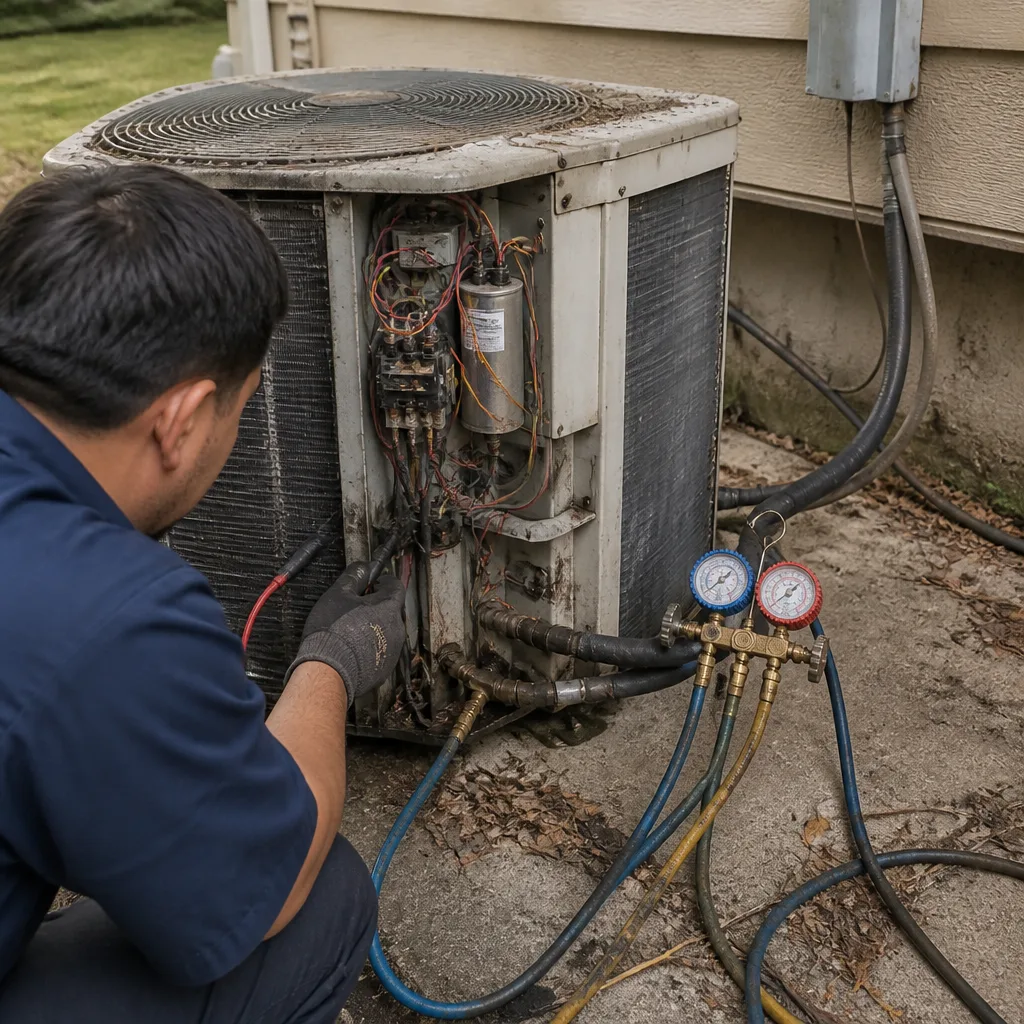 Before
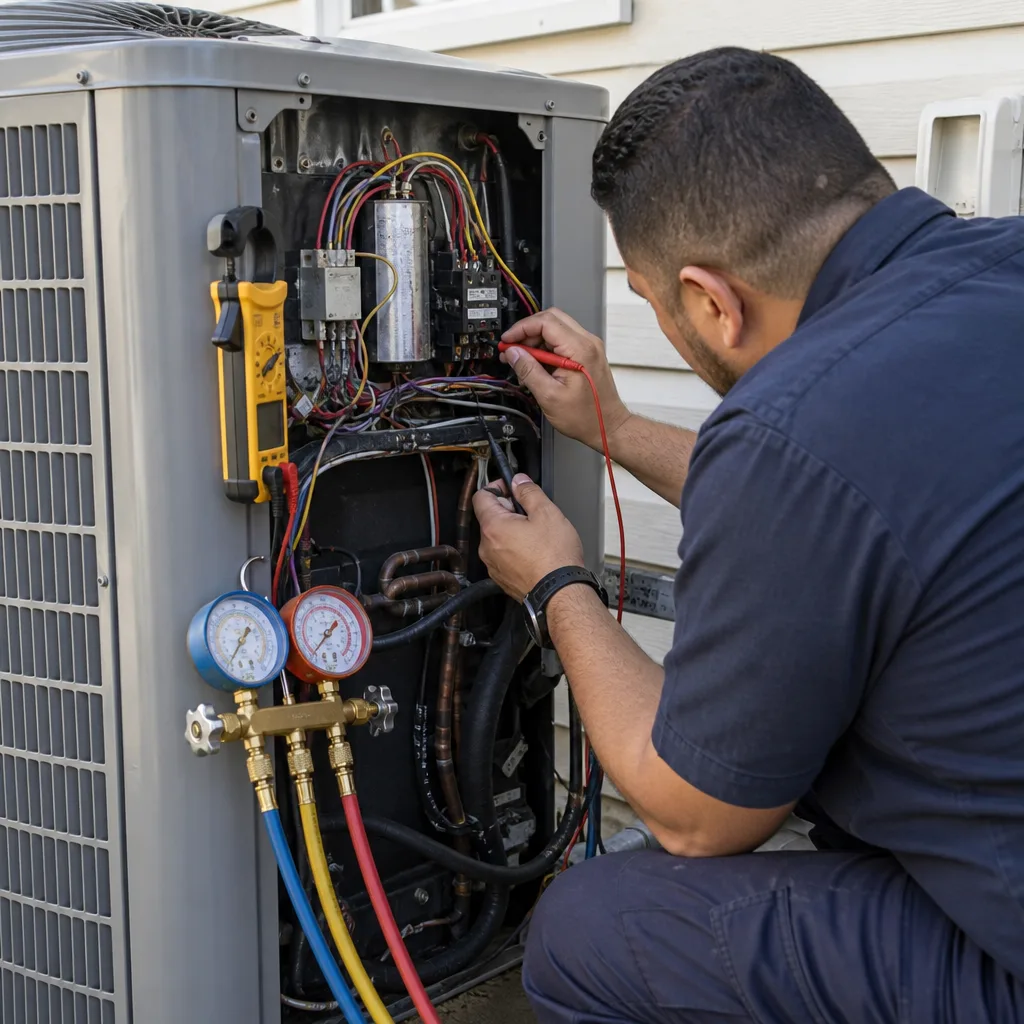 After
After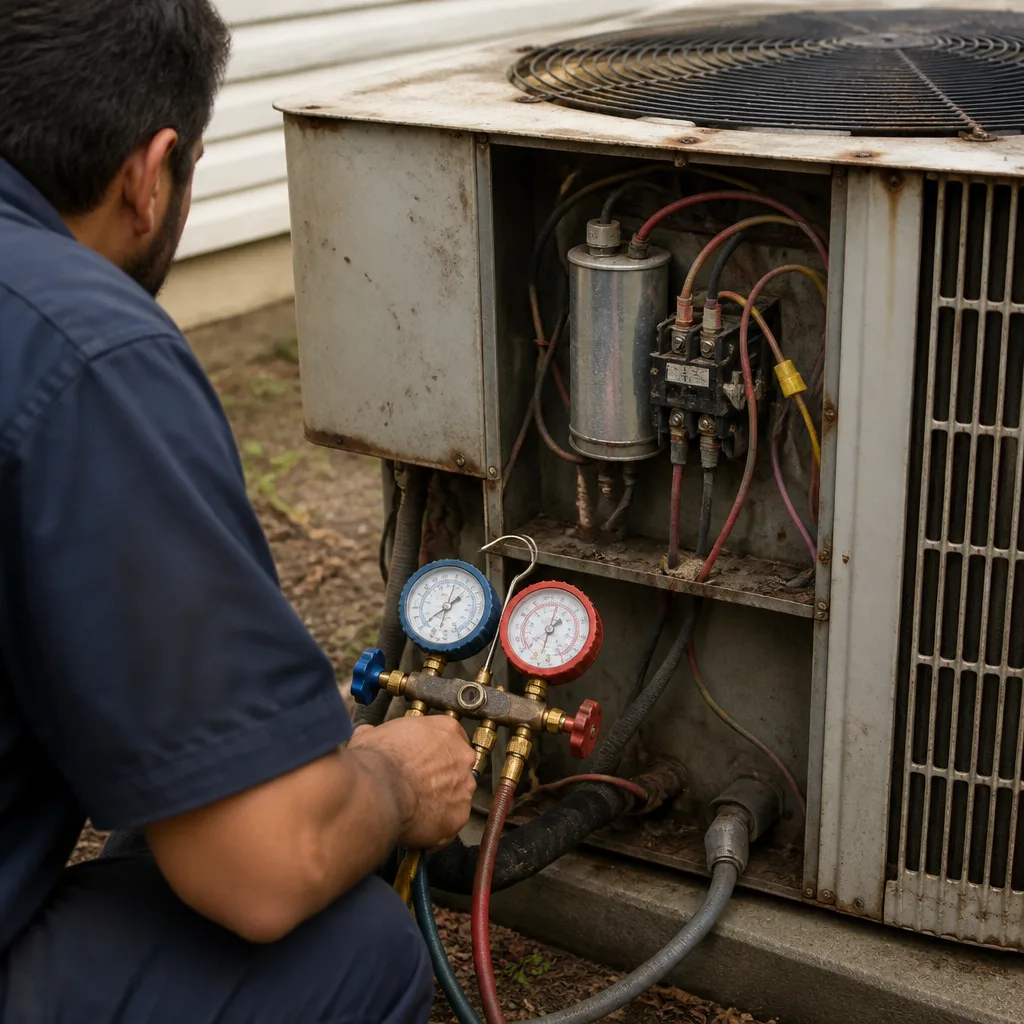 Before
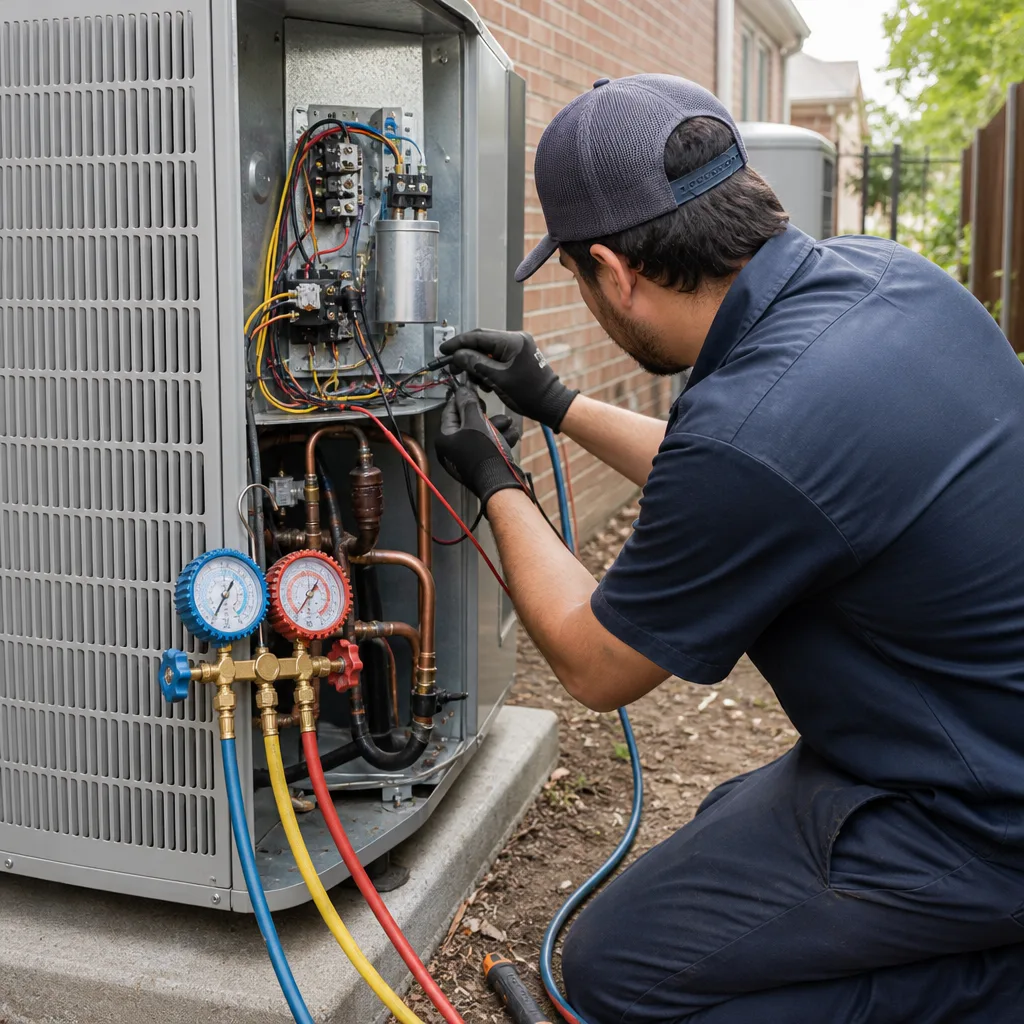 After
After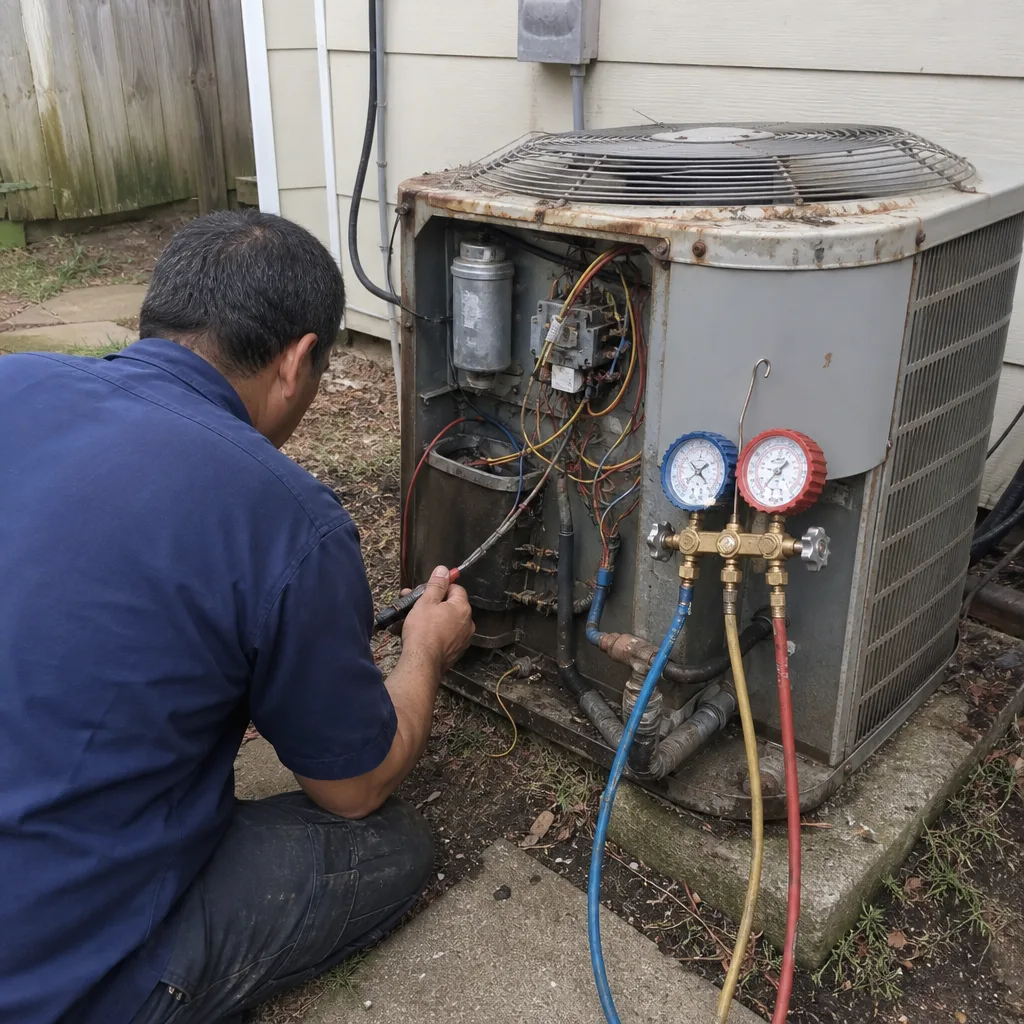 Before
 After
After