
Last updated October 16, 2026
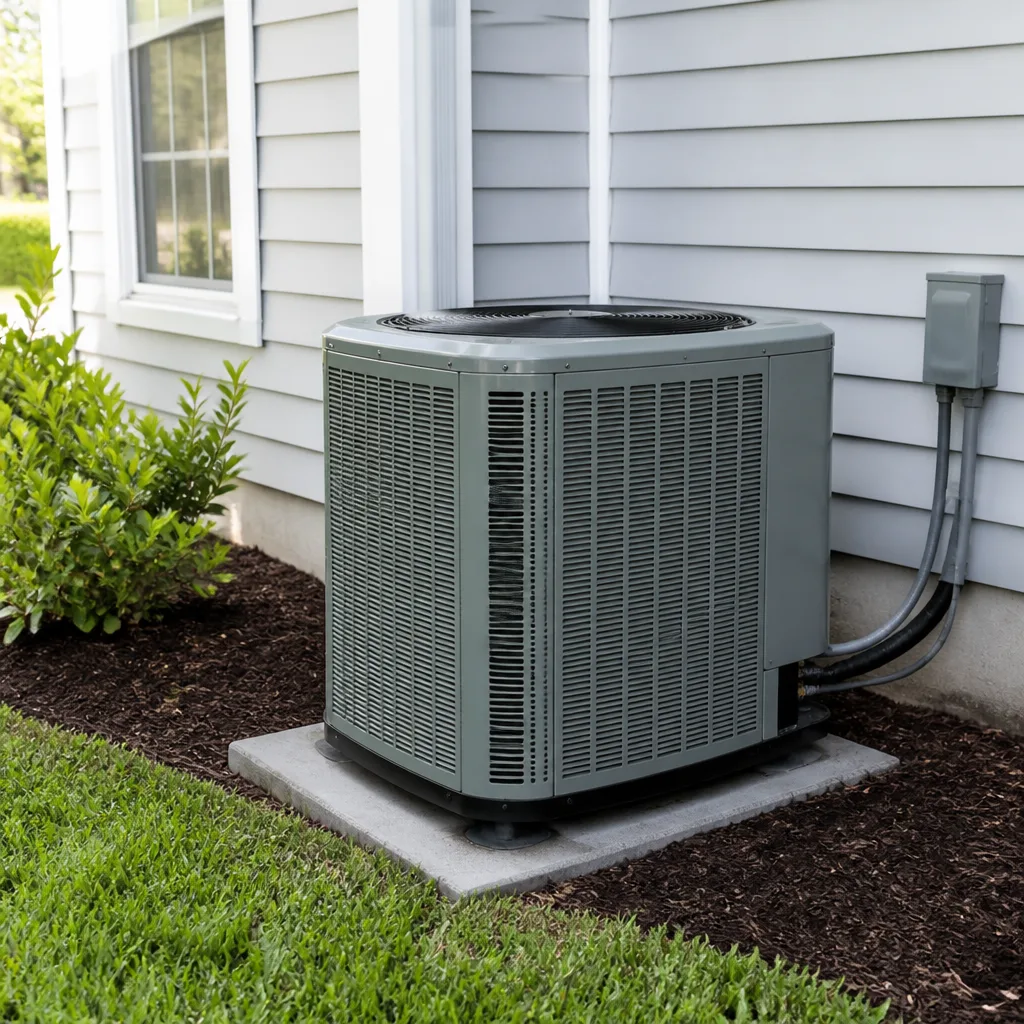 AC repair
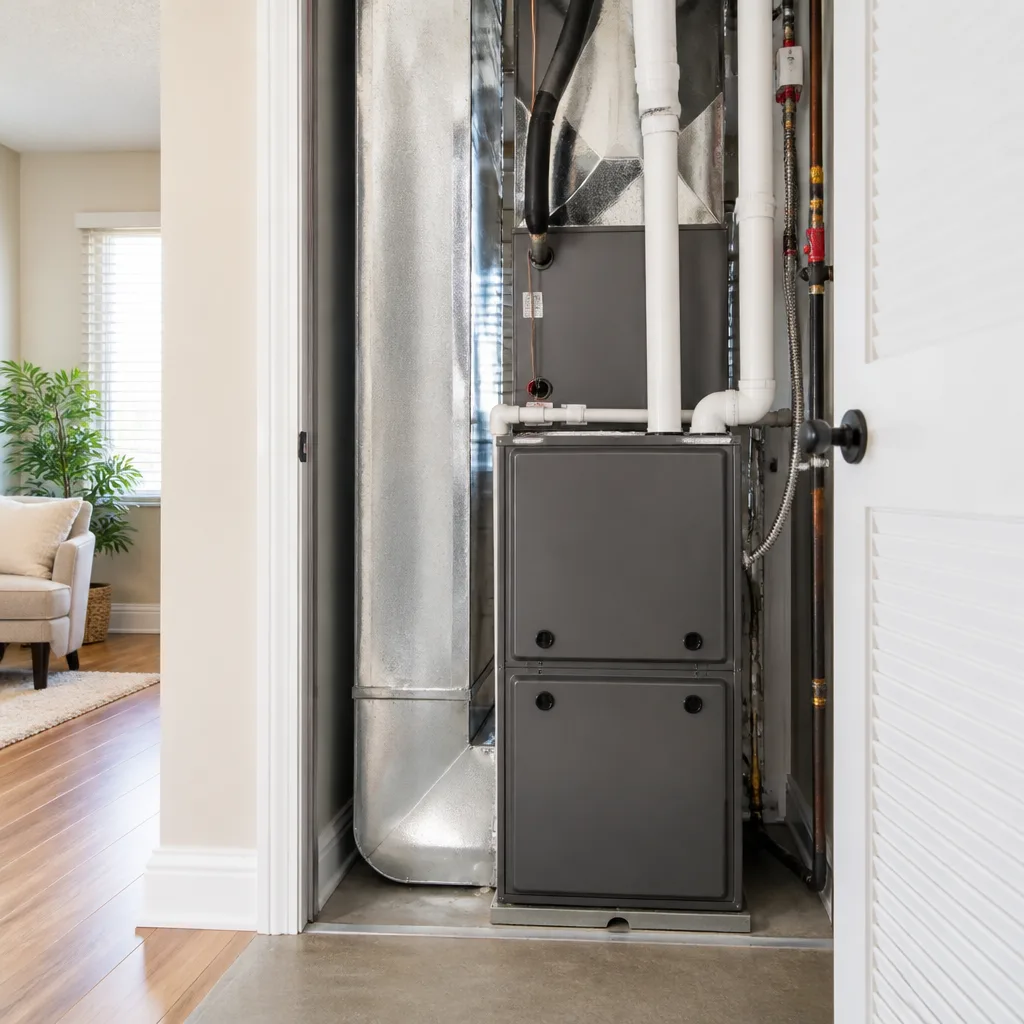 Furnace & heating
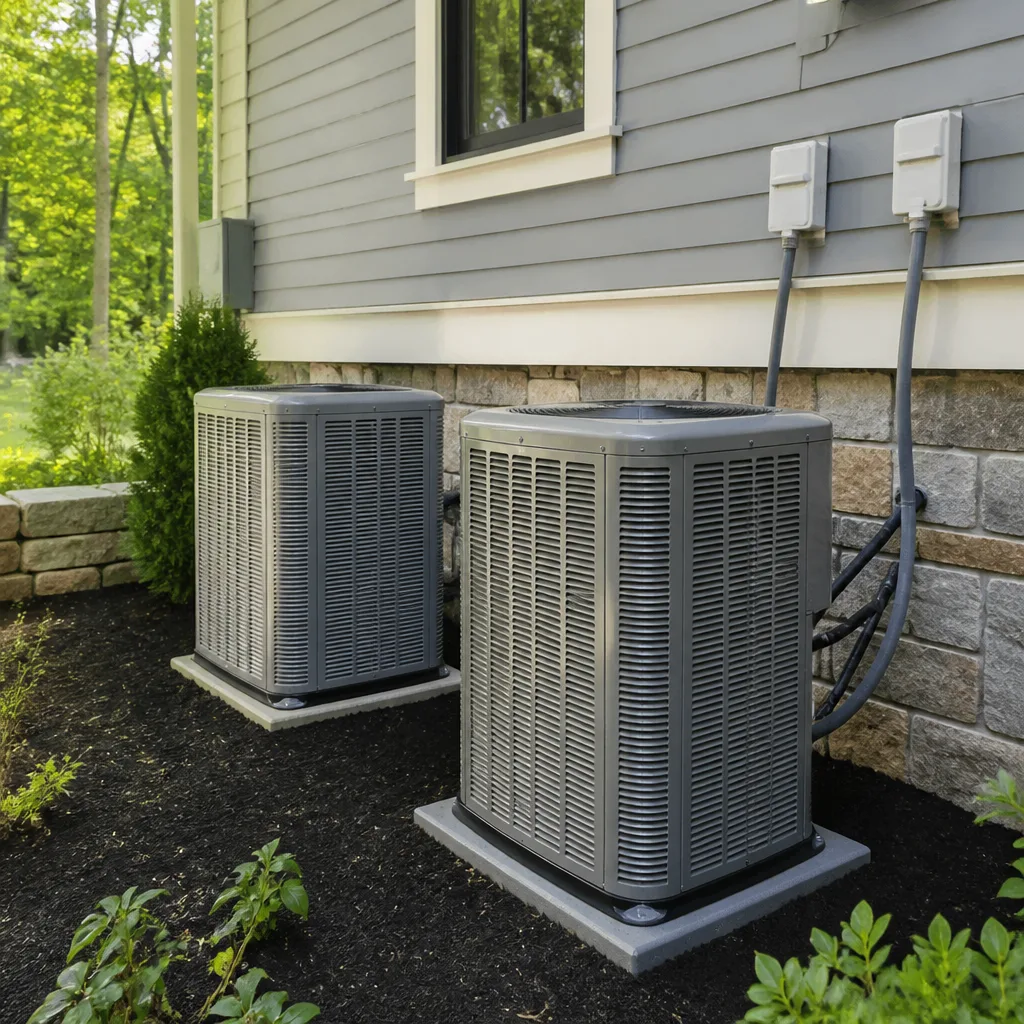 Heat pumps
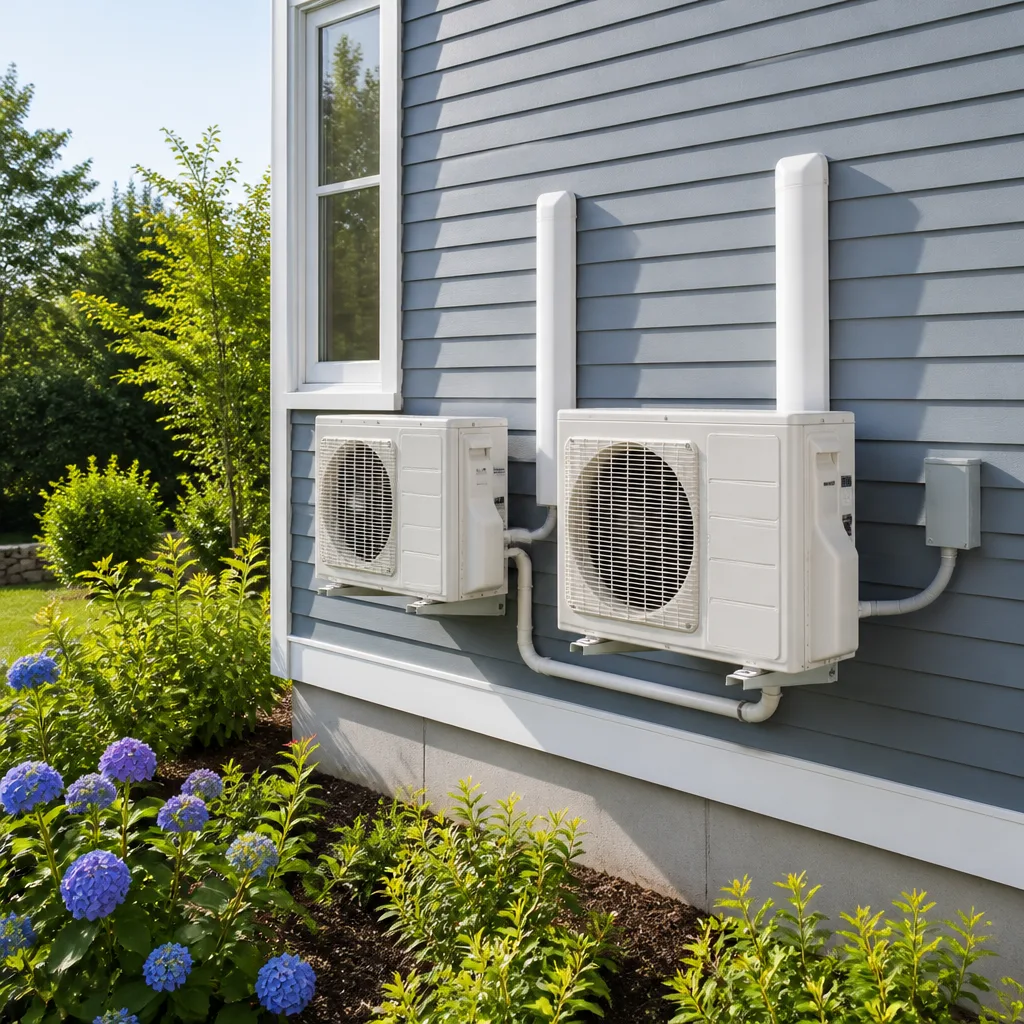 Ductless mini splits
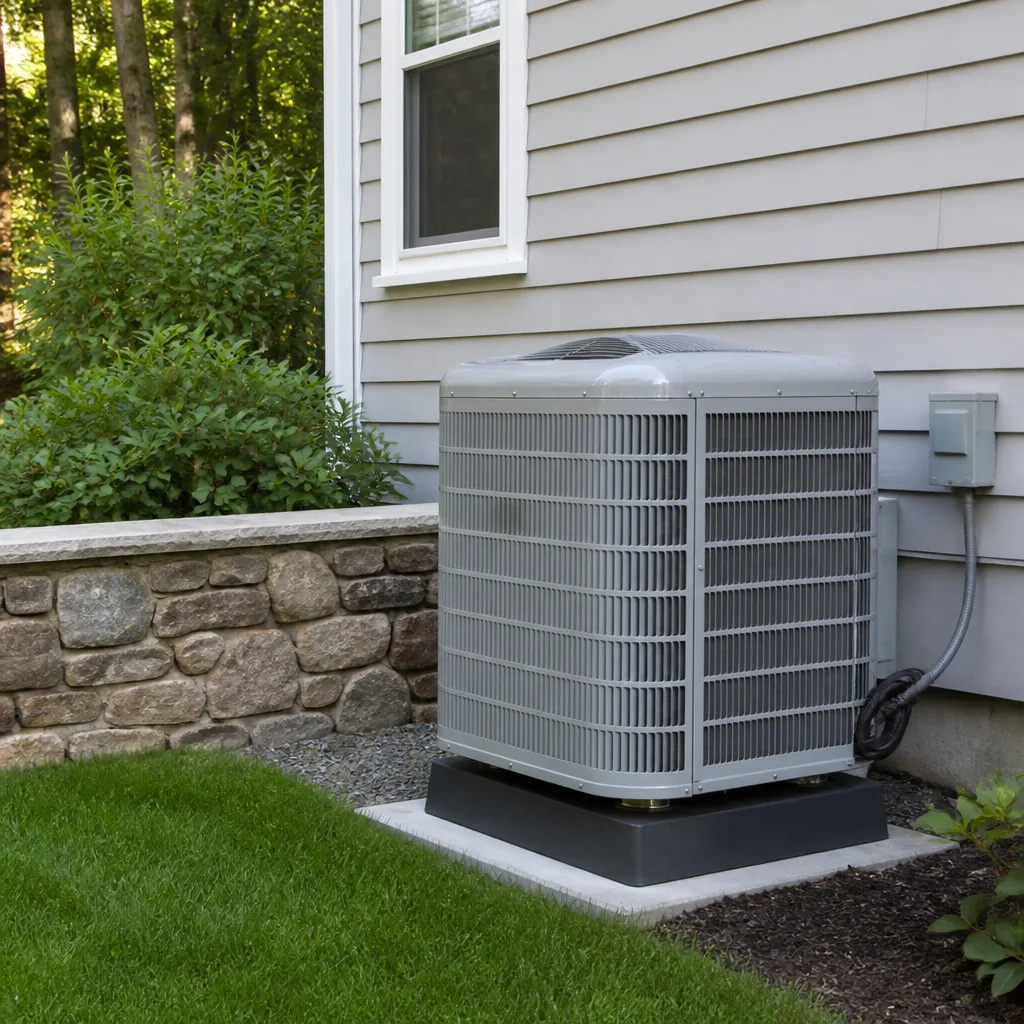 Carrier
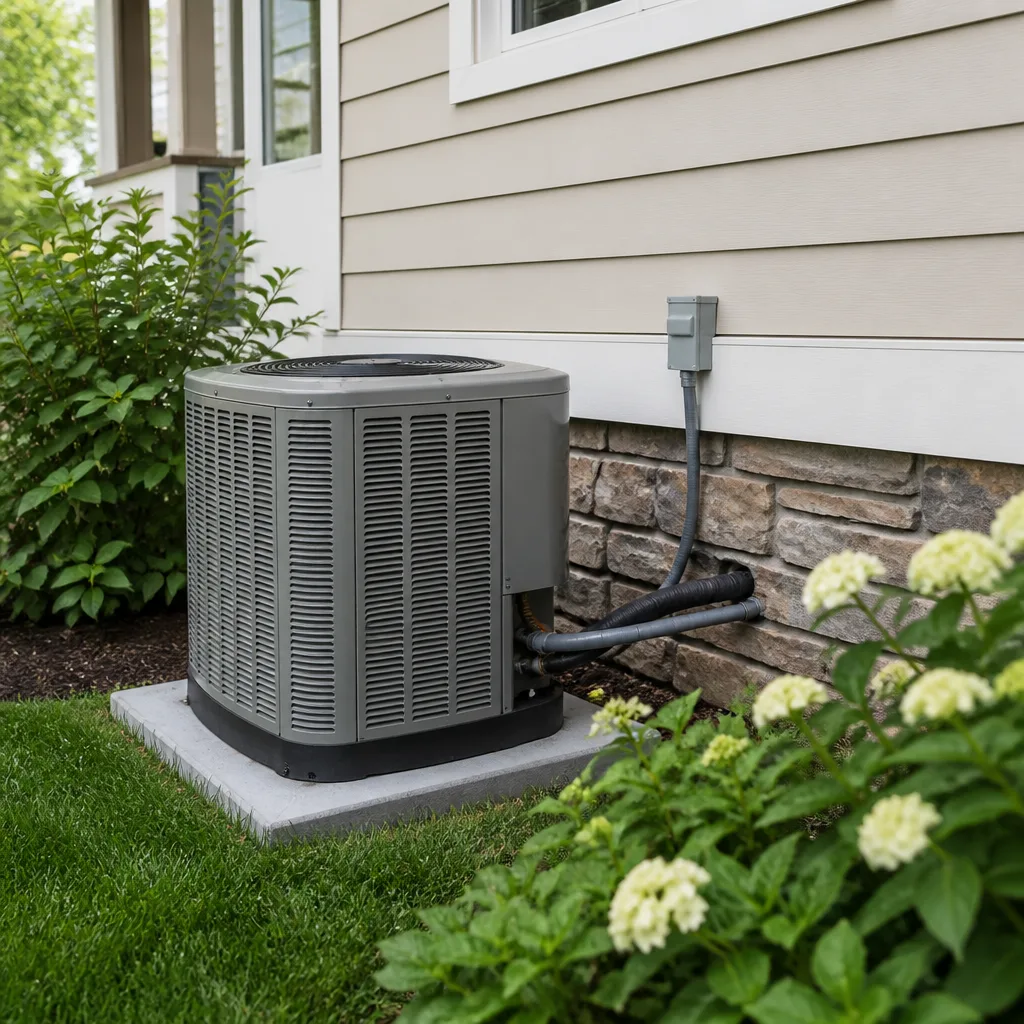 Trane
Trane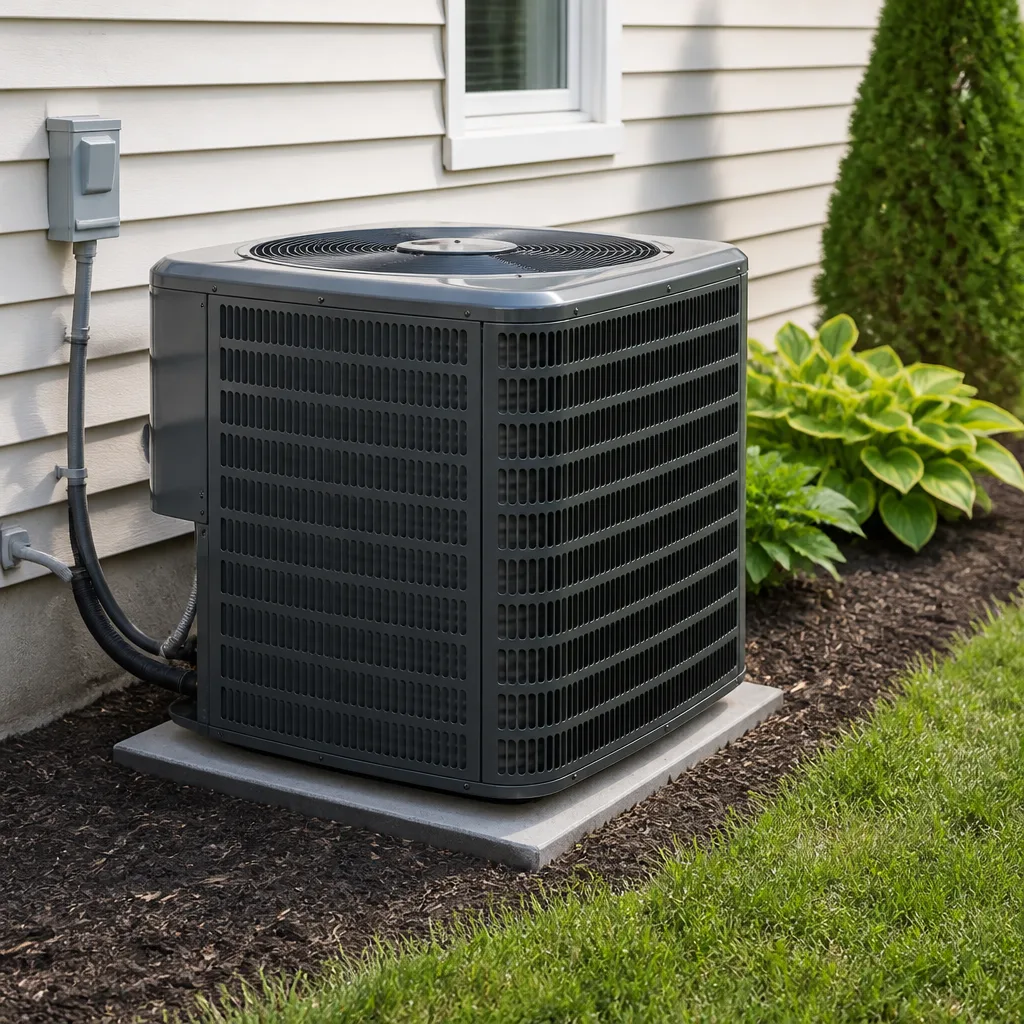 Goodman
Seasonal tune-up and full diagnostic on your Carrier, Trane, or Goodman system - readings shown to you before any repair is proposed
Diagnosis first, numbers second - you approve the repair price before a single part goes in.
Get your free estimateHVAC Permits, Codes & Inspections in TX: What You Need to Know
In 2023, a Houston homeowner selling their house had to escrow $8,400 at closing. The reason? An unpermitted AC replacement from 2019. The buyer’s inspector flagged it. The seller’s original HVAC contractor had pocketed the permit fee and never pulled one. By the time anyone found out, the cheap fix was gone. This guide explains exactly which HVAC jobs in Houston require a permit, what the inspector actually checks, and how unpermitted work comes back to bite homeowners years later. For related reading, see our HVAC Warning Signs: A Houston Homeowner’s Reference Guide. We’ll cover the code that governs Houston specifically, how it differs from surrounding cities like Pearland and Katy, and the contractor-versus-homeowner permit question that most people get wrong.
Quick Answer
In Houston, any HVAC work that involves replacing equipment, moving equipment, modifying ductwork, or altering electrical or gas connections requires a mechanical permit from the City of Houston. Simple like-for-like replacements of certain components, like a capacitor or a contactor, do not. A final inspection is required after permitted work, and that inspection tests more than most people expect: refrigerant charge, electrical clearances, and duct leakage are all on the table. Skipping the permit transfers liability directly to the homeowner at the moment of an insurance claim or a sale.
Styles & brands we work with
Table of Contents
- Which HVAC Jobs Require a Permit in Houston
- The Code Houston Actually Enforces
- What a Final Inspection Actually Tests
- How Unpermitted Work Affects Your Insurance
- Who Pulls the Permit: Contractor or Homeowner
- What Permits Cost and Who Pays
- Common Mistakes to Avoid
- When to Call a Professional
- Frequently Asked Questions
Which HVAC Jobs Require a Permit in Houston
The line between a permit job and a no-permit job in Houston is more specific than most contractors describe it. The City of Houston, which operates under its own adopted version of the International Mechanical Code, requires a mechanical permit for any installation, alteration, or replacement of HVAC equipment. That includes condensers, evaporator coils, furnaces, air handlers, and ductwork. A permit is also required when you relocate equipment or change the electrical or gas service that feeds it.
What does not require a permit in Houston is the kind of part replacement that does not change the system’s design or function. A failed start capacitor, a worn contactor, a blower motor swap on an existing furnace: these are repairs, not installations. There is no permit pull because there is no change to the approved system configuration. But the moment a technician unbolts a condenser from its pad and sets a new one, that is a replacement. The permit requirement is triggered.
Here is the breakdown in practical terms:
- Requires a permit: New AC or heat pump installation, furnace replacement, air handler replacement, ductwork modification, relocating a condenser, adding a new return, changing a gas line connection to a furnace.
- Does not require a permit: Capacitor replacement, contactor replacement, thermostat swap, refrigerant top-off, drain line clearing, blower motor replacement on an existing unit, filter changes.
The confusion usually comes from contractors who say “we don’t need a permit for a change-out.” That is true in some Texas municipalities with looser rules, but not in Houston. Houston Code Enforcement is specific: a like-for-like condenser change-out on the same pad with the same electrical disconnect still requires a mechanical permit because the unit itself was replaced. The definition of “replacement” covers the equipment, not just the configuration.
The Code Houston Actually Enforces
Houston is not a code-free zone, and it is not the Wild West of Texas HVAC. The city has adopted the International Mechanical Code with local amendments, and additionally enforces the International Residential Code for one- and two-family dwellings. That means a furnace install in a Houston house is judged against a written standard that covers combustion air, venting, clearances, and condensate drainage. When a technician tells you something “meets code,” they are referring to a verifiable document, not a feeling.
Here is where it gets genuinely useful for homeowners near city boundaries. Houston’s adopted code is stricter on duct leakage testing than several surrounding municipalities. Pearland and Katy, for example, follow versions of the same model codes but do not apply the same enforcement depth on every residential change-out. A contractor whose work passes in Katy may not pass a Houston final inspection. That matters if you live in a Houston ETJ (extraterritorial jurisdiction) area or you are pricing jobs from contractors on both sides of the boundary. A company that does most of its work in Pearland may not be practiced at passing Houston’s inspection routine.
What we’ve seen repeatedly is that Houston inspectors check three things with more rigor than neighboring cities: refrigerant charge verification at the condenser, the working space clearance in front of the electrical disconnect, and the measured duct leakage on new or substantially modified duct runs. Those are the items that fail. Not the pretty sheet metal work. Not the thermostat. Those three items.
The trade term for the refrigerant check is “superheat and subcooling verification.” What that means, plainly: the inspector wants evidence the refrigerant was weighed in correctly, not just dumped in until the air feels cold. A unit that is overcharged or undercharged will cool for a season and then eat the compressor. Houston’s code office knows this. The inspection targets it specifically because Houston’s cooling season runs six to seven months and a badly charged unit fails hard by August. Our Seasonal HVAC Care for Houston: Year-Round Homeowner’s Guide covers how to protect your system through peak summer demand.
What a Final Inspection Actually Tests
Most people imagine a final HVAC inspection as a walkthrough: a guy looks at the unit, nods, signs a paper. That image is ten years out of date. In Houston, a mechanical final inspection is a specific technical check, and it fails jobs every day.
Here is what a Houston inspector actually tests, in order:
- Electrical disconnect clearance. The working space in front of the disconnect must meet the adopted IRC requirement of 30 inches wide by 36 inches deep. A condenser jammed under a stair or against a fence fails. This is one of the most common failure points we see on Houston change-outs where the contractor reused the old pad location without checking clearance.
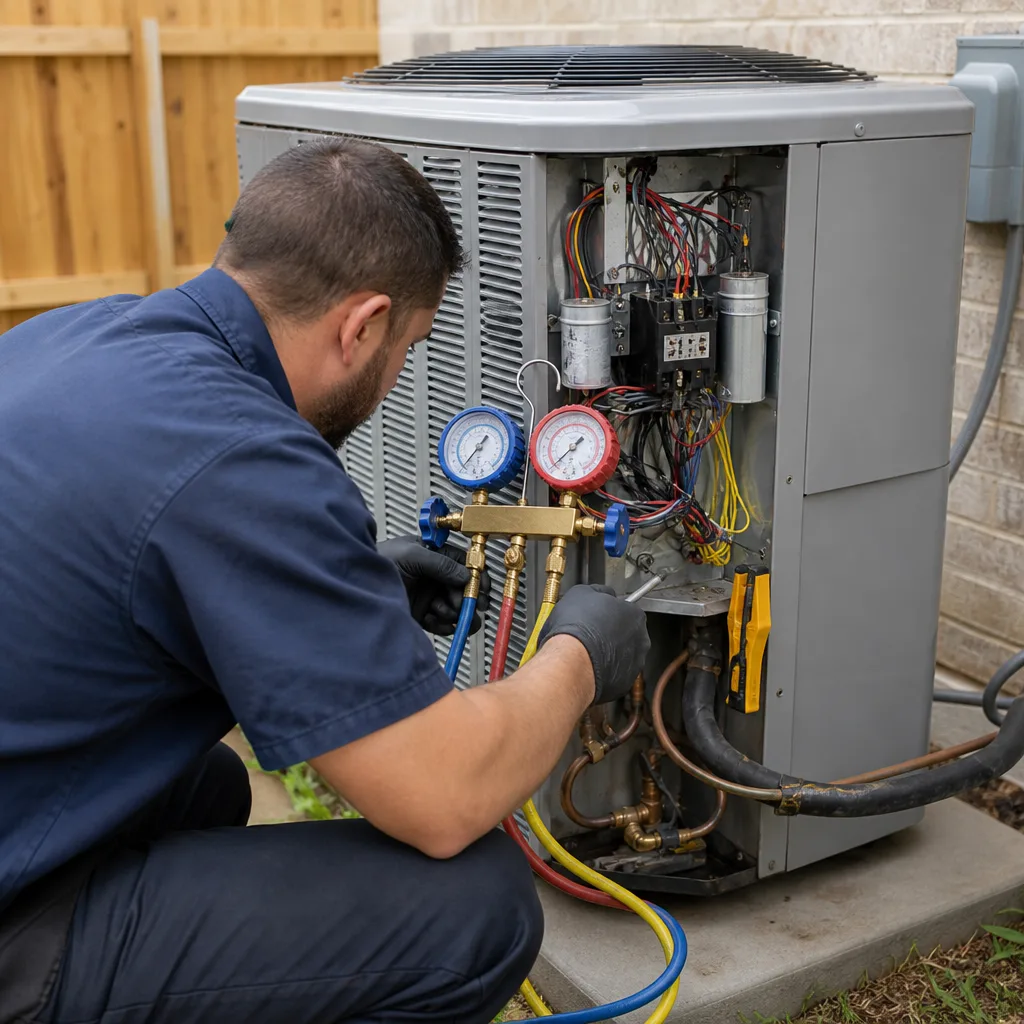
- Refrigerant charge verification. The inspector asks for the charging data. If the contractor logged pressures and line temperatures, it usually passes. If the contractor cannot produce the readings, the job is red-tagged until verification is done. Houston inspectors are trained to look for this on every condenser replacement.
- Duct leakage. On jobs that include new ductwork or a return modification, Houston enforces a leakage threshold. The number varies by job scope, but the principle is simple: a duct system that leaks 25% of its airflow into the attic is a failed system. A duct blaster test proves it one way or the other.
- Condensate drain termination. The primary and secondary drain lines must terminate in approved locations. A drain that dumps water next to the foundation walks, and it creates a slab issue over time. Houston inspectors check termination on every install.
- Gas line and venting (furnaces). If a gas furnace is involved, the inspector checks the gas shutoff within six feet of the appliance, the sediment trap on the gas line, and the vent sizing. A furnace vent that terminates under a soffit instead of through the roof line fails immediately.
None of this is theater. Each item prevents a specific failure mode that shows up later as a dead compressor, a moldy ceiling, or carbon monoxide in the house. When a contractor skips the permit, they skip the inspection, and they skip the verification that catches mistakes before the warranty is the only thing left.
How Unpermitted Work Affects Your Insurance
The $8,400 escrow example from the opening is not a one-off. It is a pattern that Texas title companies see routinely now. Buyers are running unpermitted permit searches through the city’s online system before closing, and sellers discover years later that a contractor they trusted never pulled the paperwork. The escrow account is how title companies bridge the gap: the seller sets aside money to cover possible remediation, and the buyer closes with the risk priced in. The seller loses either way.
Insurance is the other side of the same problem. Texas insurers have changed what they ask for during policy renewals. More carriers are asking about the age of the HVAC system, and a growing number request evidence that the system was installed by a licensed contractor. If you file a claim for water damage from a failed AC pan, and the adjuster discovers the system was replaced without a permit, the claim can be denied. The insurer’s position is that unpermitted work is an undisclosed alteration of the covered property, and that argument holds up in Texas courts more often than homeowners expect.
It is worth being direct about the financial stakes. A permitted AC replacement in Houston costs roughly $150 to $300 in permit fees, depending on the equipment and the trade. An unpermitted replacement that comes back as an escrow demand at sale costs thousands, and the fix is not simple because the system has been running for years. The permit is not the IRS of HVAC. It is a cheap insurance policy against a much larger cost later.
Who Pulls the Permit: Contractor or Homeowner
In Houston, either the contractor or the homeowner can pull a mechanical permit. The law does not require the contractor to do it. That is the fact most homeowners do not know until they sign a contract that says “owner to obtain permits” and realize later what that clause means.
Here is the practical reality of why the homeowner-pull creates problems. When a contractor pulls the permit, the contractor’s name is on the file. The contractor is responsible for scheduling the inspection, meeting the inspector on site, and correcting whatever fails. When the homeowner pulls the permit, the homeowner is the responsible party of record. If the inspector shows up and cannot access the job, or the work fails, the homeowner is the one who has to deal with the correction order. Most homeowners do not know how to respond to a correction letter, and they do not know what subcooling verification means. That is not a knock on the homeowner. It is an acknowledgment that inspection management is part of the trade.
A second problem: some contractors prefer the homeowner pull the permit because it shifts warranty risk. If the job fails inspection for a clearance issue, the correction is the homeowner’s problem to manage, not the contractor’s. That is not illegal. But it tells you something about the contractor’s approach. A company that stands behind its work pulls its own permits and puts its own name on the file. The Garrison Standard, which our company operates under, requires exactly that: the installing company pulls the mechanical permit, schedules the inspection, and stands on site until the job passes. There is no version of our process where the homeowner manages the city’s inspection queue.
What Permits Cost and Who Pays
Houston mechanical permit fees for residential HVAC work typically run $150 to $300 for a standard change-out or new system installation. Larger jobs with ductwork modification or commercial scope run higher. The fee schedule is published by the Houston Permitting Center, and the numbers have been stable in that range for several years. For a full system replacement, the permit is a line item on your written estimate, not a surprise at the end. If a contractor will not show you the permit fee as a written line item, that is a signal that the permit may not have been pulled at all.
Who pays: the homeowner pays the permit fee as part of the job cost. The contractor handles the transaction. That is the standard arrangement, and it is the arrangement that protects the homeowner’s interest. When the contractor’s name is on the permit application, the contractor owns the inspection outcome. When the contractor’s name is on the permit and the job fails, the contractor fixes it. That is the entire point.
For reference, here is how the cost picture looks on a typical Houston AC replacement:
- Equipment and labor: $6,500 to $12,000 depending on brand and efficiency (Bryant, American Standard, Carrier, and Trane are the major names we install and service in Houston, along with several others)
- Mechanical permit: $150 to $300
- Optional duct leakage test: $150 to $300 if not required by permit scope
- Final inspection: included with the permit fee
The permit is less than 4% of the job cost on the low end and protects against a failure mode that costs multiple times the whole job. That math does not change with the brand of equipment. It does not change with the size of the house. It has been true in Houston for years, and it is getting more true as title companies and insurers tighten their paperwork standards.
Common Mistakes to Avoid
- Believing “we don’t need a permit for a change-out.” In Houston, a condenser replacement is a permit job. Period. A contractor who says otherwise either does not know the city’s requirements or does not want to wait for an inspection. Either one is a problem.
- Paying cash with no written permit line item. If the estimate does not say “City of Houston mechanical permit: $X,” then you have no evidence a permit was ever pulled. The cash discount is never worth the insurance exposure later.
- Letting the homeowner-pull clause slide. If the contract says “owner responsible for permits,” you are taking on the inspection management role without knowing what the job requires. Ask the contractor to change the line. If they refuse, that tells you what their process looks like.
- Skipping the final inspection after a permitted job. The permit is not closed until the final inspection passes. A permit that is pulled but never signed off is nearly as bad as no permit at all. Title searches flag open permits too.
- Assuming a Pearland or Katy contractor knows Houston code. The code is the same model document, but Houston enforces refrigerant charge verification and duct leakage more actively. A contractor who mostly works outside Houston may not be prepared for a Houston inspection. Ask specifically whether they pull permits in Houston and how many Houston finals they passed in the last year.
- Reusing a pad location without checking clearances. The condenser may have sat there for twenty years, but if a fence or a deck was built after the original install, the working-space clearance may no longer meet code. A permitted job catches that before the inspector fails it. An unpermitted job never checks it at all.
When to Call a Professional
Any job that changes the physical configuration of your HVAC system falls under Houston permitting, and any permitting question is best handled by a contractor who does this every week, not by a homeowner reading a code summary online. Specific situations that warrant a call: you bought a house and cannot find the permit for the AC condenser installed three years ago; you are planning a system replacement and want the permit pulled in the contractor’s name; you need a second opinion on an unpermitted install that a buyer’s inspection flagged; or you are at the edge of the city where code enforcement differs from a neighboring municipality. Dalton Heating & Air Houston offers free estimates in Houston. Call (903) 494-7686 and we’ll tell you exactly what your job needs, where the permit falls in the scope, and what the inspection will look for. We’ve handled Houston permitting since 2003, and we pull every permit in our own name.
Frequently Asked Questions
Yes. A condenser replacement, furnace replacement, air handler replacement, or any equipment change-out requires a City of Houston mechanical permit. Simple part repairs like a capacitor or contactor do not. If you’re unsure whether your job is a repair or a replacement, AC Repair in Houston work typically does not need a permit, while full system replacements always do. Call (903) 494-7686 and we’ll tell you which category yours falls into.
Title companies and buyers’ inspectors increasingly flag unpermitted mechanical work during due diligence. The most common outcome is an escrow holdback at closing, where the seller sets aside money to cover possible remediation. In Houston, escrow amounts for unpermitted HVAC work have run from a few thousand dollars to over eight thousand, depending on the scope and the buyer’s leverage. The fix is cheap before the sale and expensive after it is discovered.
Yes, Houston allows homeowners to pull mechanical permits for their own property. But the homeowner assumes responsibility for scheduling the inspection and responding to any failed inspection items, which requires technical knowledge most people do not have. A contractor who pulls the permit owns the inspection outcome. That is the arrangement to insist on.
Residential mechanical permits in Houston typically run $150 to $300 for a standard change-out or new installation. The fee is a line item on your written estimate when a contractor pulls the permit correctly. If the estimate has no permit line item, ask for one in writing.
Not reliably. Texas insurers increasingly ask about HVAC installation history during policy renewals, and a claim that traces back to unpermitted work can be denied as an undisclosed property alteration. The permit is the documentation that keeps your insurance claim intact.
Yes. A heat pump is a mechanical system governed by the same Houston permitting path as a traditional condenser and air handler. The permit scope covers the equipment, the electrical connection, and any duct modification. Heat Pump Installation in Houston follows the same mechanical permit process as an AC replacement, and the inspection checks the same items: clearances, refrigerant charge, and condensate drainage.
The inspector checks electrical disconnect clearances, refrigerant charge verification, duct leakage on new or modified duct runs, condensate drain termination, and gas line and venting on furnaces. It is a technical verification, not a visual walkthrough. Houston inspectors fail jobs on clearance issues and missing charge data regularly.
Yes. A Furnace Repair in Houston that only replaces a component may not need a gas inspection, but a full furnace replacement does. The mechanical permit covers the gas connection, shutoff location, sediment trap, and vent routing. The inspector verifies each of these before closing the permit.
The Bottom Line
In Houston, an HVAC permit is not a formality. It is the documentation that protects a homeowner from an insurance claim denial, a title company escrow, and a failed inspection that catches a bad install years before the compressor dies. The permit costs less than the service call. The inspection tests specific failure points that Houston’s climate punishes hard. And the contractor who pulls the permit in their own name is the contractor who stands behind the work. Those things have been true since before we opened in 2003, and they are more true now than ever. Browse more guides & resources from our team. Insist on the written permit line item. Insist on the final inspection. If your contractor will not do both, find a different contractor.
Written by Marco Benitez, Owner at Dalton Heating & Air Houston, serving Houston since 2003.
See the difference
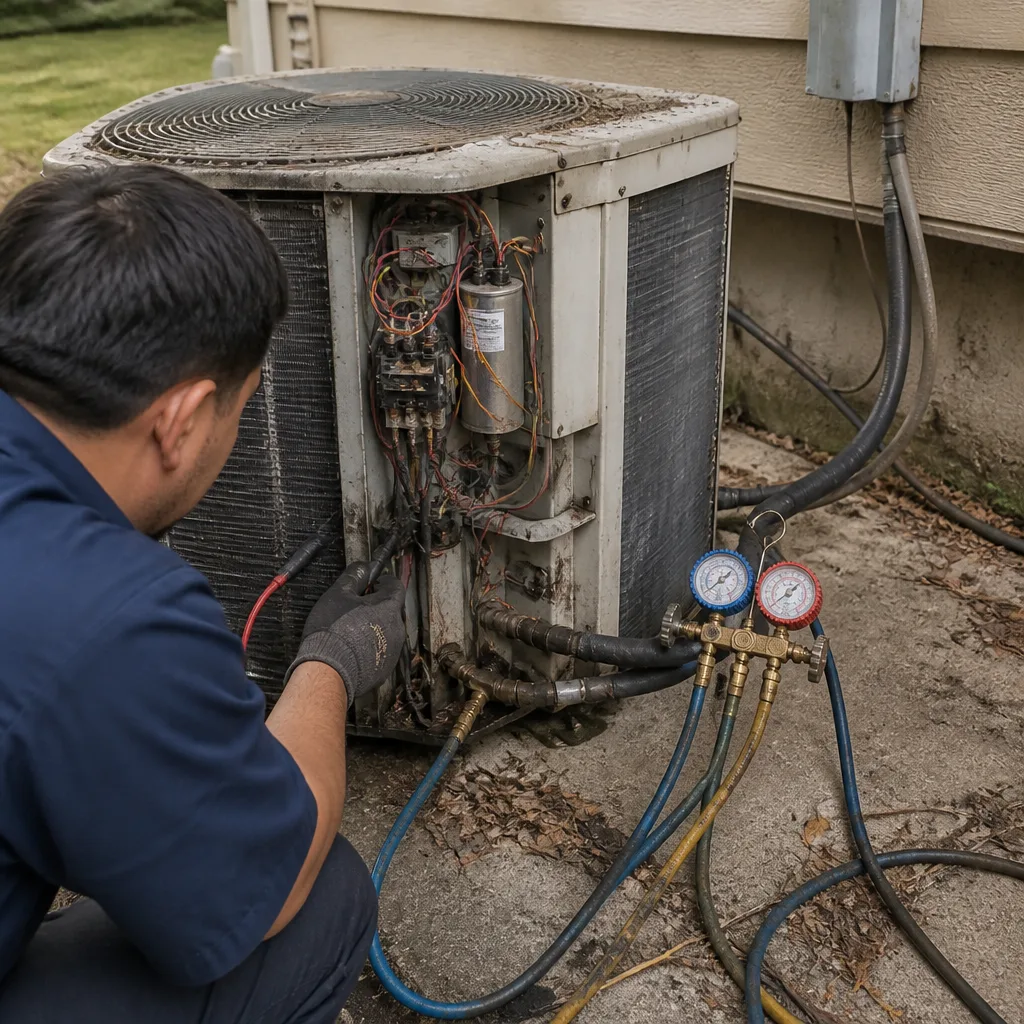 Before
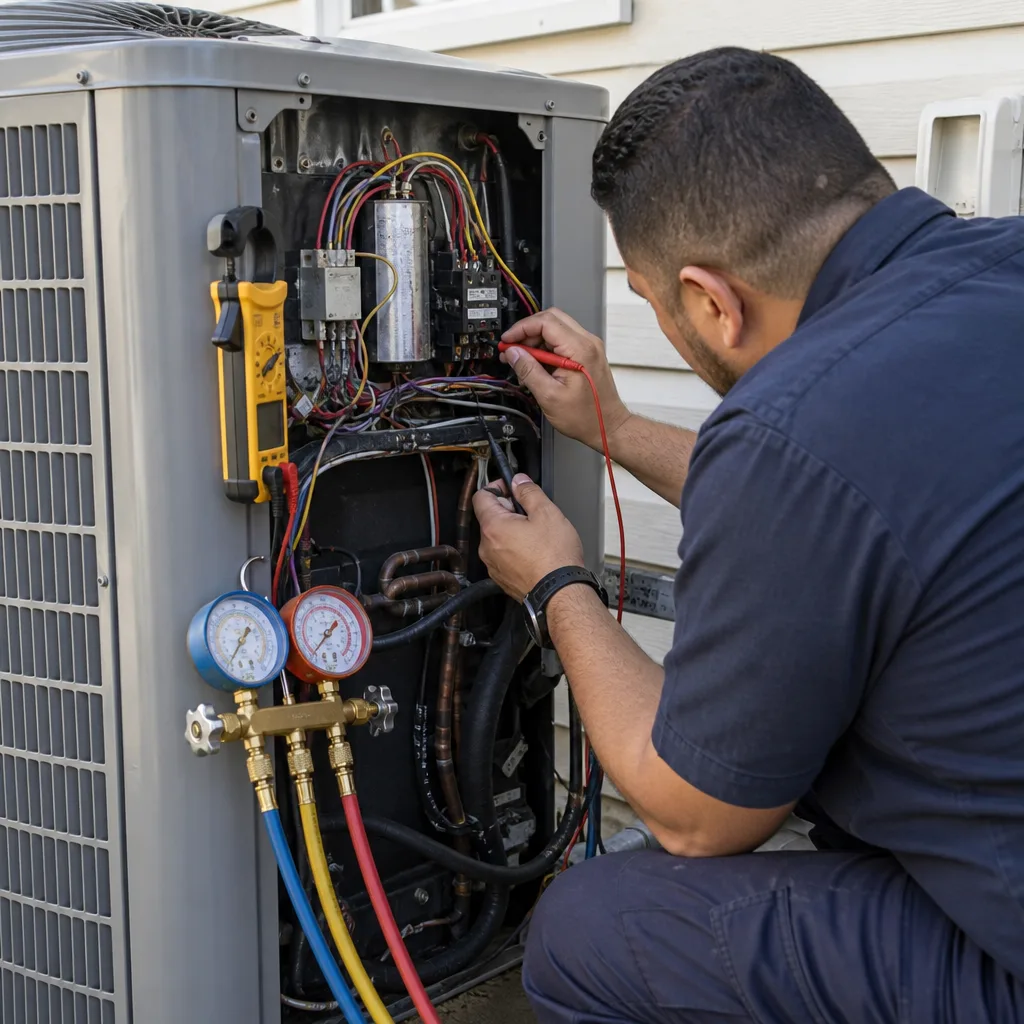 After
After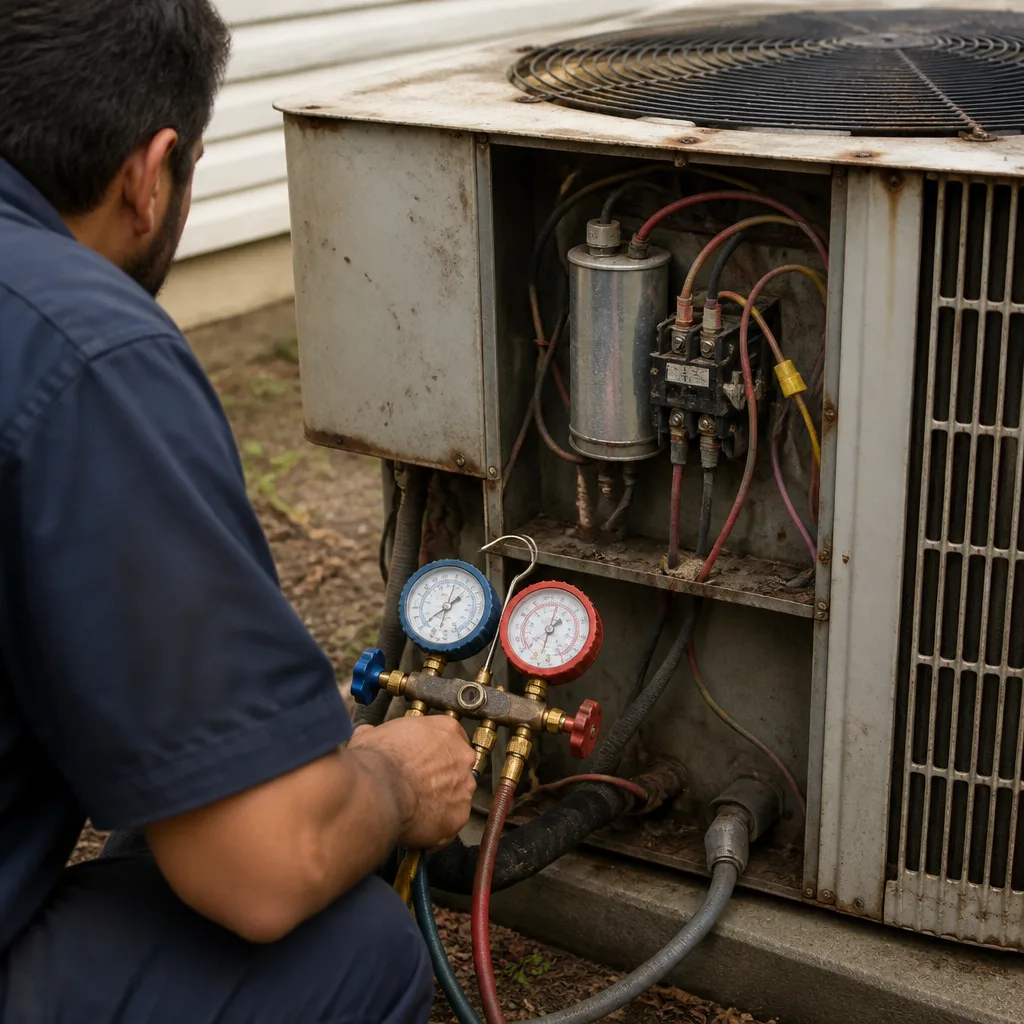 Before
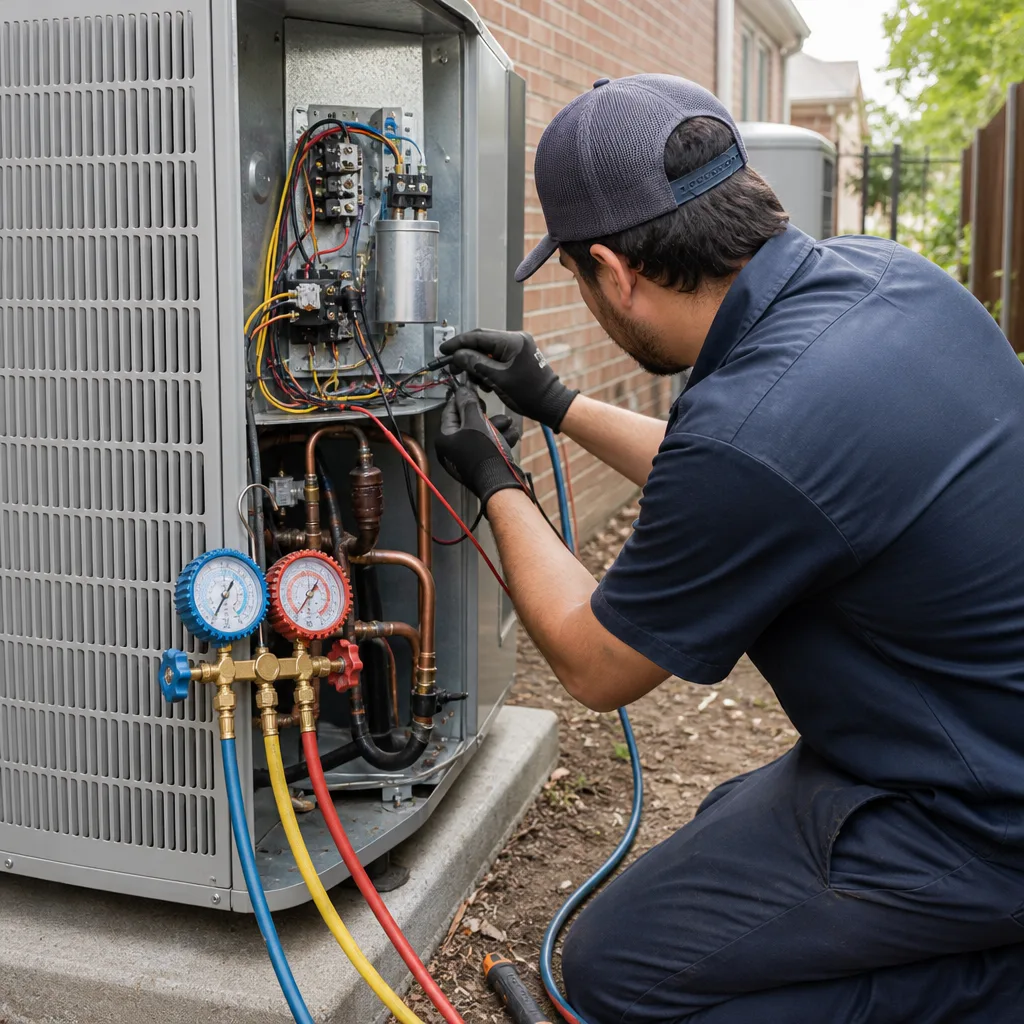 After
After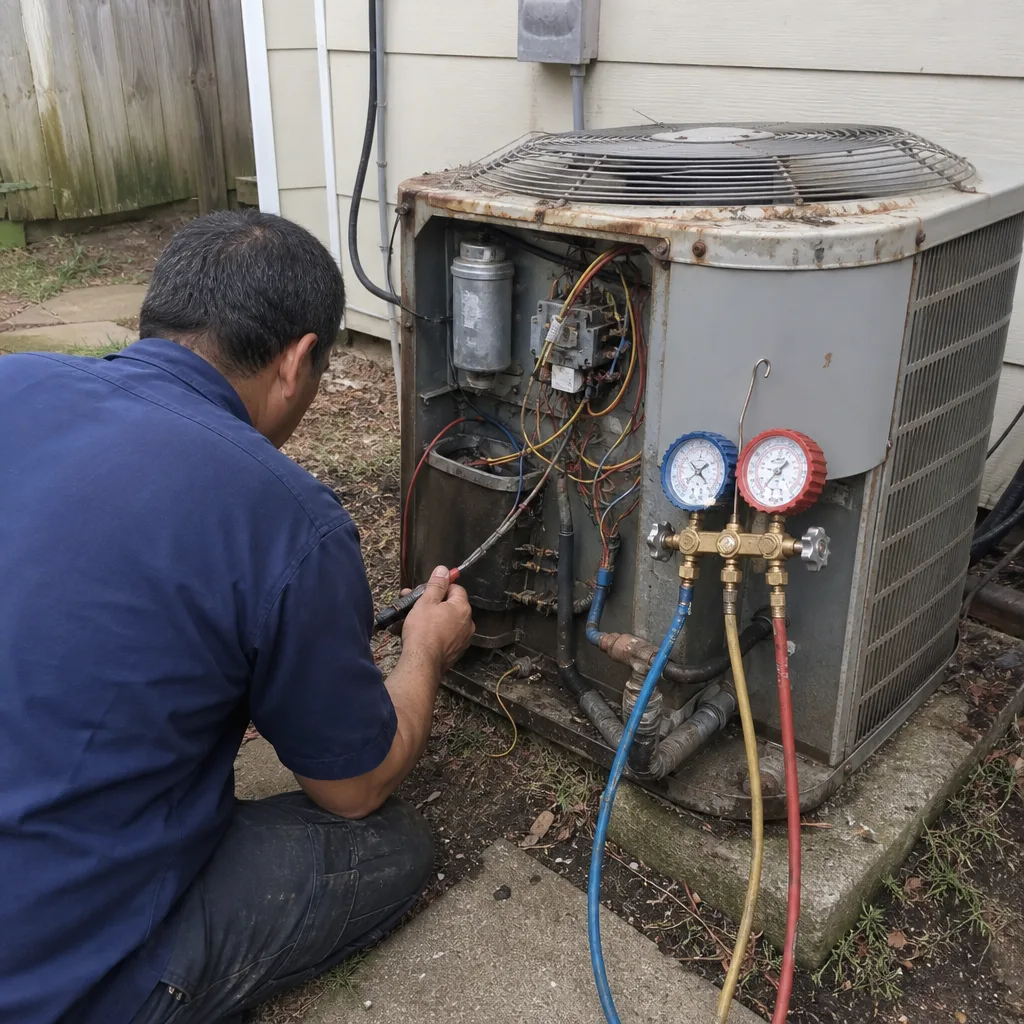 Before
 After
After